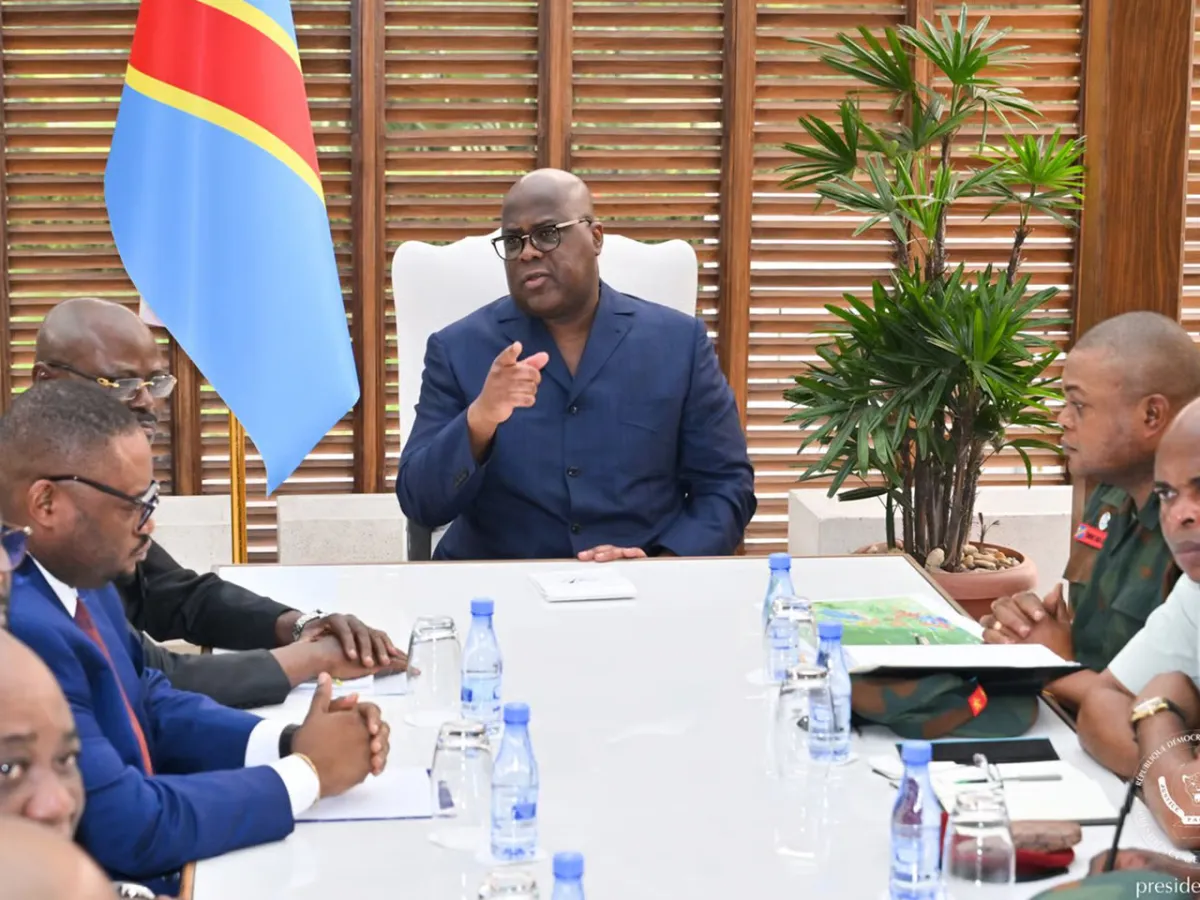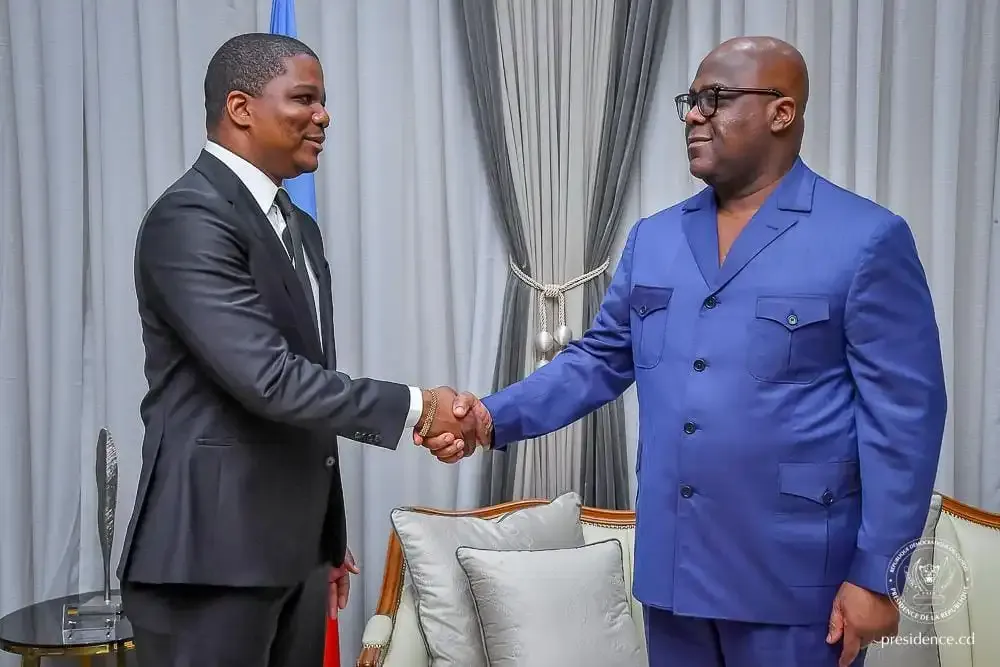
There is a specific meaning to a president of the DRC personally directing a regulatory institution's new chief. It is not a courtesy meeting. In Congolese governance culture, when the head of state "fixe le cap" — sets the course — for a newly appointed official, it means that the institutional reform in question carries presidential ownership: the priorities are the president's priorities, the outcomes are the president's accountability, and the political protection for enforcement actions that produce resistance from powerful commercial interests is at its highest possible level.
Ted Beleshayi Kasanda received that direction from Félix Tshisekedi. The new ARSP Director General — whose appointment by presidential decree on June 3, 2026 already signalled executive-level engagement — is implementing a mandate whose origins reach the highest office in the DRC government.
That matters for a specific reason that the mining sector needs to understand clearly. The ARSP's enforcement escalation in 2026 — the reagents extension, the Lualaba dematerialised attestations, the enforcement against major operators — has been building institutional momentum. That momentum has a political anchor. When Beleshayi Kasanda's enforcement actions meet resistance, as they will at scale, the institutional backing behind him is not ministerial: it is presidential.
The DRC's subcontracting law has been in force since 2017. The ARSP has existed since 2018. For most of that period, the gap between the law's text and its operational enforcement was wide enough to drive a fleet of non-compliant service vehicles through. What 2026 has changed is not the law — it is the institutional architecture behind its enforcement, built layer by layer: a new DG with financial forensics capability, a digital attestation system that closes the verification gap, a reagents extension that reaches the chemical backbone of copper-cobalt processing, and now the clearest possible signal that the reform has presidential ownership.
For every mining company in the DRC that has been managing subcontracting compliance as a regulatory risk to be mitigated through relationship management — this is the moment to reassess that calculus.