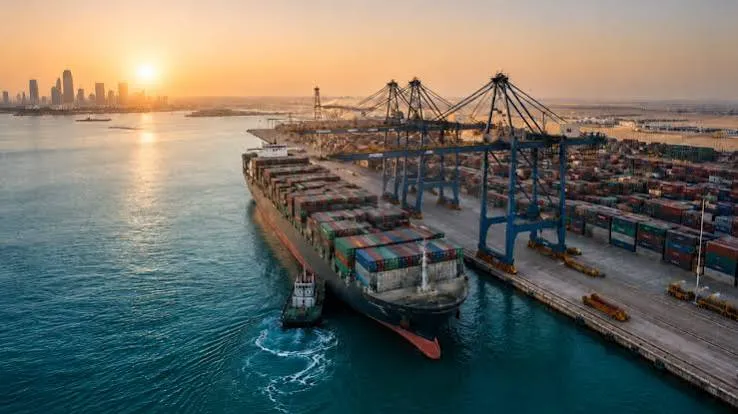
Saudi Arabia’s attempt to expand mining and manufacturing is creating demand for an industrial capability that receives less attention than exploration licences: the controlled movement and storage of materials.
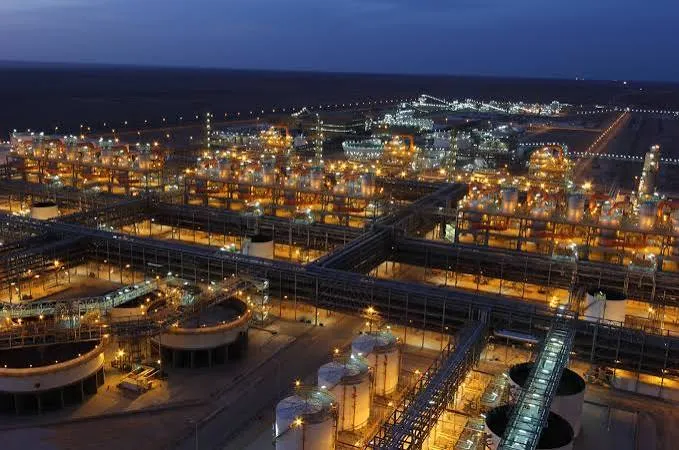
ASMO, the supply-chain joint venture between Aramco and DHL Supply Chain, began construction in May 2026 on a 1.4 million m² logistics facility at King Salman Energy Park, or SPARK, near Dammam. Arcapita is funding and will retain ownership of the development, while ASMO will develop, lease and operate it under a 22-year occupational lease.
The planned complex includes a 43,000 m² temperature-controlled warehouse, 5,300 m² of chemical storage, more than 3,000 m² of offices and staff facilities, and a 1.2 million m² open storage yard.
These components reveal the project’s industrial purpose. Mines, processing plants and energy projects do not only require large machines. They consume reagents, lubricants, electrical equipment, replacement components and materials whose storage conditions and delivery timing directly affect production.
Centralised logistics can reduce fragmented inventories and allow several customers to draw from shared capacity. Chemical storage is especially important because hazardous materials require segregation, documentation and controlled handling. Open yards provide space for oversized equipment and project cargo that conventional warehouses cannot accommodate.
The commercial question is whether centralisation produces shorter lead times or merely creates another handover point. Its value will depend on inventory visibility, customs processes, transport connections and service-level commitments to customers.
For Saudi Arabia, the hub supports a broader strategy of clustering industrial activity around infrastructure. SPARK is positioned near the Eastern Province’s energy and transport networks. Locating suppliers, storage and services in the same ecosystem can reduce mobilisation risk for large projects.
The African comparison is instructive. In the DRC and wider Copperbelt, mining companies frequently maintain high inventories because border delays and long international supply routes make stockouts expensive. A regional hub can reduce this exposure only when customs, roads, digital tracking and last-mile delivery work together.
The ASMO project therefore represents more than warehouse construction. It is an attempt to treat logistics as productive infrastructure. The test will be whether it lowers the time and working capital required to keep industrial operations supplied.
The financing structure also deserves attention. Arcapita will fund and own the property while ASMO develops, leases and operates it under a 22-year occupational lease. This allows a specialist operator to control the logistics service without tying up the same amount of capital in land and buildings.
For customers, the benefit must appear in measurable service performance. A central facility should reduce emergency freight, duplicate stock and the time between ordering and delivery. If materials still encounter slow customs procedures or unreliable last-mile transport, centralisation may simply move the bottleneck.
Mining jurisdictions considering similar hubs should begin with actual demand: commodity flows, equipment populations, reagent consumption and recurring stockouts. The building should follow the supply-chain design, rather than becoming an industrial property searching for customers.
For procurement teams, a further measure will be the proportion of routine and emergency orders fulfilled from the hub rather than from overseas stock. That evidence would show whether the facility is changing supply performance instead of adding storage capacity alone.