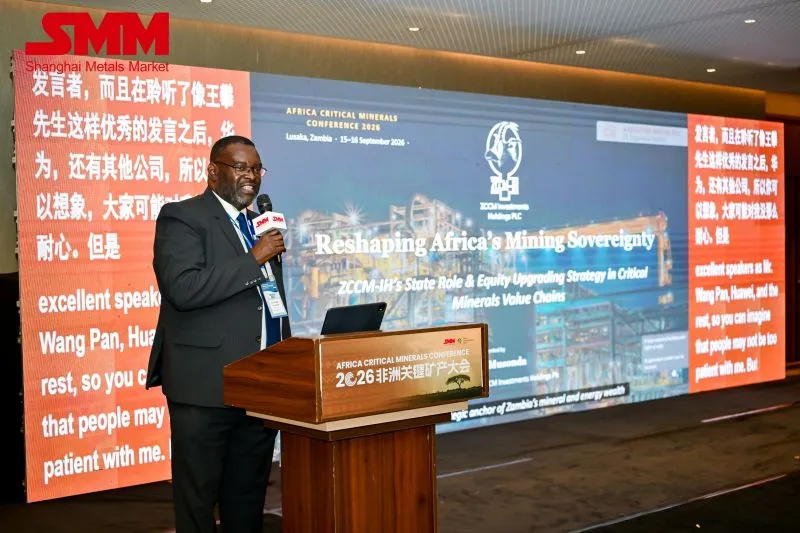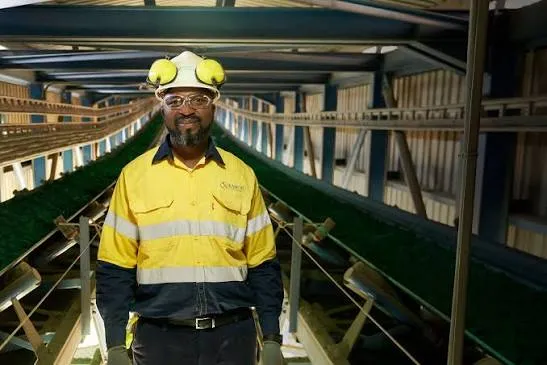
Glencore’s latest management changes in the Democratic Republic of Congo move Congolese executives closer to the operational and financial decisions governing two of the country’s largest copper and cobalt businesses.
The group has appointed Yannick Makola as Managing Director of Kamoto Copper Company and Yves Ilunga as Vice-President Finance of Glencore DRC. Marie-Chantal Kaninda will remain President of Glencore DRC and Chair of KCC’s board.
The appointments create a Congolese leadership structure extending from Glencore’s country-level stakeholder relations to the management of KCC’s operations and the financial oversight of its wider DRC business.
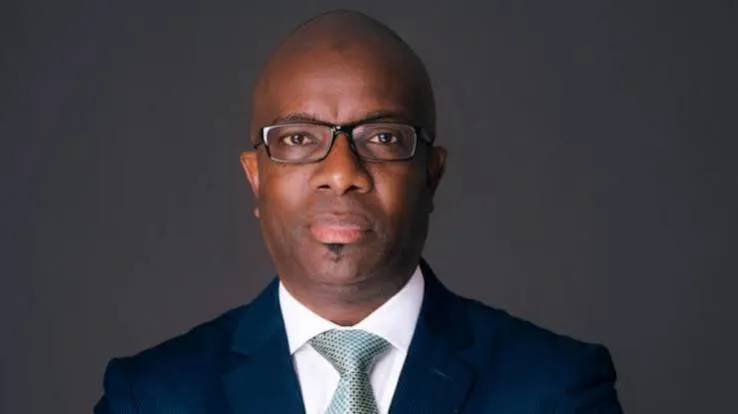
Makola previously served as KCC’s Chief Operating Officer after joining the company in 2020 as General Manager for Processing. His promotion makes him the first Congolese national to lead KCC since its establishment, according to the company.
Ilunga brings experience across several parts of Glencore’s Congolese portfolio. He has served as Managing Director of Mutanda Mining, Vice-President for Business Development at Glencore DRC and, most recently, Chief Financial Officer of KCC.
Riaan Vermeulen, the outgoing KCC Managing Director, has been promoted to Director of Operations for Africa, with responsibility for KCC and Mutanda. Mark Davis, previously head of Glencore Copper Africa, will move to the group’s nickel and zinc division.
Localisation beyond workforce participation
The significance of the reshuffle extends beyond executive representation. Mining localisation in the DRC has often been measured through employment numbers, subcontracting expenditure and Congolese ownership of service companies. Less attention has been paid to who controls mine planning, capital allocation, procurement strategy and financial management.
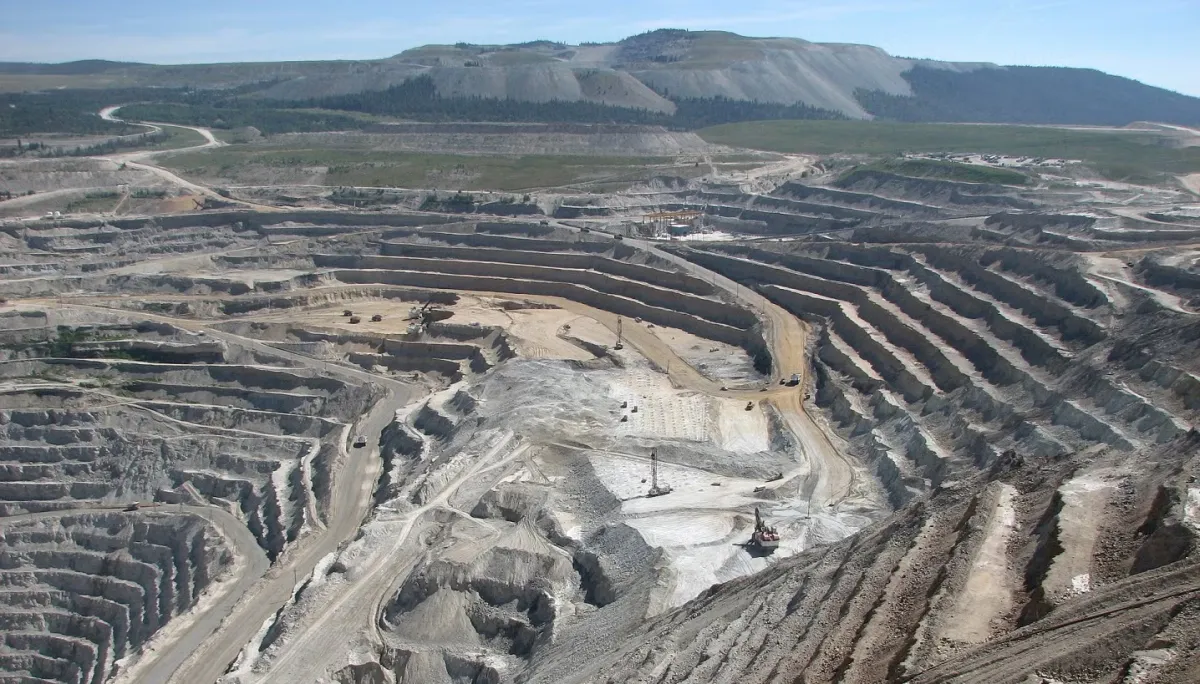
Glencore says it employs approximately 18,000 people through its DRC activities, the majority of them Congolese. Its two operations—KCC and Mutanda—form a substantial part of the industrial economy around Kolwezi and remain important sources of copper cathode and cobalt hydroxide.
Moving Congolese executives into operational and financial leadership could strengthen institutional knowledge and give local management a larger role in decisions affecting production, suppliers, employees and relations with the state.
Yet executive localisation is not equivalent to a change in ownership. KCC remains a partnership involving Glencore, Gécamines and the Congolese state, while the state holds 5% of Mutanda. Glencore also retains group-level oversight of the assets through its African operations structure.
The appointments arrive while the ownership of Glencore’s interests in KCC and Mutanda is under separate consideration. The US-backed Orion Critical Mineral Consortium signed a non-binding agreement in February to acquire a 40% interest in Glencore’s stakes in the two operations.
This makes the composition of the local management team commercially relevant. Any new strategic investor would enter assets increasingly managed by Congolese executives with direct experience of the operations, government relations and domestic business environment.
The measure of localisation will therefore not be the nationality of the executives alone. It will be visible in their authority over budgets, production decisions, procurement, supplier development and long-term mine planning—and in whether the new structure creates a deeper pipeline of Congolese managers beneath them.