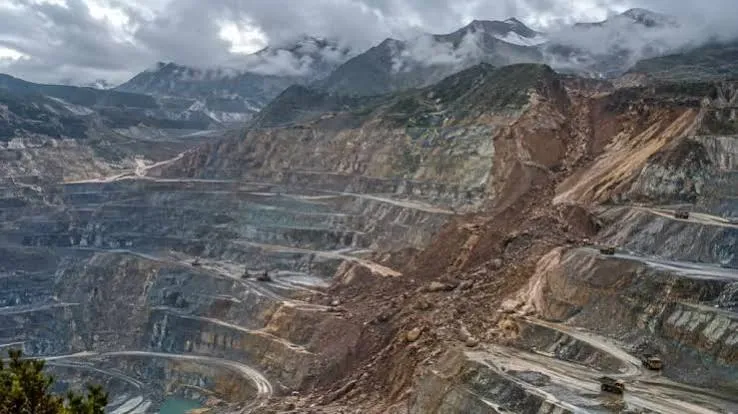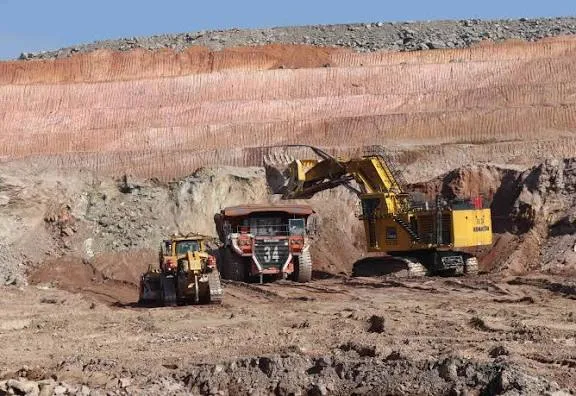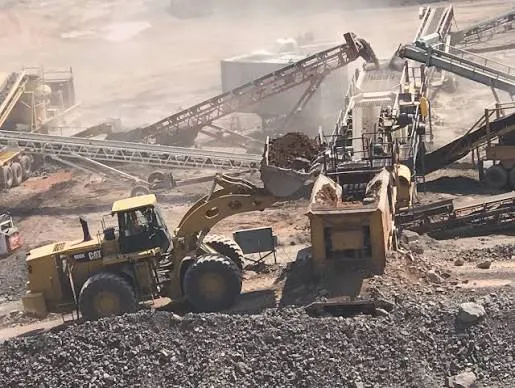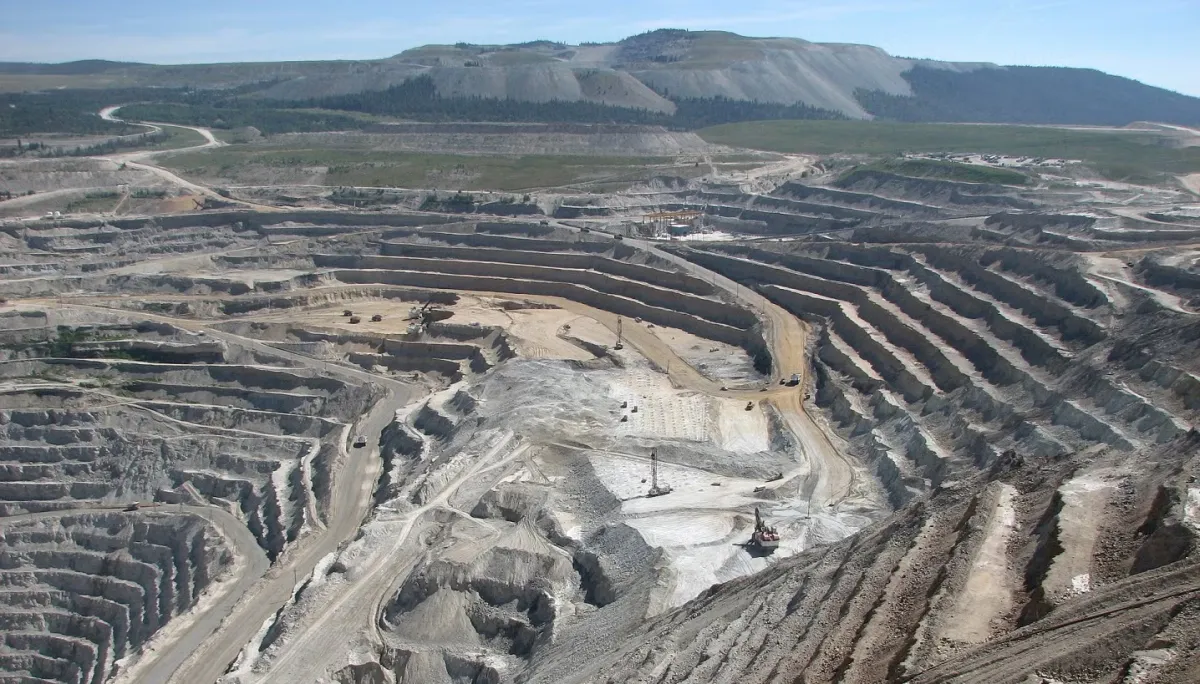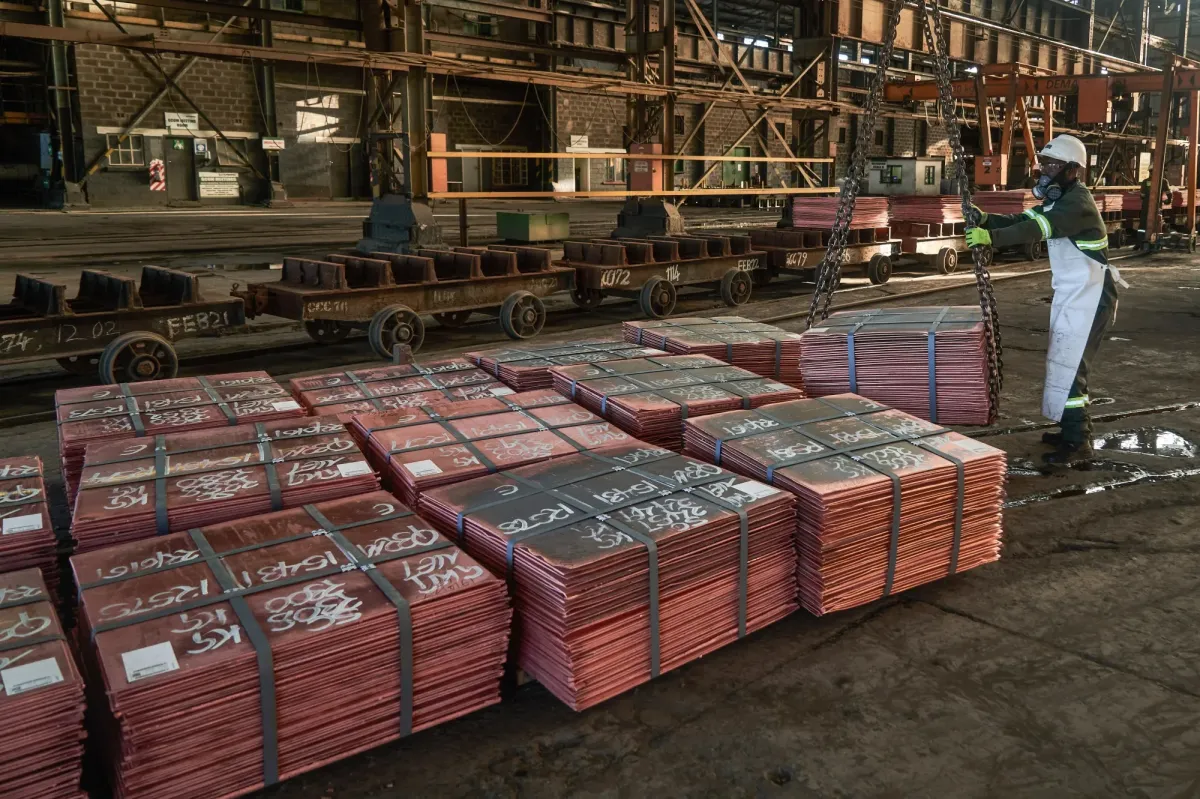
Zambia and Tanzania are stepping up work on logistics and power projects linked to copper production, as miners look for more reliable routes to export markets and imported equipment. The effort comes as Zambia aims to lift annual copper output toward 3 million metric tons over the next decade from about 700,000 to 800,000 tons in recent years.
The main focus is the Lobito and Dar es Salaam corridors, along with upgrades to the TAZARA railway and border infrastructure. Zambia’s government has said transport bottlenecks must be addressed if new mine investments are to translate into export growth. Tanzania is positioning itself as a transit and processing hub for copper and other minerals moving from the Copperbelt and the DRC.
Mine expansions are driving infrastructure demand
Zambia has seen renewed activity from major producers. First Quantum Minerals continues to invest in Kansanshi S3 and the Enterprise nickel mine, while Barrick Gold has been expanding at Lumwana and evaluating a large-scale super pit development. Vedanta Resources has moved to regain control of Konkola Copper Mines, where the challenge is to restore production after years of underinvestment and operational disruption.
In the DRC, mines in Haut-Katanga and Lualaba are also adding supply, which increases pressure on regional corridors. Much of that material still moves through southern African ports, but shippers and governments want alternatives to reduce transit times and lower congestion risk.
Rail, ports and power remain the main constraints
TAZARA, the rail line linking Kapiri Mposhi in Zambia to Dar es Salaam in Tanzania, has long operated below its original design capacity because of maintenance and financing problems. Officials from both countries have been in talks with investors and contractors on rehabilitation, rolling stock and signaling improvements. Port upgrades in Dar es Salaam are also part of the plan to handle larger mineral volumes and reduce turnaround times.
Power supply is another issue. Zambia’s mining sector was affected by electricity shortages tied to drought and low hydropower generation, forcing some operators to use more imported power and backup generation. New copper projects will require firmer power contracts and transmission upgrades if output targets are to be met.
Regional competition for copper flows
The logistics buildout has a commercial dimension. Angola has promoted the Lobito Corridor as a route for copper exports from Zambia and the DRC to the Atlantic, backed by Western financing and strategic-minerals interest. Tanzania, for its part, is expanding its case for Dar es Salaam as the eastern outlet for the same mining belt.
- Zambia copper production target: 3 million tons a year over time, according to the government
- Major producers: First Quantum, Barrick, Mopani, KCM and Chinese-owned operations in the Copperbelt
- Critical infrastructure: TAZARA rail, Dar es Salaam port, border posts, transmission lines and regional roads
For mining companies, route diversification matters because freight costs, border delays and power interruptions affect margins as much as ore grades in some operations. Decisions on rail concessions, port handling and cross-border customs systems will shape how quickly copper output growth in Zambia and neighboring producers can reach export markets.