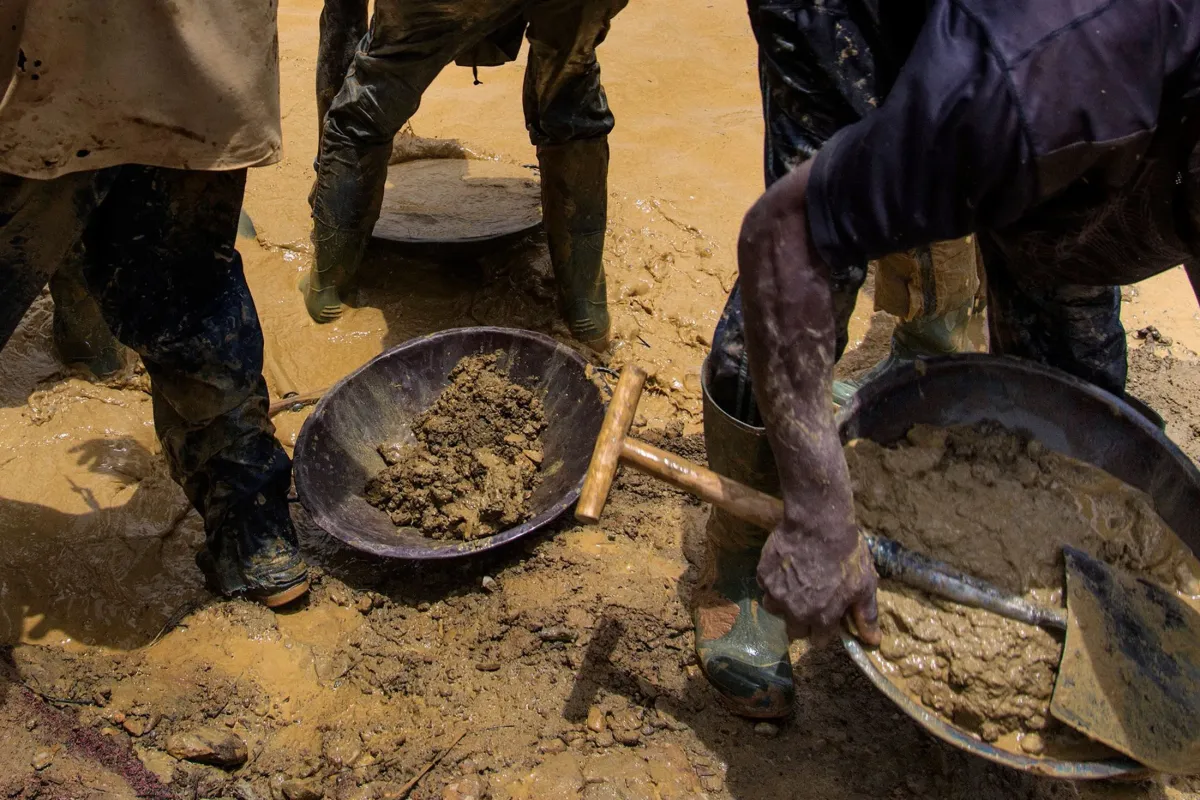
Ghana is tightening supervision of its small-scale gold sector through licensing reviews, enforcement campaigns and new trading controls aimed at bringing more output into formal channels. The effort reflects the sector's economic weight and the government's concern that large volumes of gold continue to leave the country outside official systems.
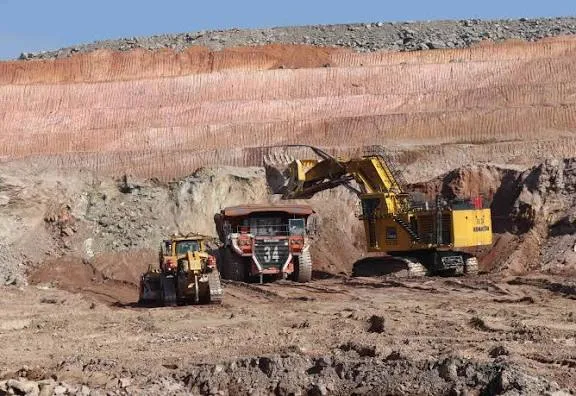
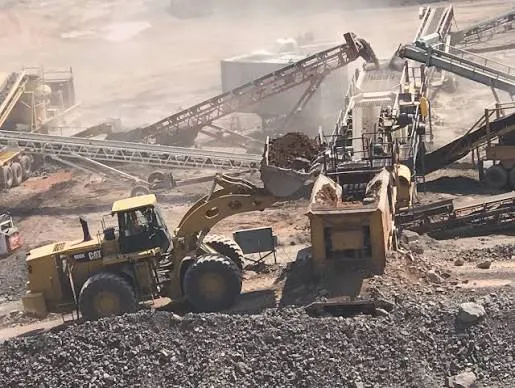
Gold is Ghana's largest export, with annual output typically above 4 million ounces when large-scale and small-scale production are combined. Alongside industrial mines operated by Newmont, Gold Fields, AngloGold Ashanti and Asante Gold, the country has a broad network of small-scale miners whose production supports rural incomes but has also been linked to river pollution, land degradation and tax leakage.
Small-scale mining remains economically important
Official data over recent years has shown that small-scale miners can account for more than one-third of Ghana's total gold output in strong years. That makes regulation difficult: the sector is too large to suppress outright, yet too fragmented to monitor easily. Authorities have therefore focused on formalization, local buying structures and digital traceability.
The government's Gold for Oil and domestic gold purchase programs also increased attention on how artisanal and small-scale output is marketed. Policy makers want more of that production sold through legal channels to support reserves, tax collection and foreign-exchange management.
Environmental enforcement widens
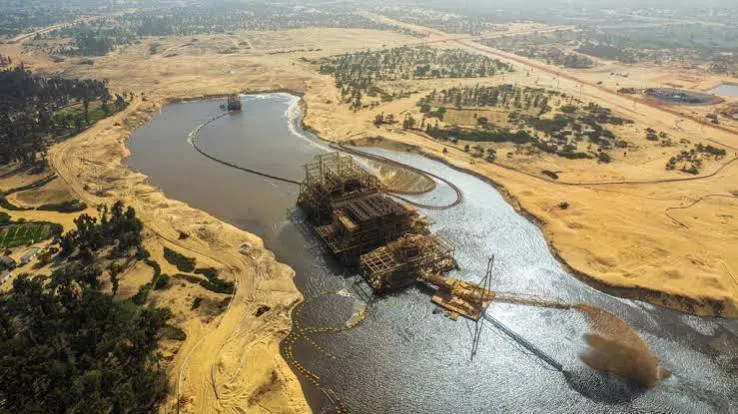
Illegal mining, known locally as galamsey, remains a political and environmental issue. Security agencies and regulators have expanded operations against unlicensed pits and dredging activity, especially in forest reserves and river systems. The damage to water bodies has affected farming districts and raised treatment costs for utilities.
At the same time, authorities have faced criticism from communities and civil society groups that enforcement has been uneven and that legal small-scale operators struggle with delays in obtaining permits. The policy challenge is to distinguish licensed local miners from criminal networks and smuggling syndicates.
Large producers continue to anchor exports
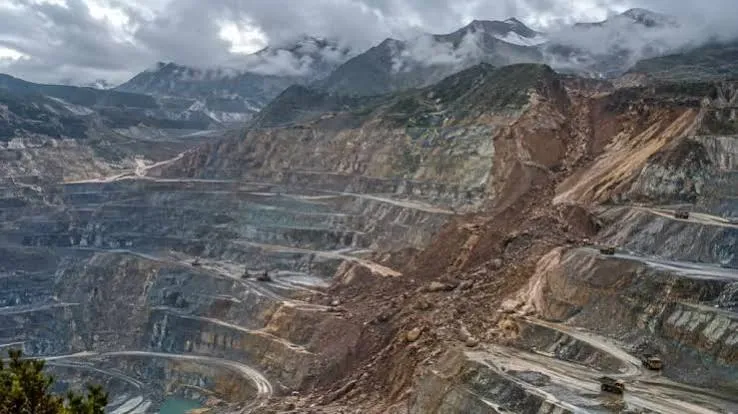
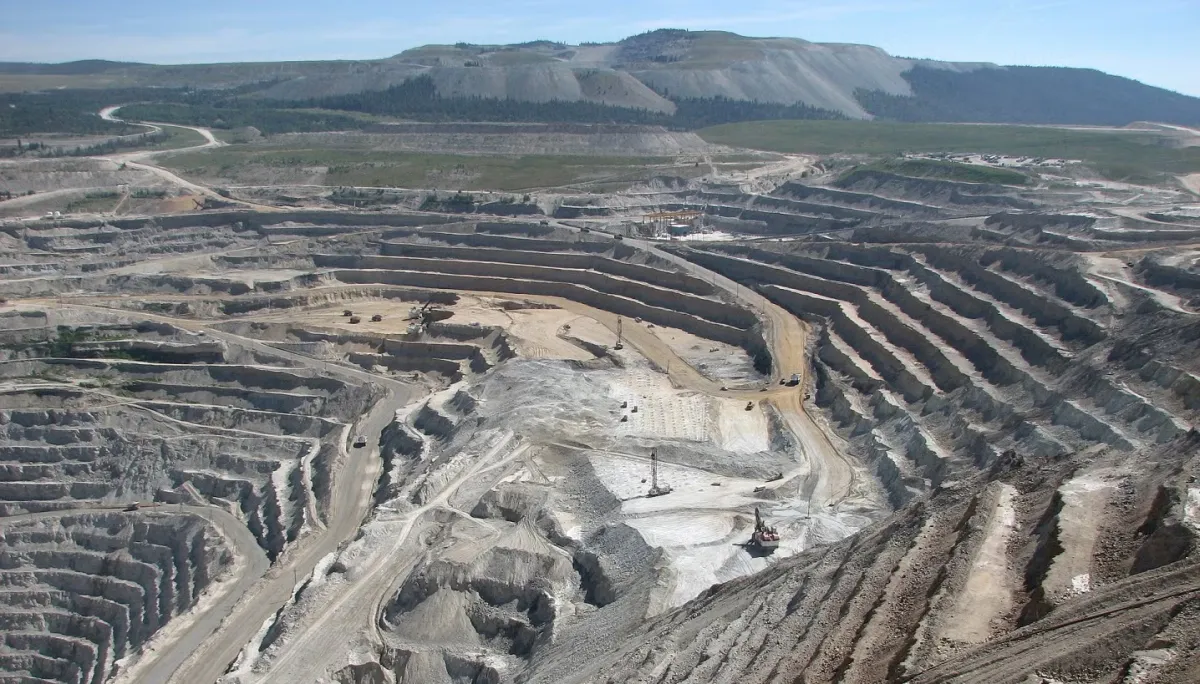
Ghana's industrial gold base remains substantial. Newmont's Ahafo and Akyem mines, Gold Fields' Tarkwa and Damang operations, and AngloGold Ashanti's Obuasi mine are among the country's flagship assets. Obuasi's redevelopment has been one of the most closely watched production stories in West Africa, while Tarkwa remains a major open-pit operation.
Higher international gold prices have supported revenue, but they have also sharpened incentives for illegal extraction and under-declaration. This is one reason regulators are trying to improve assay controls, export monitoring and the role of licensed aggregators.
- Top commodity: Gold
- Main issue: Formalizing small-scale production and reducing smuggling
- Large-scale operators: Newmont, Gold Fields, AngloGold Ashanti, Asante Gold
- Environmental concern: River pollution and land degradation from illegal mining
For mining investors, Ghana remains one of Africa's most established gold jurisdictions. The near-term variable is not geology but how effectively the state can regulate the informal end of the market without disrupting legitimate local production.