The Democratic Republic of Congo is reviewing options for tighter oversight of cobalt exports as officials and producers respond to a prolonged supply glut and weak prices. The debate has gained attention across the battery supply chain because Congo remains the dominant source of mined cobalt, while Chinese refiners and electric-vehicle manufacturers continue to shape downstream demand.
Cobalt hydroxide prices fell sharply from the highs seen in 2022 as new output from large copper-cobalt operations entered the market. Production growth at mines operated by CMOC Group, Glencore and Eurasian Resources Group added tonnage just as EV sales growth in some markets moderated and battery chemistries with lower cobalt intensity gained share.
Supply pressure from large-scale mines
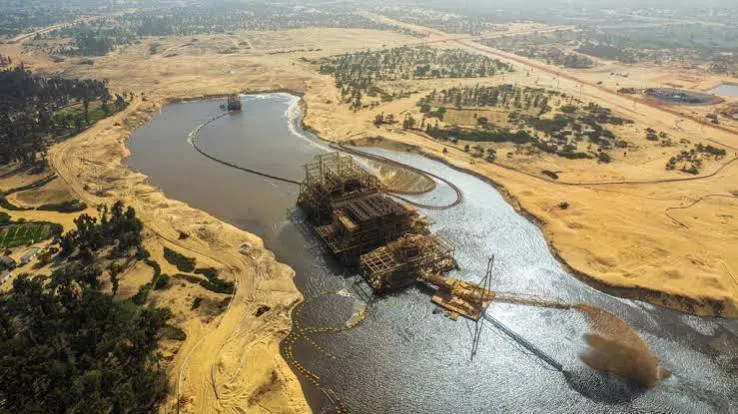
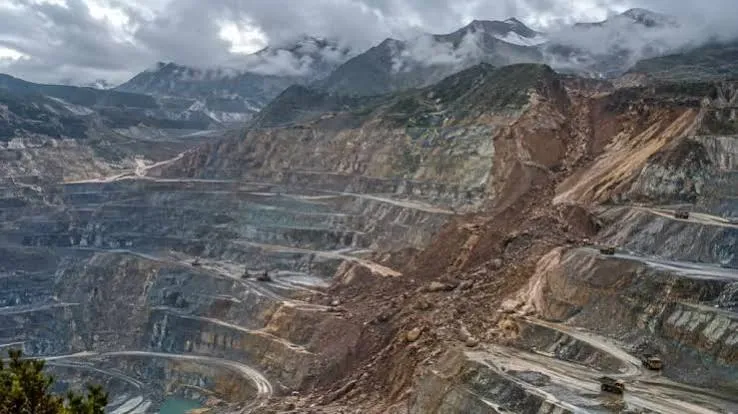
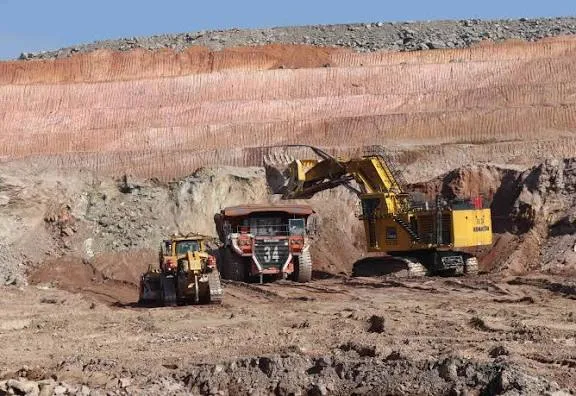
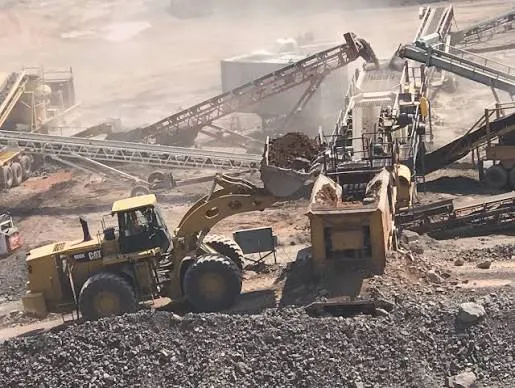
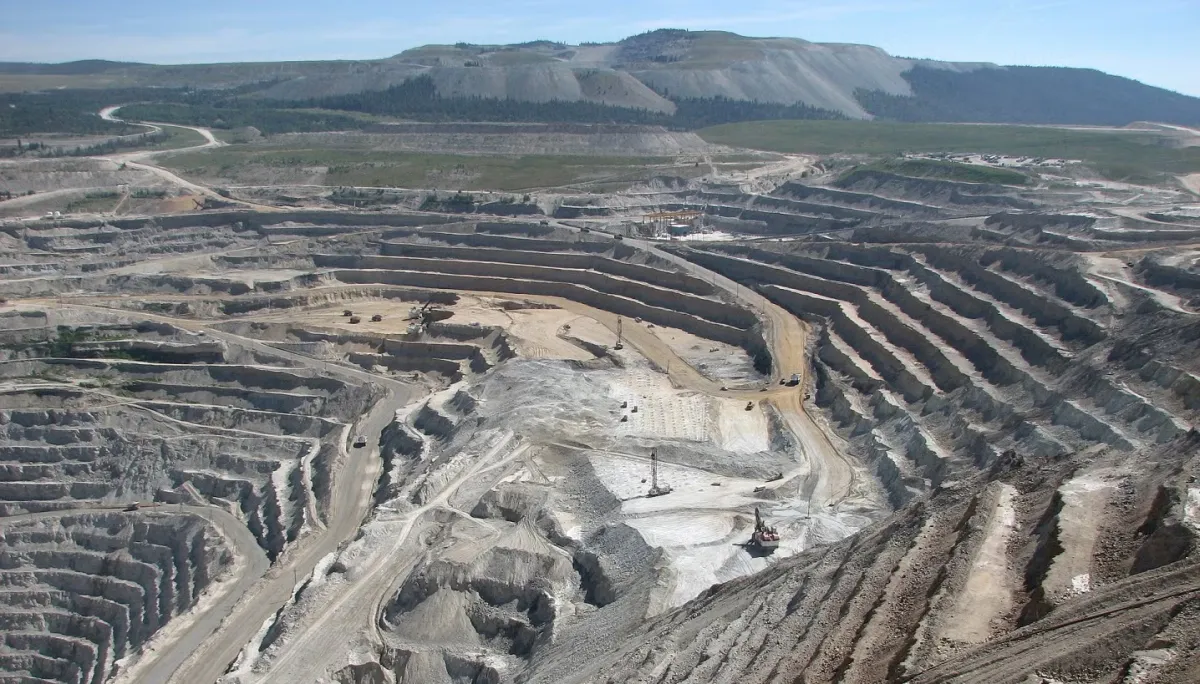
CMOC's Tenke Fungurume and Kisanfu operations in Lualaba province have been central to the supply increase. The company reported a sharp rise in cobalt output in 2023 and 2024, helping push Congo's national production above 200,000 metric tons in recent years by industry estimates. Glencore's Mutanda and Kamoto Copper Company also remain major contributors.
That supply concentration has amplified Congo's influence but has also exposed the country to price cycles. Cobalt metal prices on international markets dropped to multi-year lows during 2024 before recovering modestly, affecting state royalty receipts and contractor activity in mining towns around Kolwezi.
Government weighs market management tools
Officials have discussed whether export management, stock controls or stricter traceability rules could help stabilize the market. The government has previously intervened in strategic mineral trade, including with artisanal cobalt oversight and export certification measures. According to Congolese officials, the objective is to improve revenue capture and reduce disorderly selling rather than restrict investment.
Any formal curb would need to account for existing contracts, Chinese processing demand and the financing structures behind major projects. Most Congolese cobalt is exported as hydroxide to China, where refiners convert it into battery chemicals used in cathodes for electric vehicles and energy storage systems.
Pressure on artisanal producers
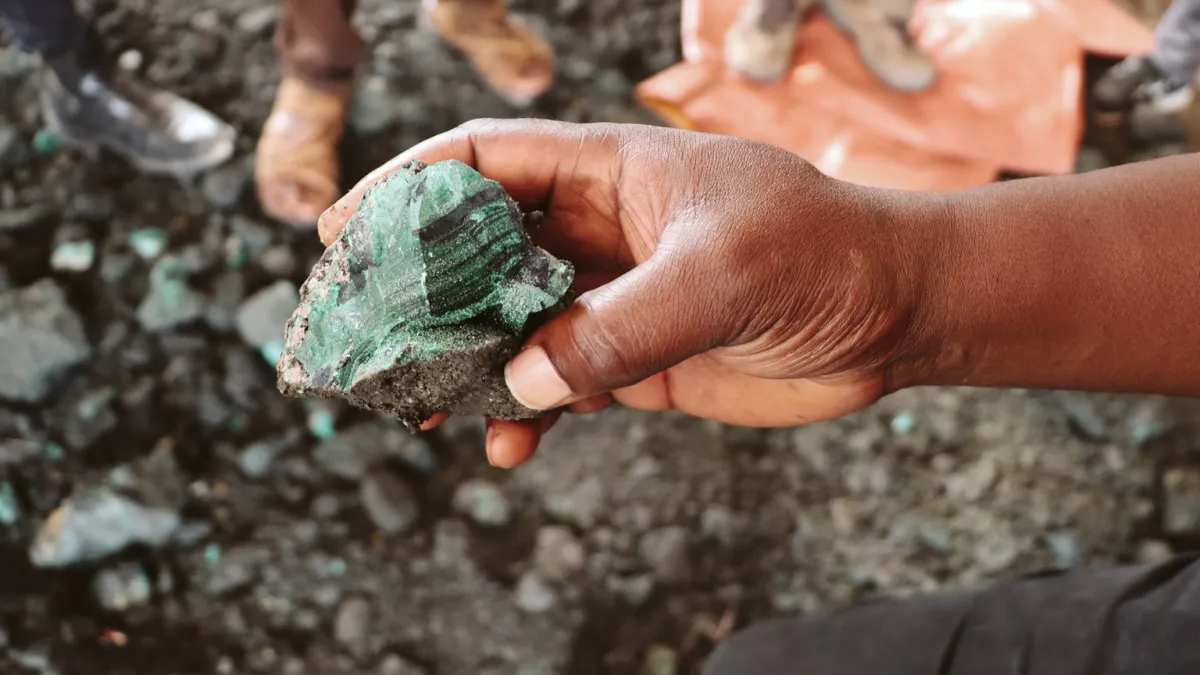
Lower prices have had a direct effect on artisanal miners and local traders, particularly in Haut-Katanga and Lualaba. Artisanal output represents a smaller share of total supply than in earlier years, but it still supports thousands of livelihoods. Price volatility has also complicated efforts to formalize the sector through state-backed buying systems and designated artisanal zones.
- Main producing provinces: Lualaba and Haut-Katanga
- Major operators: CMOC, Glencore, ERG
- Primary export destination: China
- Market issue: Oversupply relative to near-term demand growth
Battery buyers monitor policy risk
Automakers and battery material buyers are watching the policy discussion because Congo's cobalt remains difficult to replace at scale. Indonesia is expanding cobalt units through nickel processing, but Congo still dominates mined supply. Companies seeking long-term raw material contracts are therefore balancing price opportunities against sovereign and logistical risk.
For African mining investors, the issue is not only cobalt pricing. It also affects copper-cobalt project financing, local processing plans and the government's broader strategy for securing more value from the energy-transition metals extracted in the country.