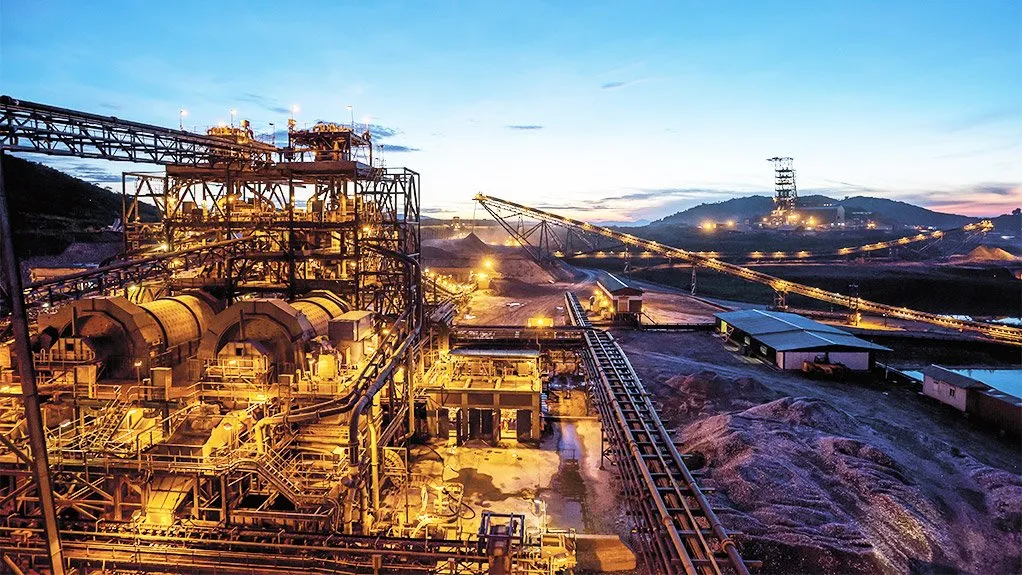
Barrick Gold has appointed new senior executives at the Kibali gold mine in the Democratic Republic of Congo, according to company statements and local industry officials, reshaping management at one of Africa’s biggest gold operations while the government reviews relationships with international miners.
The appointments include a new country manager for Barrick’s DRC operations and changes to site-level leadership at Kibali, people familiar with the matter said. Barrick has not framed the changes as a strategic shift, but the move places new executives at the center of one of Congo’s most important industrial gold assets at a time of tighter state oversight.
Kibali is operated by Barrick and owned through a joint venture in which Barrick holds 45%, AngloGold Ashanti Plc owns 45%, and Société Minière de Kilo-Moto, or SOKIMO, a state-owned Congolese entity, holds 10%. The mine is located in Haut-Uele province in the country’s northeast and has been one of the continent’s largest gold producers since commercial production started in 2013. Barrick inherited its stake through the acquisition of Randgold Resources.
Kibali produced 750,000 ounces of gold in 2023, according to Barrick disclosures, and has for several years ranked among the largest gold mines in Africa by annual output. Barrick has said the operation remains on track to sustain production through a combination of underground mining and open-pit feed, supported by ongoing investment in reserve replacement and plant efficiency. The mine is powered in large part by a network of hydropower stations, which Barrick has cited as reducing diesel use and operating costs.
The management changes come as Congo’s government seeks greater control over mining revenues and ownership structures. Officials have continued to enforce the 2018 mining code, which raised royalties on so-called strategic minerals and strengthened the state’s fiscal take, while also pressing companies on local processing, contract compliance and tax payments. Gold has not drawn the same level of policy intervention as copper and cobalt, but foreign operators across the sector have faced more frequent engagement with ministries and state agencies.
Kibali remains a significant employer and procurement hub in northeastern Congo, with thousands of direct employees and contractors, according to Barrick. The mine has also been developing the ARK underground section and other replacement ore sources to maintain output consistency as open-pit phases mature. Barrick said previously that exploration around the Kibali greenstone belt continued to support mine-life planning and processing flexibility.
Sources: Barrick Gold annual and operational updates; company disclosures on Kibali ownership and production; Democratic Republic of Congo mining code and ministry statements.