Glencore's two principal DRC copper-cobalt assets — Kamoto Copper Company (KCC) and Mutanda Mining — together constitute one of the largest cobalt production positions held by any single company globally and a significant copper production base in the Central African Copperbelt. The two operations are distinct in their geology, processing method, and development history, but share the same general geography in Lualaba province and feed into Glencore's integrated marketing and trading function.
Kamoto Copper Company (KCC)
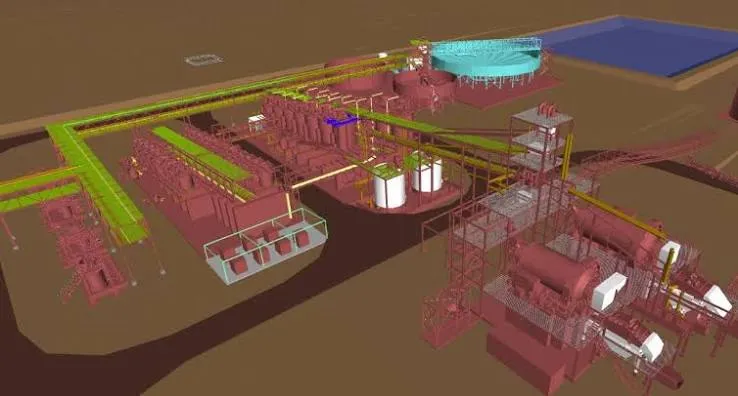
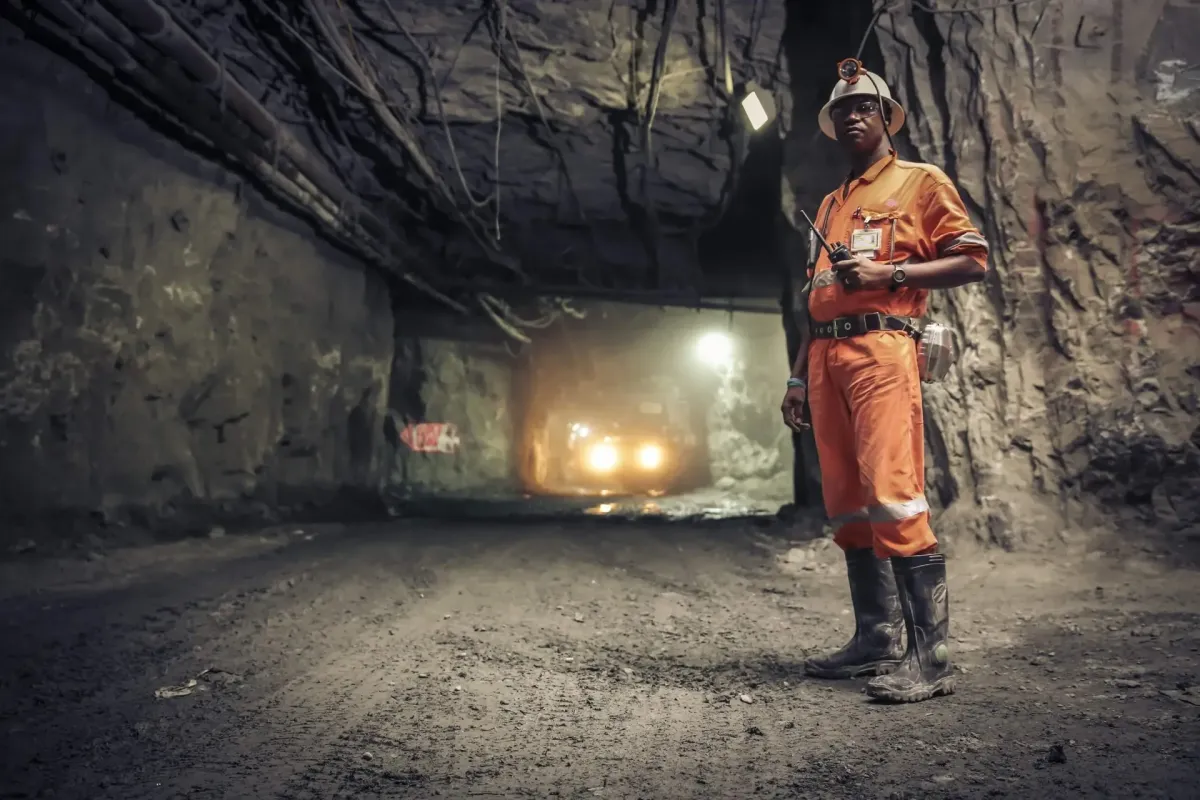
KCC operates two underground copper-cobalt mines — Kamoto and T17 — along with the associated concentrator and electrowinning infrastructure near Kolwezi in Lualaba province. Glencore holds an effective 75 percent interest in KCC through its subsidiary Katanga Mining. The remaining 25 percent is held through a state participation structure involving Gécamines and related government vehicles.
KCC is one of the older large-scale copper-cobalt assets in the DRC Copperbelt. Its infrastructure dates to successive capital cycles, including a major rehabilitation programme conducted after Katanga Mining's recapitalisation in the 2000s. The underground mines at Kamoto go to significant depths, and the ore presents a mix of oxide and transition mineralisation.
KCC's production has been subject to operational variability related to underground geotechnical conditions, power supply reliability, and the capital requirements of sustaining aging infrastructure. Glencore's annual reports provide KCC-level production data disaggregated from Mutanda; most recent published figures place KCC copper output in the 150,000–200,000 tonne per year range.
Mutanda Mining
Mutanda is a copper-cobalt mine in Lualaba province, owned 100 percent by Glencore. It operates open-pit mining and SX-EW copper cathode production, with cobalt hydroxide as a co-product. At full production, Mutanda generates approximately 300,000 tonnes of copper per year and a significant cobalt by-product volume.
Mutanda's operating history includes a decision in 2019 to place the mine on care and maintenance, driven primarily by low cobalt prices at the time and elevated cobalt royalty rates under the 2018 Mining Code. The care and maintenance period lasted until 2022, when rising cobalt and copper prices made resumption economic.
The restart involved recommissioning the processing circuit and rebuilding the operating workforce, which created a multi-quarter ramp-up period.
At full run rate, Mutanda's cobalt production adds materially to Glencore's total DRC cobalt position. Combined with KCC, Glencore's DRC cobalt output represents a significant share of global industrial mined-cobalt supply.
Why Glencore's DRC position matters
Glencore is, through KCC and Mutanda, one of the two or three companies with the most direct influence over global cobalt supply availability on a short-term basis. Its decision to place Mutanda on care and maintenance in 2019 reduced global cobalt supply by an amount equivalent to approximately 15 percent of total mine output at the time and was a significant factor in the cobalt price trajectory over the 2019–2021 period.
Responsible sourcing at KCC and Mutanda
Glencore operates a formal artisanal mining zone management programme at KCC's concession boundary in Kolwezi. The programme includes designated digging areas for artisanal miners, safety protocols, and purchasing arrangements that provide a traceable route for ASM ore.
This programme is described in Glencore's annual sustainability and responsible sourcing reports.
Mutanda's concession does not permit third-party ASM activity. All cobalt production is from Mutanda's own mining operations, and the cobalt hydroxide produced goes to Glencore's trading operation under terms that include the supply-chain documentation required by RMI and the EU Battery Regulation.