Every year, thousands of mining workers are injured or killed in incidents that safety equipment and technology could prevent. The global mining industry has made significant progress in reducing injury rates — the US reached a record low in 2025, South Africa has seen dramatic improvements in its deep-level gold and platinum mines — but the work is far from complete. For African mining operations, where regulatory oversight may be less consistent and working conditions more challenging, investing in the right safety equipment is both a moral imperative and a business necessity.
Why safety equipment matters beyond compliance
The business case for safety equipment is stronger than many operators realise. Beyond the obvious human cost of injuries and fatalities, safety incidents generate regulatory fines and suspensions, destroy community trust, trigger ESG downgrades that restrict access to capital, and create enormous operational disruption. A single fatal accident can halt production for days while investigations proceed.
Modern safety equipment — properly selected, deployed and maintained — reduces incident frequency and severity. The return on investment is not abstract: it is measured in fewer production stoppages, lower insurance premiums, reduced legal liability and improved workforce retention in a sector where skilled workers have choices.
Personal protective equipment: the foundation
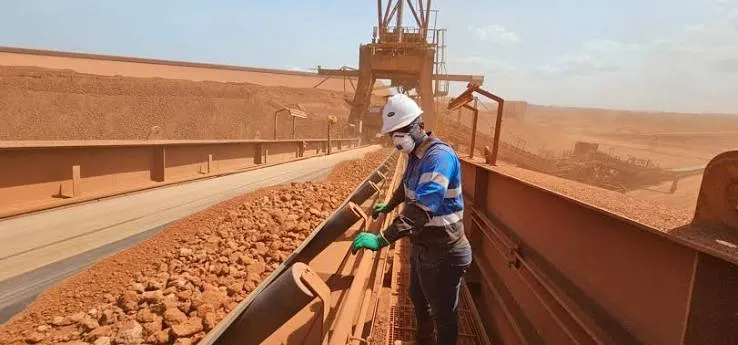
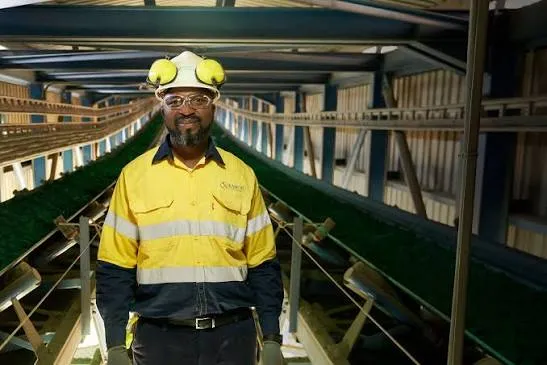
PPE is the first line of defence for any mine worker. The minimum standard across all recognised mining jurisdictions includes hard hats, safety boots, high-visibility clothing, eye protection and hearing protection. Modern mining-standard hard hats incorporate face shields, integrated lamp mounts and, increasingly, impact sensors that detect falls or collisions and alert supervisors automatically.
Respiratory protection has evolved significantly. Air-purifying respirators with multi-stage filter cartridges protect against silica dust, diesel exhaust particulates and chemical vapours in surface processing environments. Supplied-air respirators are required in the highest-risk underground environments.
Anti-vibration gloves reduce hand-arm vibration syndrome in drill and jackhammer operators — a long-term occupational health issue that has received increased regulatory attention across African mining jurisdictions in recent years.
Gas detection systems
Gas hazards are a leading cause of mining fatalities globally, particularly in underground coal mines (methane, carbon dioxide), gold mines (carbon monoxide from blasting) and operations processing sulphide ores (hydrogen sulphide). Modern gas detection takes two forms: personal gas monitors worn by individual workers, and fixed gas detection networks installed throughout underground workings.
Personal monitors from companies like Dräger, MSA Safety and Industrial Scientific continuously sample the atmosphere around the wearer and provide audible, visual and vibrating alerts when gas concentrations exceed preset thresholds. Modern units connect wirelessly to mine-wide monitoring systems, giving control room operators real-time visibility of atmospheric conditions across the entire underground.
Fixed gas detection networks provide area monitoring, allowing the mine to detect localised gas accumulations — particularly important near old workings where gas can migrate unpredictably.
Proximity detection and collision avoidance
Vehicle-pedestrian collisions are one of the most persistent causes of mining fatalities, particularly in underground environments where visibility is limited and equipment operates in confined spaces. Proximity detection systems (PDS) address this directly by creating a real-time awareness zone around each machine and triggering warnings — or in advanced systems, automated speed reduction and emergency stops — when a worker is detected within the hazard zone.
Regulators in South Africa mandated PDS for certain underground vehicle categories, and similar requirements are being adopted across African mining jurisdictions. Leading suppliers include Booyco Electronics, Strata Worldwide and Brigade Electronics.
Refuge chambers
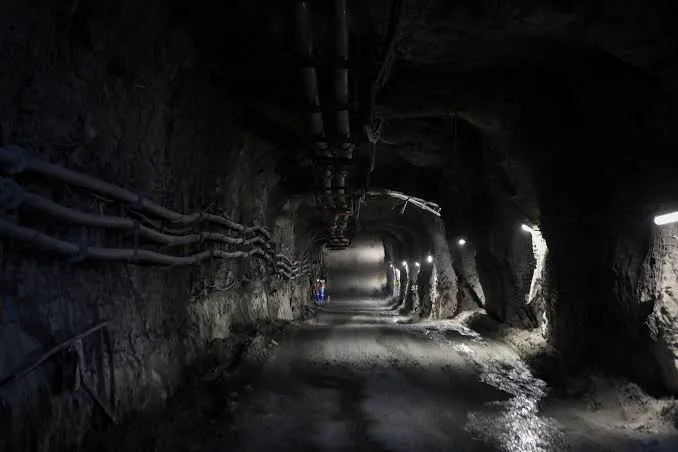
In deep underground mines, a refuge chamber is a critical safety system for emergency situations where evacuation is not immediately possible — fires, seismic events, ventilation failures. A refuge chamber is a sealed, blast-resistant module containing enough compressed oxygen, food, water and sanitary facilities to sustain a crew for 96 hours to eight days.
MineARC Systems (Australia) is the global market leader in refuge chambers, with extensive deployments across African underground gold, copper and platinum mines. Chambers are available in fixed (permanently installed) and transportable (mobile) configurations and must be regularly inspected and re-stocked to ensure operational readiness.
Communication and tracking systems
Mine-wide communication systems — incorporating VHF radio, leaky feeder antenna systems, wireless mesh networks and tracked personnel positioning — provide the operational backbone for emergency response. Real-time personnel tracking allows rescue teams to locate workers quickly in the event of an incident, dramatically improving emergency response effectiveness.
Regulatory context for African mining
Safety regulatory frameworks vary significantly across African mining countries. South Africa's Mines Health and Safety Act is among the most detailed and enforced on the continent, with mandatory requirements for PDS, refuge chambers, gas detection and regular safety audits. Zambia, Ghana, DRC and Mozambique each have their own regulatory frameworks — but enforcement quality and resource availability for inspection vary widely.
For mine operators targeting international investment, meeting or exceeding the highest applicable standard — typically South African or international ISO/ILO benchmarks — is increasingly required by financiers and development finance institutions.