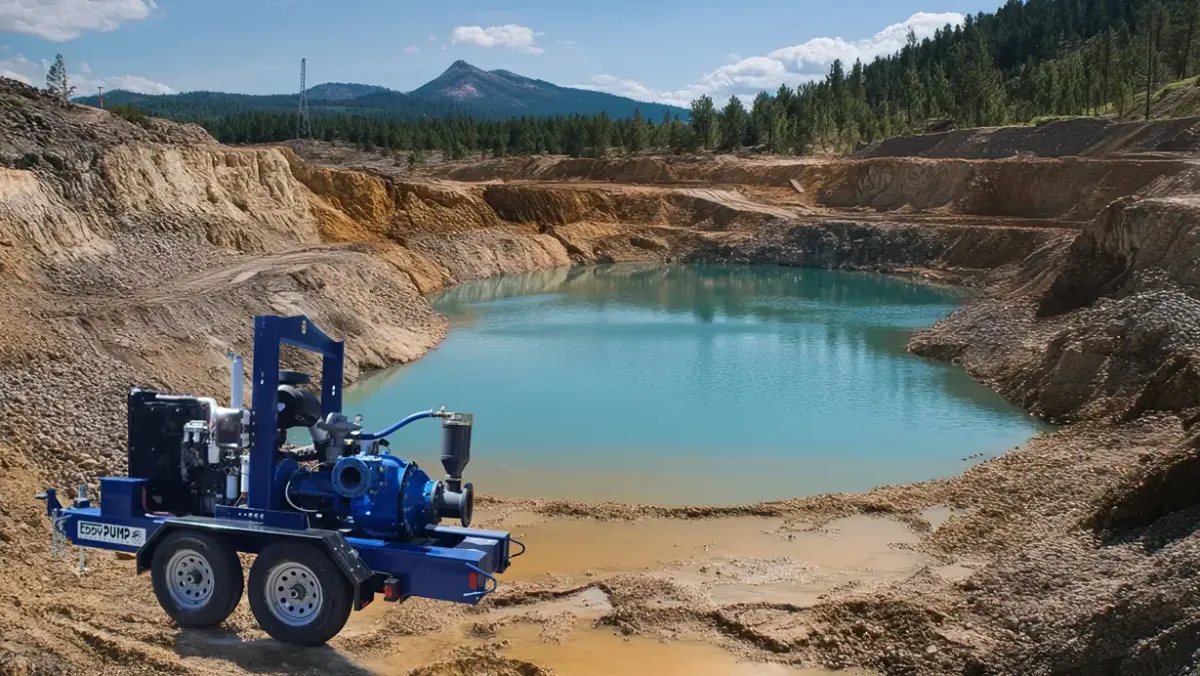
Water and slurry management is one of the least glamorous but most critical aspects of mining operations. Floods can halt underground production for weeks. Slurry mismanagement can damage expensive downstream equipment. And process water handling directly affects mineral recovery rates. Behind all of it sits the mining pump — and choosing the wrong one is a costly mistake.
Why pumps matter so much in mining
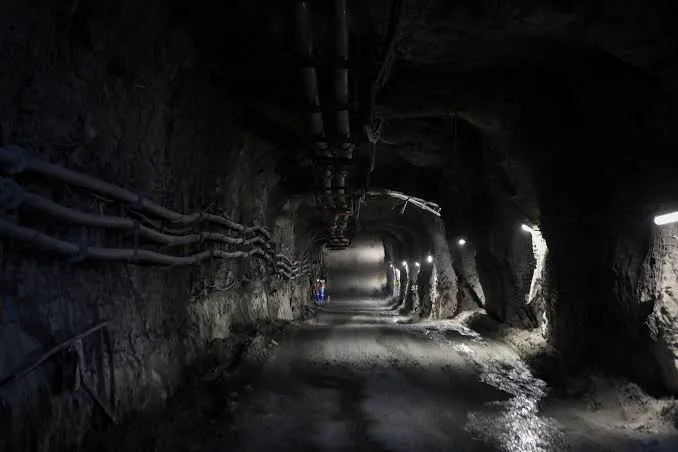
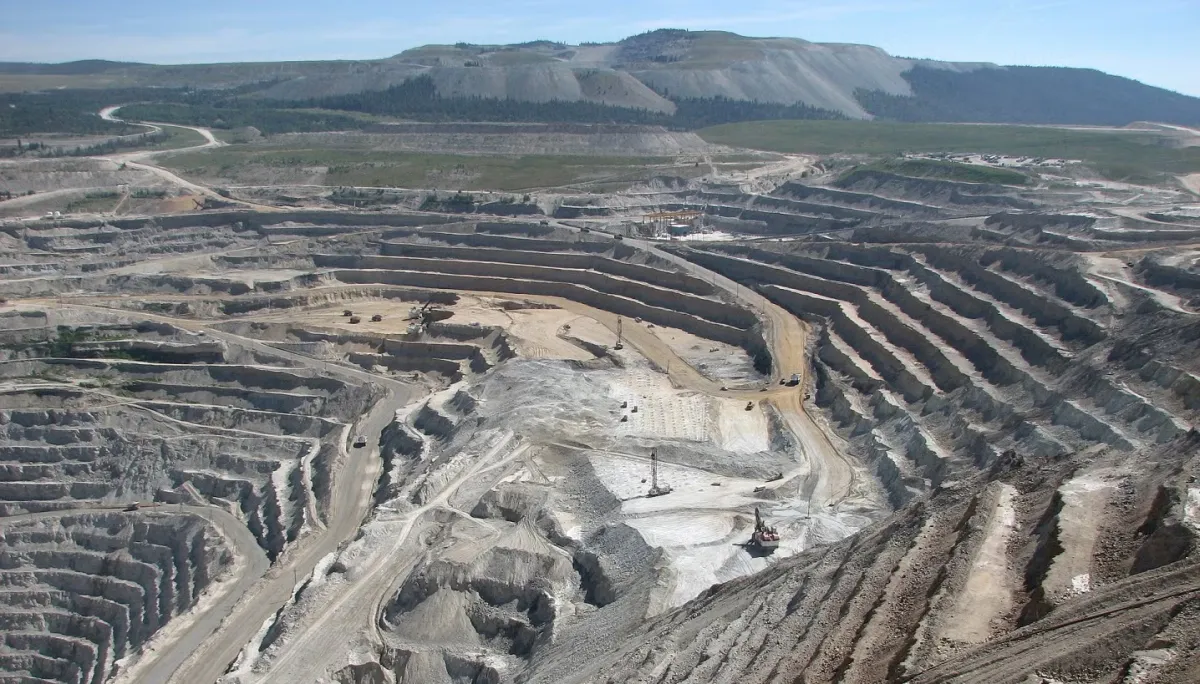
Mining intersects with water in multiple ways. Underground mines accumulate groundwater that must be continuously removed to keep workings accessible. Open-pit mines fill with rainwater and seepage that must be pumped out. Processing plants use water throughout the flotation, leaching and thickening circuits, with slurry — a mixture of fine ore particles and water — being the primary process medium. Each application demands a different type of pump, engineered for the specific conditions it will face.
The three main categories of mining pumps
Slurry pumps
Slurry pumps handle the abrasive, high-density mixtures that flow through mineral processing circuits. The challenge of slurry pumping is significant: the mixture is corrosive, highly abrasive, often contains particles that can exceed 50mm in size, and must be moved efficiently over long distances and significant elevation changes.
Slurry pumps are centrifugal in design, with impellers and wet-end liners made from high-chrome alloy or rubber compounds to resist wear. The Warman pump, manufactured by Weir Minerals, is the global standard for heavy-duty slurry applications — its design has been refined over decades of use in copper, gold and iron ore processing plants worldwide.
Key specifications to understand when selecting a slurry pump include the particle size distribution of the slurry, the slurry density (expressed as specific gravity), the required flow rate (cubic metres per hour), and the total dynamic head (the combined elevation change and friction losses the pump must overcome).
Dewatering pumps
Dewatering pumps remove water from mine workings, pit floors and tailings areas. Unlike slurry pumps, they handle relatively clean water — though in practice, mine dewatering water often contains suspended solids and must be treated before discharge.
The main dewatering pump types are submersible pumps (which sit directly in the water being pumped), vertical turbine pumps (for deep sumps and shafts), and centrifugal end-suction pumps for surface dewatering applications.
In underground mines, dewatering is a safety-critical function. Pump failure — particularly in deep mines with high water ingress — can quickly create life-threatening conditions. Redundancy in dewatering systems is not optional.
Process and clear water pumps
Process pumps handle relatively clean water used in processing circuits — reagent addition, flotation cell aeration, thickener overflow recirculation and similar applications. These require lower wear resistance than slurry pumps but demand precise flow control and reliability over long service periods.
Leading pump suppliers with African presence
Weir Minerals (Warman slurry pumps) maintains an extensive service and distribution network across Africa, with regional hubs in South Africa, Ghana, Zambia, Kenya and the DRC. The Warman range covers virtually every slurry pumping application in mining.
KSB is particularly strong in process and clean water pumping across Africa, with local offices in multiple countries and a broad range from small process pumps to large centrifugal units. KSB has listed operations in Botswana, Ghana, Kenya, Mozambique and Namibia.
Metso has expanded its pumping portfolio, particularly after acquiring Svedala's pump business, and offers a competitive range of slurry pumps for grinding and cyclone feed applications.
Grundfos and Xylem are dominant in dewatering and process water applications, with strong African distribution networks.
Pump selection for African conditions
Mining pumps in Africa face specific challenges beyond standard engineering specifications. Heat, dust, variable power quality, and the difficulty of getting wear parts and service technicians quickly to remote locations all influence how pumps should be selected and maintained.
Several practical guidelines apply: specify pumps with robust bearings and mechanical seals rated for high ambient temperatures; ensure the selected pump model has wear parts available locally or from a regional warehouse within acceptable delivery times; and consider the total cost of ownership — a cheaper pump with shorter wear part life and higher energy consumption will often cost more over a five-year period than a premium pump with superior efficiency and liner life.