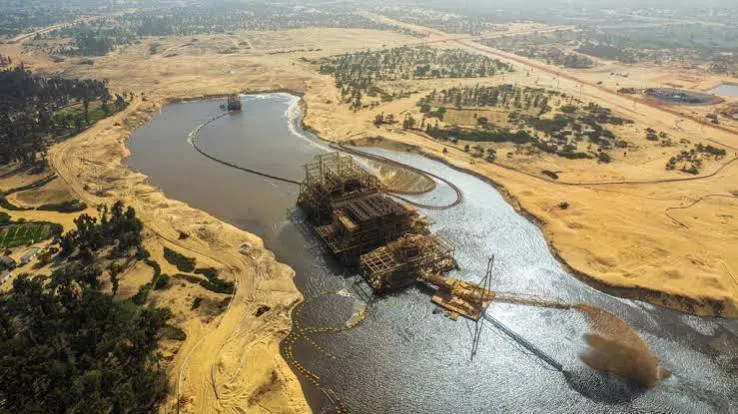
The legislation, recently implemented by Brussels, represents a fundamental challenge to Africa’s traditional role in global supply chains. By mandating that 25 percent of minerals used in European electric vehicles must be processed within EU borders by 2030, the regulation effectively creates a barrier against $7.3 billion worth of semi-processed materials from African producers.
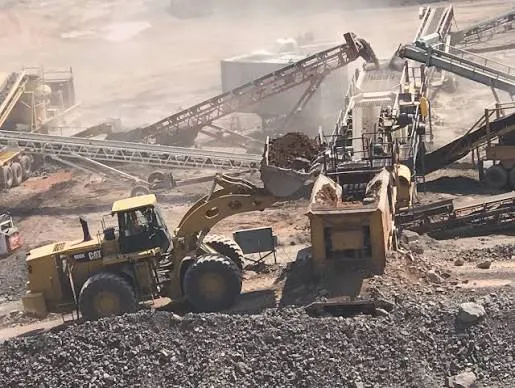
For countries like Zambia and the Democratic Republic of Congo, which have built their economies around supplying cobalt hydroxide and copper anodes to European manufacturers, the legislation threatens to undermine decades of industrial development strategy. According to U.N. Trade Gap Analysis, these intermediate products—more valuable than raw ore but not fully refined metals—have represented a critical step up the value chain for African economies seeking to escape the resource curse.
The policy collision illustrates how climate action in wealthy nations can have profound and often unexamined consequences for developing regions. While European policymakers frame the legislation as essential for supply chain security and environmental standards, African leaders view it as a sophisticated form of protectionism that undermines their industrial development.
The dispute has prompted swift countermeasures. Zambia and Namibia recently announced a coordinated 15 percent export tax on unrefined ores—a direct response to Europe’s policy shift and an explicit attempt to attract Chinese processing facilities to Southern Africa. The strategy reveals how Europe’s regulatory choices may inadvertently strengthen China’s position in critical mineral supply chains.
The standoff has cast uncertainty over high-profile Western infrastructure initiatives designed to secure mineral supply chains. The Lobito Corridor a $1.5 billion rail project backed by the United States to connect Zambian and Congolese copper mines to Atlantic ports, has completed just 12 percent of construction since its 2023 groundbreaking. With mineral flows potentially pivoting toward Chinese-controlled eastern ports instead, the strategic rationale for the massive investment appears increasingly tenuous.
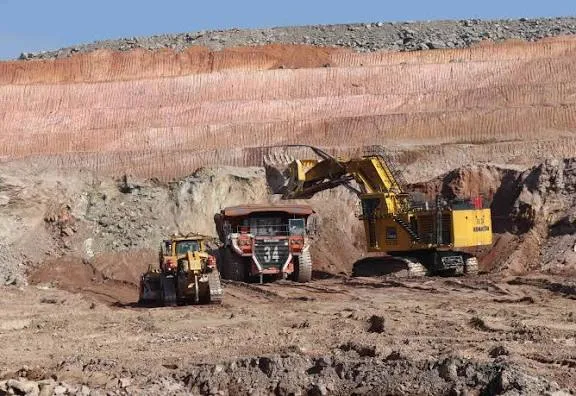
For mining companies operating across Africa, the regulatory conflict creates profound strategic challenges. Major producers now contemplate parallel processing streams—one meeting European standards for that market, another aligned with less restrictive Asian requirements. The added complexity threatens to undermine the economics of marginal projects just as global demand for energy transition minerals surges.
The situation reveals the inadequacy of current international frameworks for managing resource transitions. While climate agreements focus primarily on emissions reductions, they rarely address the distributional consequences of shifting resource demands. The result is a fractured approach where trade policies, environmental regulations, and development goals often work at cross-purposes.
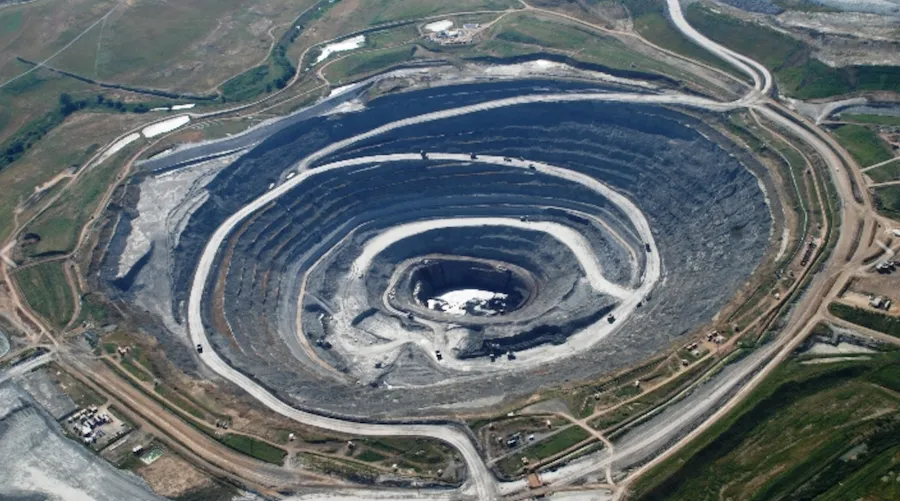
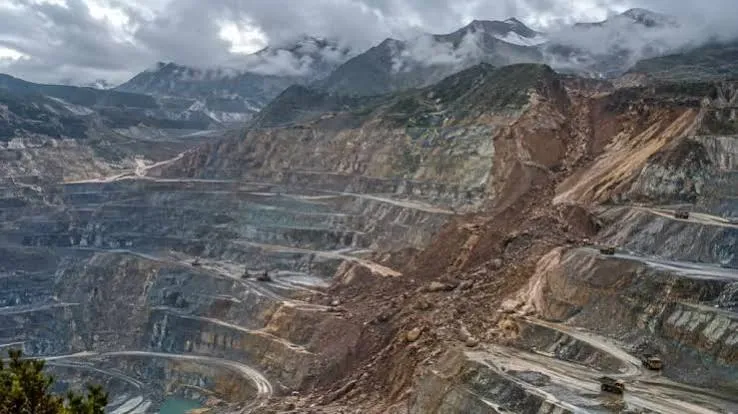
Communities living above Africa’s mineral wealth watch these high-level disputes with growing skepticism. In copper-rich regions of Zambia, where decades of extraction have left environmental degradation but limited prosperity, residents question whether new processing requirements regardless of which foreign power imposes them will improve local outcomes.
As ministers departed Addis Ababa, their communiqué reflected a growing recognition that Africa must develop coordinated responses to external policies that reshape resource markets. Whether through regional processing hubs, coordinated export policies, or diversified partnerships, the continent seeks to avoid being merely a passive recipient of regulations crafted in distant capitals with minimal African input.
The outcome will help determine whether critical minerals become a foundation for sustainable development across Africa or merely the latest chapter in a long history of resource extraction that generates wealth elsewhere while leaving behind environmental and social costs.