Mining equipment refers to the machinery, tools and systems used to locate, extract, process and transport minerals and other natural resources from the earth. Without it, modern mining — at the scale required to supply copper for electrical infrastructure, gold for electronics, lithium for batteries or iron ore for steel — would simply not be possible.
The global mining equipment industry is worth more than $75 billion annually and encompasses everything from the largest haul trucks ever built — capable of carrying 400 tonnes of rock — to the gas detectors worn on a miner's belt. Understanding the different categories of mining equipment, and how they work together, is essential knowledge for anyone involved in the mining industry.
The two main contexts: surface and underground
All mining equipment is ultimately designed for one of two environments, each with fundamentally different requirements.
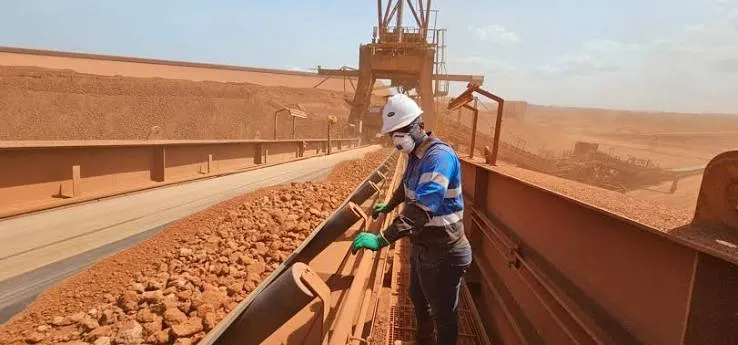
Surface mining takes place in open-pit mines, quarries and strip mines. The overriding priority is moving massive volumes of rock efficiently. Equipment is large, often very large — electric rope shovels weigh thousands of tonnes, haul trucks stand three storeys tall, and draglines are among the biggest machines ever built. Visibility, space and scale are the defining features of surface mining equipment design.
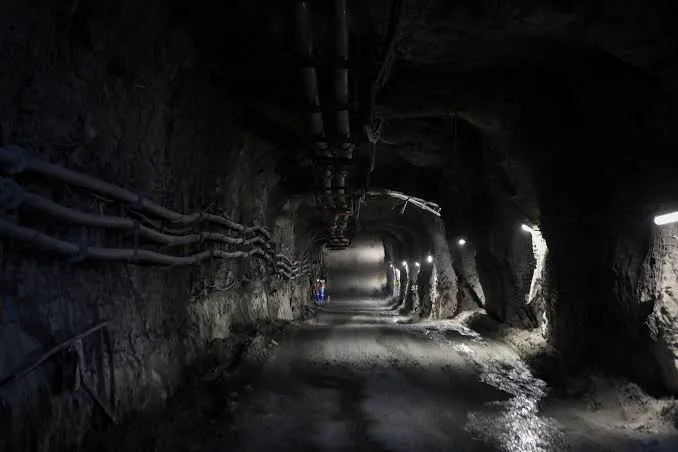
Underground mining takes place in tunnels and shafts beneath the earth's surface. Here, the priorities are almost the opposite: compactness, manoeuvrability, operator safety and ventilation compatibility. Underground machines must navigate narrow drives and tight corners, operate in low-oxygen environments where diesel emissions must be strictly controlled, and withstand the enormous stresses of rock movement and blasting.
The main categories of mining equipment
Drilling equipment
Drilling is typically the first active step in mineral extraction. Drill rigs create holes in rock for explosive charges (in blasting operations), for ground support bolts, or for exploration core samples. The main types include rotary blast hole drills for surface mines, top hammer and DTH (down-the-hole) drills for hard rock, longhole drills for stope blasting underground, and diamond core drills for exploration.
Loading and haulage equipment
Once rock has been blasted or cut, it needs to be loaded and moved. On the surface, this is done with hydraulic excavators, electric rope shovels and wheel loaders feeding giant haul trucks. Underground, LHDs (load-haul-dump machines) load broken ore and transport it to ore passes or underground trucks, which carry material to the surface or a hoisting system.
Crushing and processing equipment
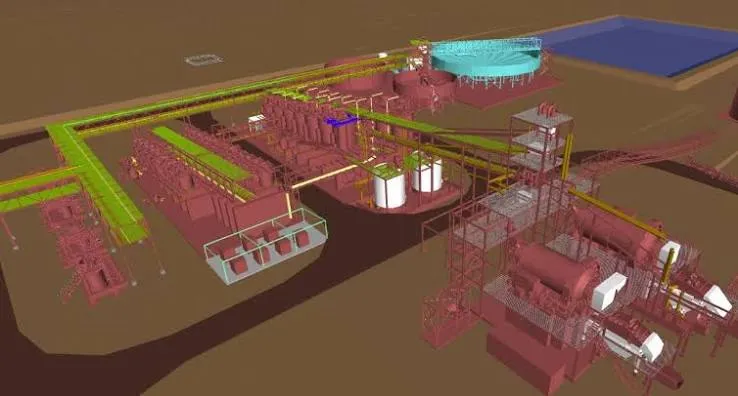
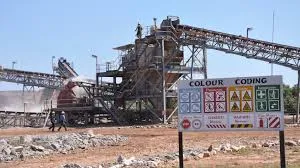
Mined ore rarely goes directly to a smelter. Crushing equipment breaks large rocks into progressively smaller fragments using jaw crushers, gyratory crushers, cone crushers and impact crushers. Screening equipment separates material by size. Grinding mills then reduce ore to fine particles for mineral separation processes including flotation, leaching and gravity separation.
Ground support and development equipment
In underground mines, maintaining the integrity of tunnels and excavations is critical for worker safety. Bolters install rock bolts and mesh into tunnel walls and roofs. Shotcrete machines apply sprayed concrete to exposed rock surfaces. Raise borers create vertical shafts. Development jumbos drill the blast holes that advance tunnels through hard rock.
Safety and monitoring equipment
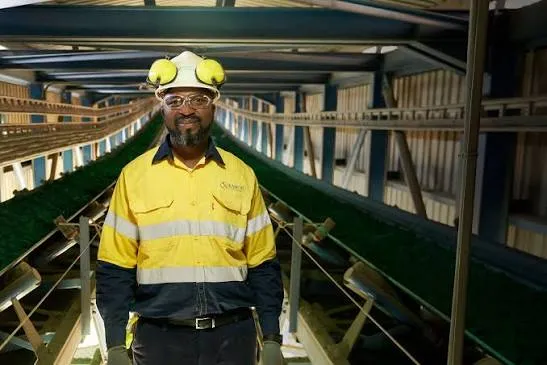
Modern mines deploy an extensive range of safety equipment including gas detection systems, proximity detection and collision avoidance technology, refuge chambers, communication systems, ventilation equipment, and comprehensive personal protective equipment. This category has grown significantly as regulators and investors push for improved safety outcomes.
How equipment varies by commodity and region
A gold mine looks different from a copper mine, and an African open-pit iron ore operation uses different equipment from a South African deep-level platinum mine. Commodity type, ore grade, rock hardness, mine depth and geographic location all influence equipment selection.
In Africa specifically, infrastructure constraints — road conditions, power availability, spare parts logistics — play a major role in equipment decisions. Mines in remote DRC or Zambian locations often favour equipment from suppliers with strong local service networks over theoretically superior products that cannot be supported adequately in the field.
Understanding this landscape — what equipment does what, who supplies it, and how to evaluate suppliers for African conditions — is the foundation of effective mine procurement.