The choice between surface and underground mining is one of the most fundamental decisions in mine planning, and it shapes everything that follows — including the equipment fleet, the workforce structure, the cost profile and the safety management approach. For procurement teams, engineers and investors involved in African mining projects, understanding how these two approaches differ from an equipment perspective is essential.
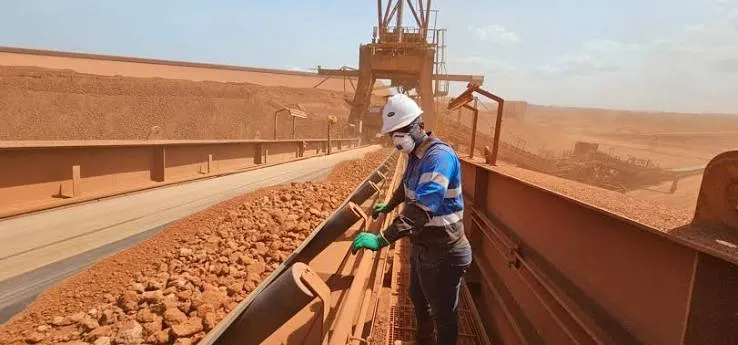
Surface mining is used when the target ore body lies close enough to the surface that it can be reached by removing the overlying rock and soil — known as overburden — economically. Underground mining is required when the ore is too deep for surface extraction to be financially viable, or when the orebody's geometry makes it more efficiently accessed from below.
Scale versus compactness: the defining tension
The most obvious difference between surface and underground mining equipment is scale. Surface mining has no space constraints — equipment can be as large as engineering and economics allow. Ultra-class haul trucks carry payloads of 300–400 tonnes. Electric rope shovels can fill one of those trucks in two passes. Draglines used in coal strip mining are among the largest machines ever built, weighing up to 13,000 tonnes with buckets holding 100 cubic metres.
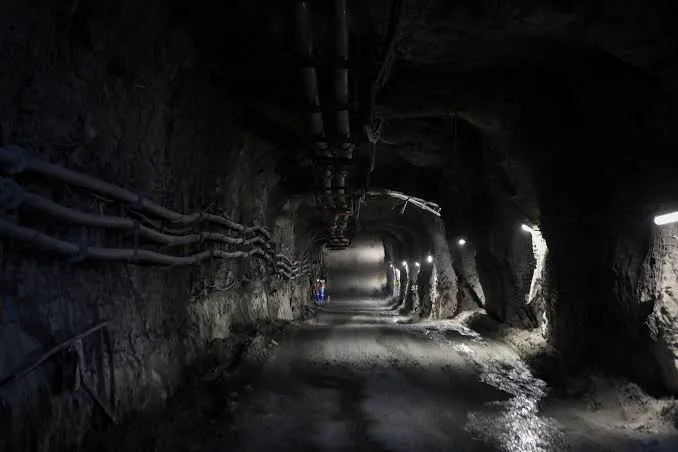
Underground mining demands the opposite: machines designed to work in confined spaces, typically tunnels three to five metres high and wide. An underground LHD (load-haul-dump machine) might weigh 30 tonnes and carry 14 cubic metres — modest numbers compared to surface counterparts, but the result of intensive engineering to maximise productivity within tight dimensional constraints.
Surface mining equipment in detail
Excavation equipment
The primary excavation tools on surface mines are hydraulic excavators, electric rope shovels and wheel loaders. Hydraulic excavators are the most flexible — they can dig, load trucks, and perform a range of auxiliary tasks. Electric rope shovels and hydraulic face shovels are used at the highest-production open pits, where their combination of bucket size and cycle time produces unmatched loading rates.
Dozers and motor graders support excavation by clearing material, building haul roads and managing waste dumps. Water trucks suppress dust — a major environmental and visibility concern in dry open-pit environments.
Drilling and blasting equipment
Surface mines use large rotary blast hole drills to create the patterns of holes into which explosives are loaded. These drills are diesel or electric-powered, mounted on crawler tracks for mobility across the pit floor, and can penetrate 50–100 metres per hour into hard rock. The largest models stand over 20 metres tall.
Haulage equipment
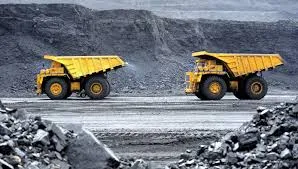
Surface haulage is dominated by off-highway haul trucks ranging from 40-tonne capacity for smaller operations to 400-tonne ultra-class machines at major copper and iron ore mines. These trucks represent some of the highest capital investments on any mining operation and require careful road design, maintenance infrastructure and operator training to run efficiently.
Underground mining equipment in detail
Development drilling
Underground mine development — the process of creating tunnels, shafts and excavations — relies on drill jumbos. These are multi-armed drilling platforms that position multiple rock drills simultaneously against a tunnel face, drilling the complex hole patterns required for controlled blasting. Modern jumbos are computer-controlled, with automated boom positioning that improves both drilling accuracy and cycle time.
Load and haul
Underground loading and haulage uses LHDs and underground trucks. LHDs are articulated, low-profile machines with a large front bucket. They load broken ore from the stope or development face and transport it to an ore pass or directly to a crusher or hoisting point. Underground trucks then carry ore from ore passes to surface via a decline or haul it directly up a ramp.
Ground support
While surface mines deal with slope stability, underground mines must actively support the rock mass surrounding their excavations. Bolters, cable bolters, and shotcrete machines are the core ground support tools, working continuously as development and production advance.
Cost implications and the African context
Surface mining generally has lower unit costs per tonne of ore than underground mining — the ability to use massive equipment and move material in bulk offsets the cost of removing overburden. However, when ore bodies are deep or narrow, underground mining becomes the only viable option.
In Africa, the choice between methods is complicated by infrastructure factors. Surface mines in remote locations require extensive haulage road networks and dust suppression systems. Underground mines need reliable power supply for ventilation and hoisting, plus skilled technicians to maintain complex equipment in confined conditions.
For African mine planners, the equipment implications of this choice — surface fleet vs. underground fleet — can determine whether a project is economically viable in a given location.