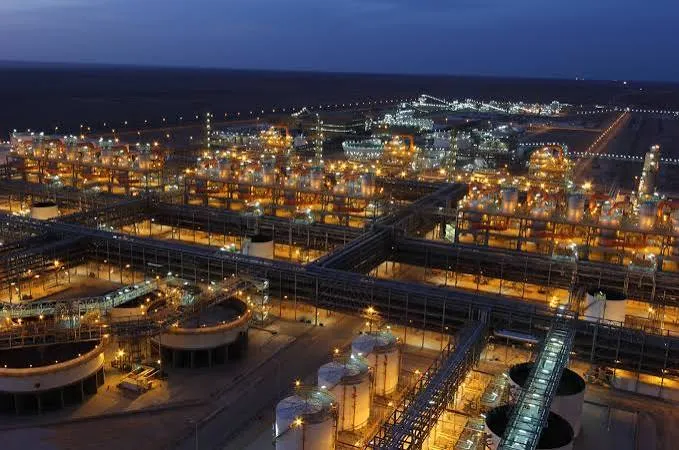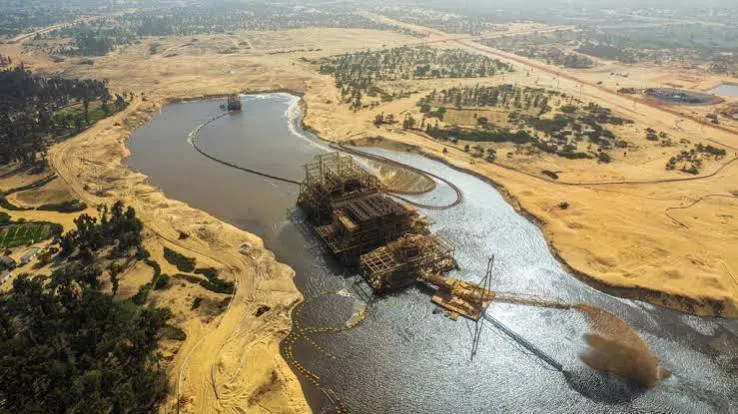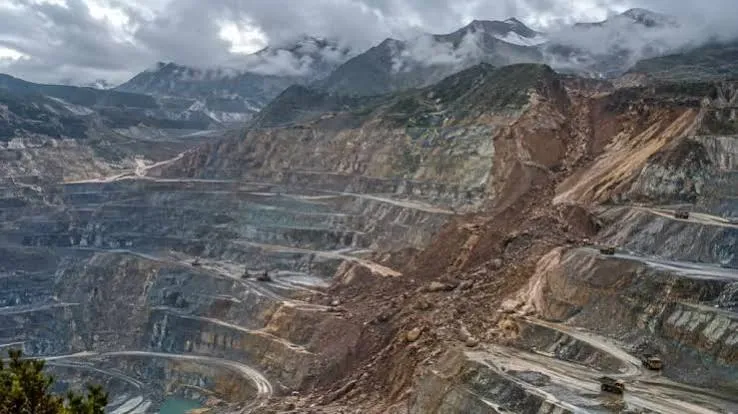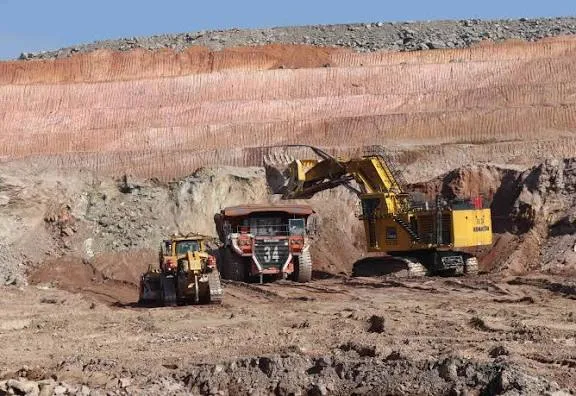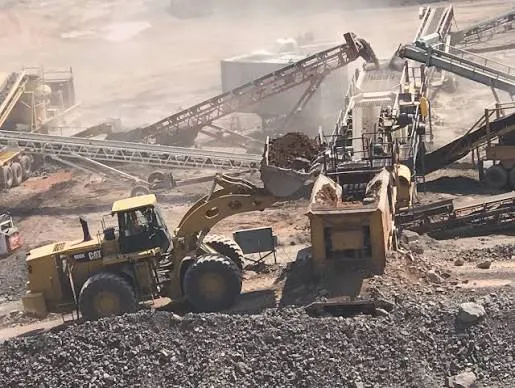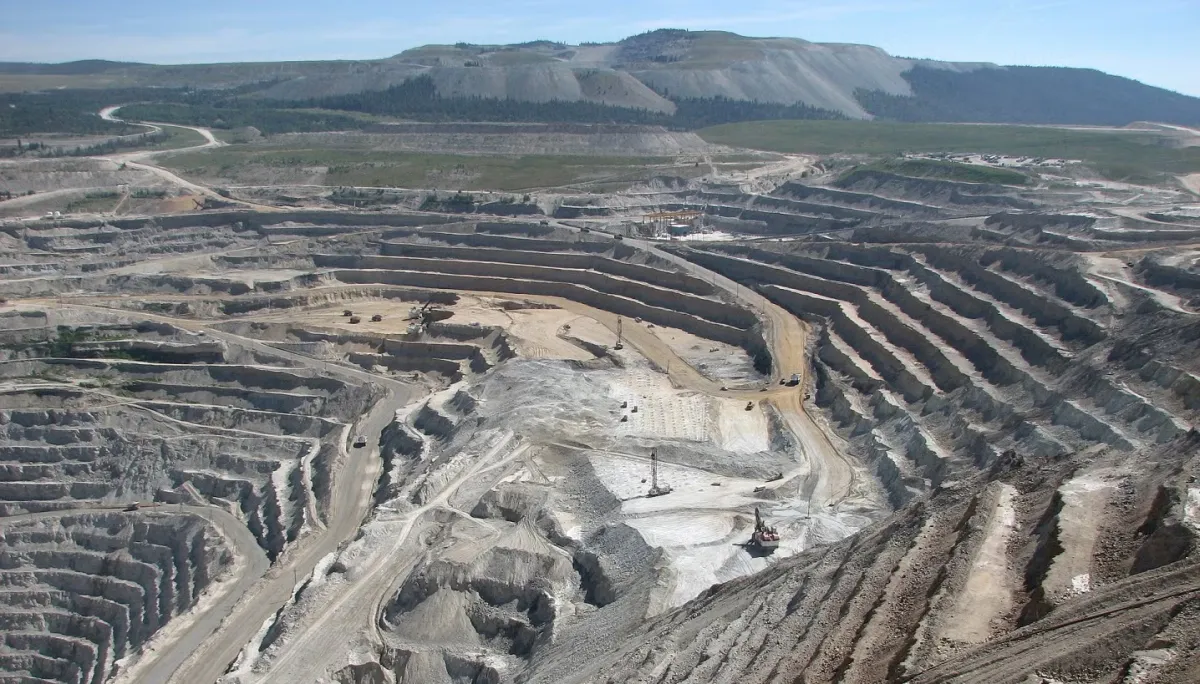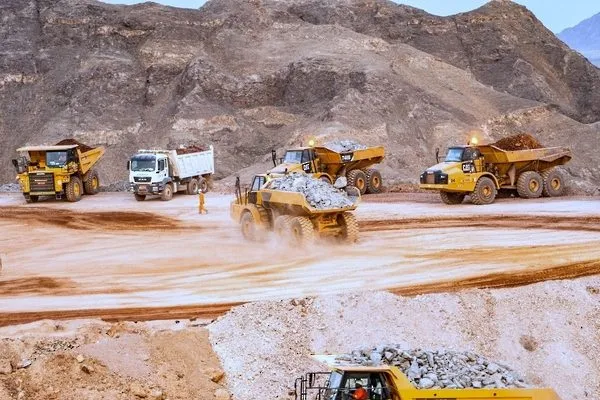
The shipment from Lasail, a site being redeveloped by state-owned Minerals Development Oman (MDO), signals a renewed focus on the country’s historic mining sector, which dates back thousands of years. The sultanate aims to capitalize on growing global demand for critical minerals like copper, which plays an essential role in renewable energy, electric vehicles, and infrastructure development.
MDO’s CEO, Matar bin Salem Al-Badi, called the milestone a pivotal moment for the nation’s mining industry.
“The export of the first shipment from the Lasail mine is a testament to our ability to transform challenges into tangible opportunities for growth,” Al-Badi said in a statement, noting that copper mining in the region dates back more than 3,000 years.
The Lasail mine is expected to produce high-quality copper concentrates with purity levels between 18% and 22%, according to MDO. Annual production is projected to reach 500,000 metric tons of copper ore, positioning the mine as a key contributor to Oman’s ambitions to develop its non-oil sectors.
Historic Industry Poised for Modern Growth
Copper mining in Oman has a long and storied history, dating back to ancient civilizations that extracted the metal from the rugged mountains of the Al Hajar range. But the industry saw a significant decline by the late 20th century as global competition and falling commodity prices forced mines to close.
The last copper mine in Oman ceased operations in 1994. Since then, the country has relied heavily on oil exports to fuel its economy, leaving the mining sector largely dormant. That changed in recent years as Oman’s government prioritized mining as part of a broader strategy to diversify its economy under its Vision 2040 plan, which aims to reduce dependence on hydrocarbons.
Lasail is the first in a series of copper mining projects being developed by MDO, which was established in 2016 to drive investment in Oman’s mineral wealth. The company is also advancing work at the Al-Baydha mine in Liwa, near Sohar, with plans to begin production between 2025 and 2026.
Together, the Lasail and Al-Baydha mines are estimated to hold 2.78 million metric tons of copper reserves, according to MDO. The first phase of the redevelopment project is expected to span four to five years.
Copper’s Growing Global Demand
Oman’s push to revive its copper industry comes as global demand for the metal continues to rise, driven by its critical role in energy transition technologies. Copper is a key component in electric vehicle batteries, wind turbines, solar panels, and power grids — all of which are expected to see significant growth in the coming decades.
The International Copper Study Group estimates that global copper demand will increase by 40% by 2030, creating a supply gap that countries like Oman are eager to fill. With its proximity to key markets in Asia, Europe, and Africa, Oman is well-positioned to become a regional hub for copper production and exports.
MDO is also pursuing additional copper exploration projects in Oman to further bolster reserves. Among the company’s most ambitious plans is the Mazoon project, described as the country’s largest integrated copper concentrate production initiative. The project aims to tap into new deposits and significantly increase Oman’s output in the coming years.
“Copper has always been part of Oman’s history, but it is also critical to its future,” said Al-Badi.
Shifting Away from Oil Dependence
The revival of copper mining is part of Oman’s broader strategy to diversify its economy amid fluctuating oil prices and global energy shifts. Like many Gulf nations, Oman is seeking to reduce its reliance on oil exports and build a more resilient economy centered on industries such as mining, logistics, tourism, and manufacturing.
Mining in particular is seen as a key pillar of economic growth. According to Oman’s Public Authority for Mining, the sector could contribute up to $2 billion annually to the country’s GDP by 2030, with copper, gold, and limestone being the primary drivers.
Analysts say Oman’s renewed focus on mining is well-timed as countries around the world scramble to secure supplies of critical minerals needed for the energy transition.
“Copper is not just a commodity; it’s a strategic resource,” said Ahmed Al-Mahrouqi, an economic analyst based in Muscat. “Oman’s efforts to revitalize its copper industry are in line with global trends, particularly as demand for green technologies accelerates.”
Future Outlook
As Oman positions itself to become a key player in the global copper supply chain, MDO is banking on a steady increase in production over the next decade. The company said it will continue to invest in exploration and infrastructure to ensure that Oman remains competitive in the international market.
In addition to its copper ambitions, MDO is exploring opportunities in other minerals such as gold, chromite, and gypsum. The company said it is also committed to sustainability, noting that its mining operations will adhere to strict environmental and social governance (ESG) principles.
For Oman, the return of copper exports is more than just a boost to its economy — it is a revival of a legacy industry that helped shape the nation’s history.
“Copper is woven into Oman’s identity,” Al-Badi said. “This isn’t just about mining; it’s about preserving a tradition while building a sustainable future.”