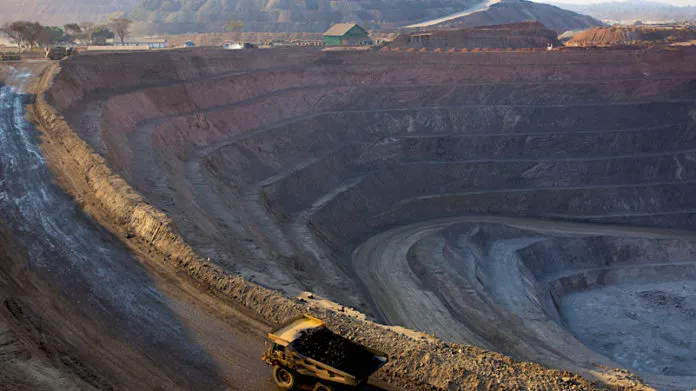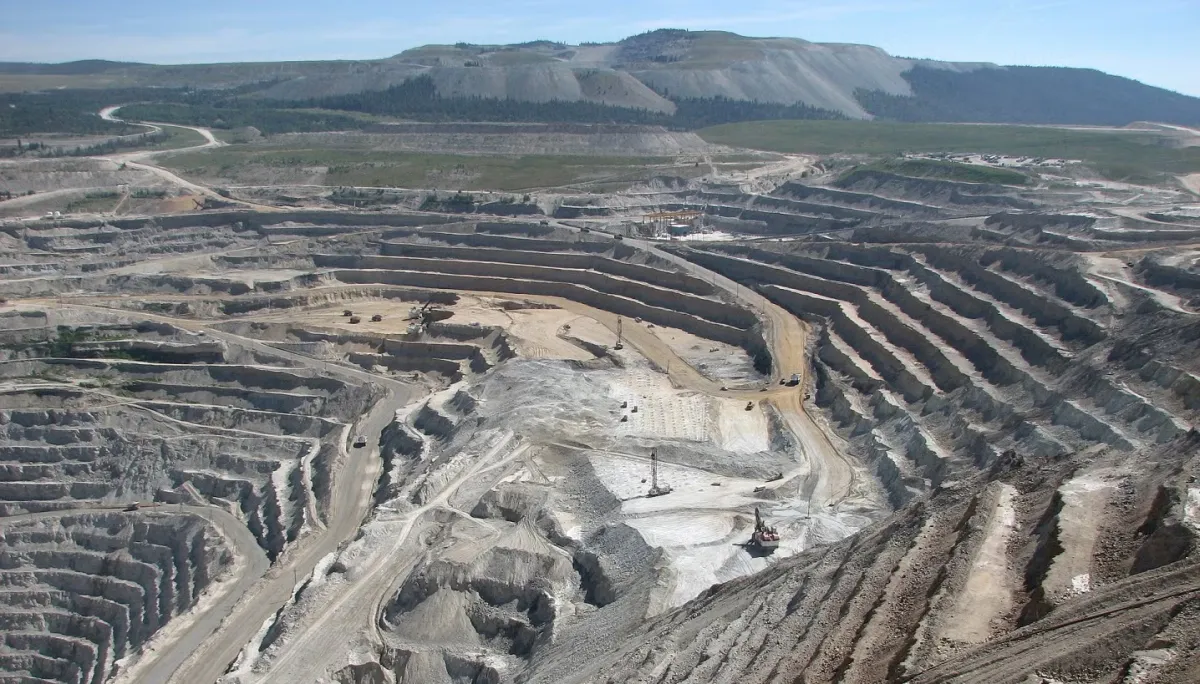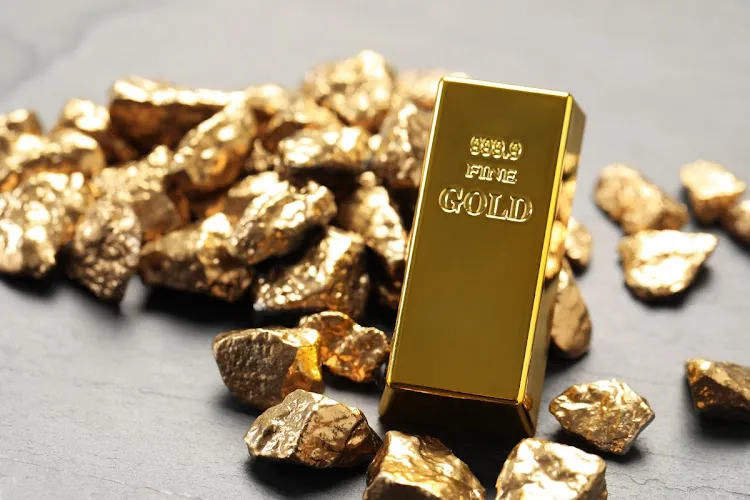
In March 2025, gold prices surged to unprecedented heights, surpassing the $3,000 per ounce mark for the first time in history. This remarkable surge has captivated investors and analysts alike, prompting a closer examination of the multifaceted factors propelling gold’s ascent and the broader implications for the global economy.
Geopolitical Tensions and Trade Policies
The immediate catalyst for gold’s rally can be traced to escalating geopolitical tensions and aggressive trade policies. The U.S. administration’s decision to impose substantial tariffs on key trading partners, including a 25% levy on steel and aluminum imports, ignited fears of a global trade war. This move was swiftly met with retaliatory measures, notably the European Union’s threat of a 200% tariff on U.S. alcoholic beverages. Such escalating tensions injected significant uncertainty into global markets, prompting investors to seek refuge in traditional safe-haven assets like gold.
Concurrently, the Middle East experienced a flare-up of hostilities, with Israeli airstrikes in Gaza resulting in substantial casualties. The human toll of these conflicts is immeasurable, but their economic impact is equally profound, contributing to market volatility and reinforcing gold’s appeal as a stabilizing investment.
Economic Underpinnings: Inflation Fears and Monetary Policies
Beyond geopolitical strife, economic factors have played a pivotal role in gold’s appreciation. The imposition of tariffs raised concerns about inflationary pressures, as increased costs of imports could lead to broader price increases across consumer goods. In an environment where inflation erodes purchasing power, gold has historically served as a hedge, preserving value amidst rising prices. Forbes
Monetary policy decisions further influenced gold’s trajectory. The Federal Reserve’s cautious stance on interest rate adjustments, amid signs of a cooling labor market and slowing inflation, contributed to a low-interest-rate environment. Such conditions diminish the opportunity cost of holding non-yielding assets like gold, enhancing its attractiveness to investors.
Institutional Dynamics: Central Bank Purchases and ETF Inflows
Institutional behavior has also been a significant driver of gold’s bull run. Central banks worldwide, seeking to diversify reserves and mitigate currency risks, have been active purchasers of gold. This trend reflects a strategic shift towards assets perceived as more stable amid geopolitical and economic uncertainties.
In parallel, gold-backed exchange-traded funds (ETFs) have witnessed substantial inflows. Investors, both institutional and retail, have increasingly turned to ETFs as a means to gain exposure to gold without the complexities of physical ownership. This surge in demand has provided additional support to gold prices, reinforcing its status as a preferred asset in times of uncertainty.
Global Implications: Currency Fluctuations and Emerging Market Strains
The ramifications of gold’s rise extend beyond financial markets. In emerging economies, particularly those heavily reliant on gold exports, the surge in gold prices has led to currency appreciations. For instance, the South African rand strengthened as gold reached new peaks, benefiting the nation’s economy but also introducing challenges related to export competitiveness.
Moreover, the allure of gold has had unintended consequences in countries like Ghana, where illegal gold mining has encroached upon cocoa-producing lands. This encroachment threatens the livelihoods of cocoa farmers and poses risks to global chocolate supply chains, underscoring the complex interplay between commodity markets and local economies.