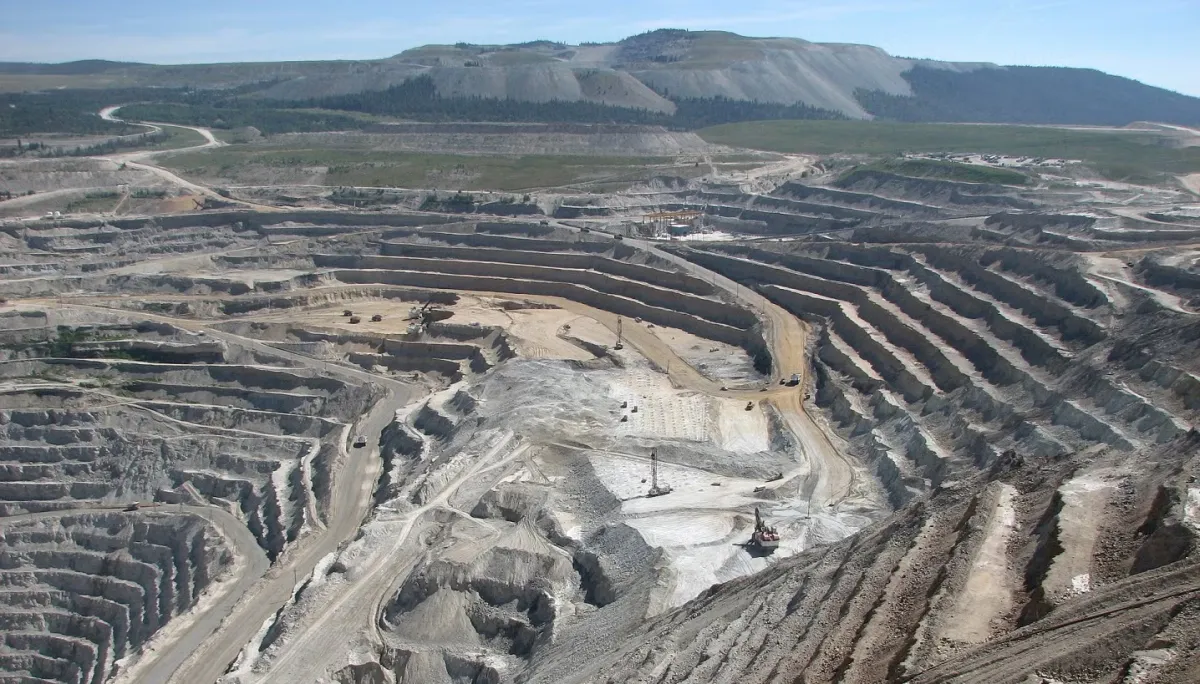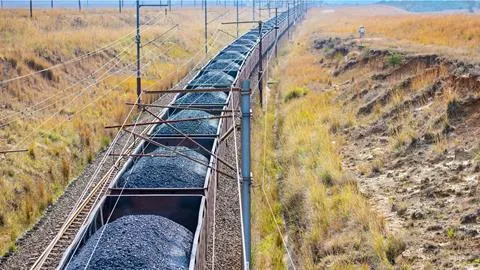
South Africa’s mining sector is recalibrating export plans as the government and Transnet work through a phased opening of freight rail access to private operators. The changes are being watched closely by producers of coal, iron ore and manganese, which have lost sales volumes over the past two years because of derailments, cable theft, locomotive shortages and weak port performance.
Mining executives have said logistics, not geology, has become the main constraint on output growth. The Minerals Council South Africa has estimated that rail and port failures have cost the industry tens of billions of rand in lost export revenue since 2022, with bulk commodity producers carrying the largest burden.
Coal and iron ore exports remain below capacity
At Richards Bay Coal Terminal, throughput has stayed below the port’s installed capacity of more than 90 million metric tons a year because the rail line has not been able to deliver sufficient volumes. South African coal exports have fallen well short of historical peaks, even though demand from India and other Asian buyers has remained present for mid-calorific material.
Iron ore shipments through Saldanha have also been affected. Kumba Iron Ore, majority owned by Anglo American, has repeatedly said logistics disruptions have limited its ability to move product from mines in the Northern Cape to port. Manganese producers face similar problems on the corridor to Gqeberha and other export points, even though South Africa remains the world’s largest manganese ore supplier.
Private participation moves from policy to implementation
The government has been moving toward third-party access on parts of the rail network, with officials arguing that competition and private investment are needed to restore volumes. Transnet has also been seeking partnerships in terminals and selected freight corridors. Details remain under discussion, including access charges, maintenance responsibility and how new operators would be integrated into dispatch systems.
For investors, the issue is whether reform can translate into measurable tonnage recovery. South Africa’s mining production has been constrained not just by logistics, but also by power supply interruptions, though electricity availability improved in parts of 2024 and 2025. Bulk exporters say rail reliability is now the larger variable for revenue planning.
Company responses and capital allocation
Large producers have adjusted by stockpiling, changing mine plans and reducing guidance where transport bottlenecks made output uneconomic. Some companies have shifted more material onto road transport, though trucking is costlier and raises safety and road-maintenance concerns. Junior miners have been hit harder because they have less ability to absorb high logistics costs.
- Main export corridors under pressure: Richards Bay coal line, Saldanha iron ore line, manganese routes from the Northern Cape
- Key affected companies: Thungela Resources, Exxaro, Kumba Iron Ore, African Rainbow Minerals and manganese exporters in the Kalahari basin
- Main constraints: theft, vandalism, locomotive availability, maintenance backlog and port inefficiencies
Transnet has said recovery plans include security upgrades, fleet rehabilitation and new operating models for network access. The pace of execution will determine whether South Africa can recover export share in bulk commodities where it still has large resource endowments but has lost reliability in delivery.