The Democratic Republic of Congo is reviewing how to manage cobalt exports after months of pressure on prices from excess supply and rising inventories, according to officials and industry participants. The discussion has drawn attention because the country accounts for roughly three-quarters of mined cobalt supply and remains the main source of feedstock for the electric-vehicle battery chain.
Congolese authorities have been weighing options that include tighter oversight of export volumes, stronger traceability requirements and possible temporary controls on shipments from selected operators, people familiar with the matter said. The government has said it wants to stabilize the market, improve revenue collection and push more processing activity into the country rather than allowing all material to leave in unrefined form.
Supply pressure after rapid mine expansion
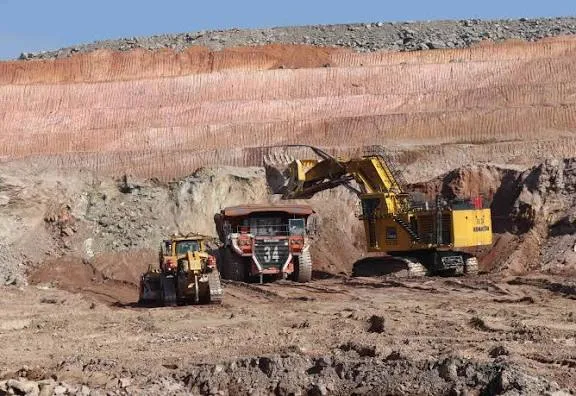
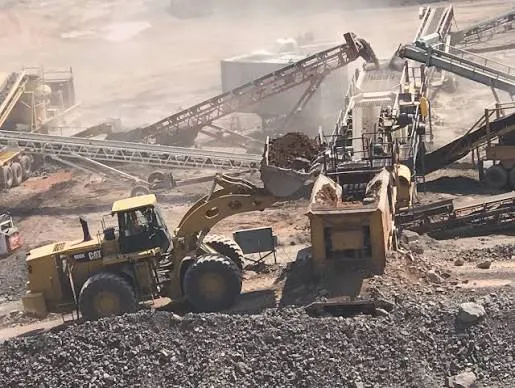
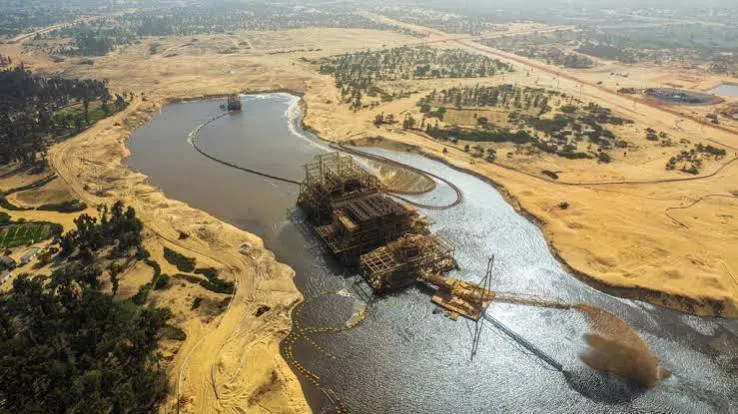
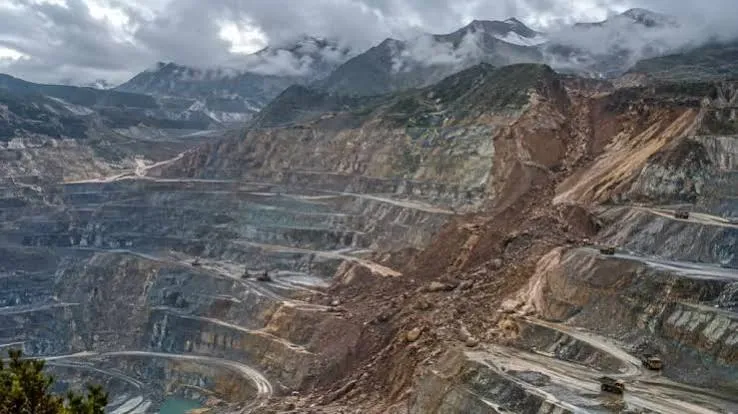
The cobalt market has been dealing with a sharp increase in output from large copper-cobalt mines in southern DRC, particularly in Lualaba and Haut-Katanga. CMOC Group expanded production at its Tenke Fungurume and Kisanfu operations, while Glencore continues to produce cobalt from Mutanda and Kamoto Copper Company. Eurasian Resources Group also remains a major producer through Metalkol RTR, which reprocesses tailings near Kolwezi.
That supply growth came at a time when battery chemistry choices shifted. A larger share of electric vehicles in China has moved toward lithium iron phosphate batteries, which use no cobalt. The result has been a weaker cobalt price environment than many miners expected two years ago.
Prices remain well below prior peaks
Benchmark cobalt prices remain far below the highs seen in 2022. Market assessments in 2025 and early 2026 showed cobalt hydroxide payables and refined metal prices under pressure as buyers delayed purchases and worked through inventories. Producers with copper-heavy revenue streams have been able to keep supplying cobalt as a by-product, even at lower prices.
For the DRC, the issue is broader than price. Cobalt is one of the country’s highest-profile critical minerals, and Kinshasa has been trying to convert geological dominance into more control over marketing, refining and fiscal returns. State miner Gecamines has taken a more active role in negotiations with international partners, while officials have continued to press for industrialization around battery precursor materials.
Processing ambitions and investor caution
Several projects aimed at local processing have been discussed over the past three years, including battery precursor plans linked to the DRC-Zambia electric battery value chain initiative. Progress has been slower than initially projected because of power constraints, transport costs, financing conditions and uncertainty over long-term demand for cobalt-rich chemistries.
- DRC share of global mined cobalt: about 70% to 75%
- Main producing province: Lualaba, with Kolwezi as the commercial center
- Major operators: CMOC, Glencore, ERG and joint ventures involving Gecamines
Any formal export curbs would be watched closely by refiners in China, which process most of the world’s cobalt chemicals. Traders and battery manufacturers are also assessing whether intervention could tighten availability of intermediate products such as hydroxide while leaving refined inventories relatively comfortable in the short term.
For now, the market is waiting for a clearer statement from Kinshasa on whether it will impose broad restrictions or use administrative tools to slow exports selectively. The outcome matters not only for cobalt pricing, but also for the DRC’s wider effort to capture more value from copper and battery-mineral production.