
Zambia Pushes Copper Expansion as New Projects Target 1 Million Tons a Year
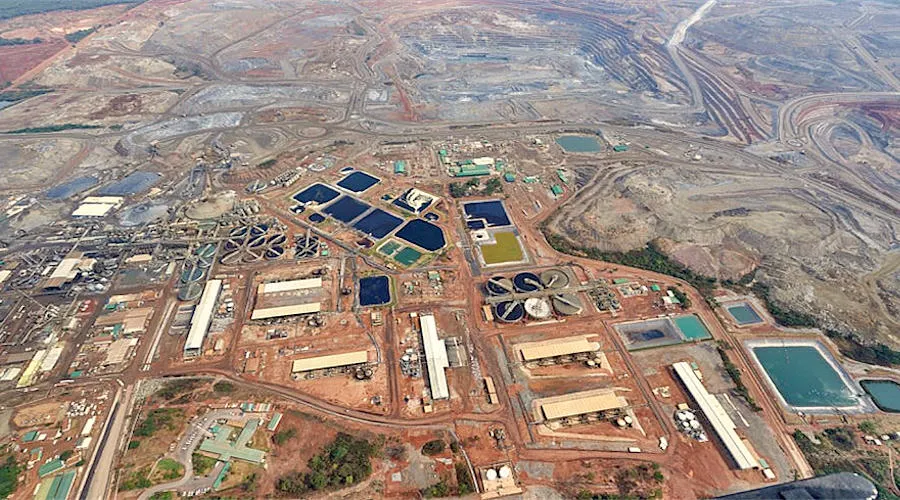
Zambia is pressing ahead with a copper growth strategy centered on mine expansions, revived assets and fresh exploration as the government targets production of 3 million metric tons a year over the longer term. In the near term, the more realistic benchmark for investors is a return to more than 1 million tons annually, compared with output of roughly 700,000 to 800,000 tons in recent years.
The country's largest producing belt remains the North-Western and Copperbelt provinces, where First Quantum Minerals, Barrick Gold, Vedanta Resources and International Resources Holding are linked to the main investment story. Officials have framed copper as the anchor of export earnings, fiscal recovery and grid-linked industrial demand.
Expansion plans at Kansanshi and Sentinel
First Quantum's Kansanshi S3 expansion is one of the most important projects in the pipeline. The company has said the project is designed to raise processing capacity and extend mine life at one of Africa's largest copper mines near Solwezi. Sentinel, also in North-Western Province, remains a major contributor to national output, though grades and recoveries continue to influence quarterly performance.
When fully ramped, the Kansanshi expansion is expected to add materially to Zambia's cathode and concentrate volumes. The project also supports contractor demand, equipment imports and local procurement in Solwezi and surrounding districts.
Konkola and Mopani back in focus
Vedanta has returned to control of Konkola Copper Mines after a prolonged dispute with the Zambian state. The company has pledged fresh investment to restore underground operations, improve shaft infrastructure and settle creditor obligations. Konkola's high-grade ore body has long been viewed as one of Zambia's most valuable copper assets, though execution risk remains after years of underinvestment.
Mopani Copper Mines is also under restructuring following the entry of Abu Dhabi-based International Resources Holding. The new shareholder has committed capital for mine development, smelter performance and working capital support. Mopani is central to employment and production in Mufulira and Kitwe.
Power and tax policy remain decisive
The production outlook still depends on electricity supply, particularly after drought conditions affected hydropower generation across Southern Africa. Zambia has had to manage load constraints while trying to reassure miners that expansion projects will have access to stable power. Import arrangements and new solar capacity are part of the response.
On the policy side, the government has adjusted mineral royalty treatment and has tried to improve the investment case after years of disputes over taxes and ownership. Officials have also promoted exploration licensing and geological data programs to attract juniors into frontier copper targets outside the traditional belt.
- Core mining regions: Copperbelt and North-Western Province
- Major companies: First Quantum, Vedanta, IRH, Barrick
- Main constraint: Power supply and project execution
- Strategic objective: Lift annual copper output above 1 million tons, then higher
With copper demand tied to grid investment, electric vehicles and industrial wiring, Zambia is trying to present itself as a stable source of long-life African supply. Whether that translates into sustained production growth will depend on how quickly mine owners convert announced capital programs into ore, concentrate and refined metal.