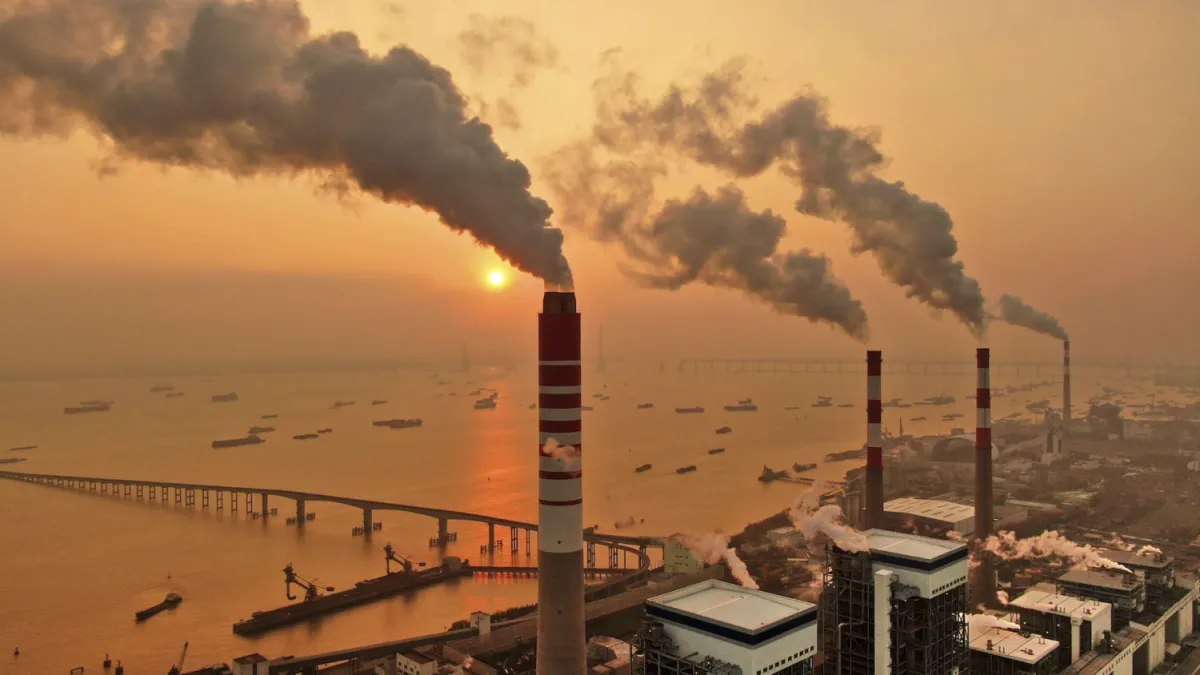
As domestic stockpiles swell and demand falters, Beijing is reportedly considering reinstating import controls on coal,
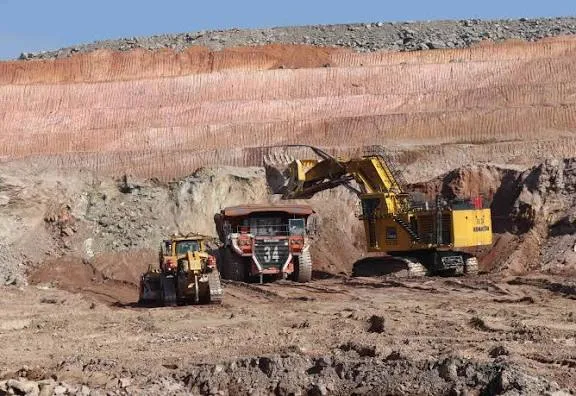
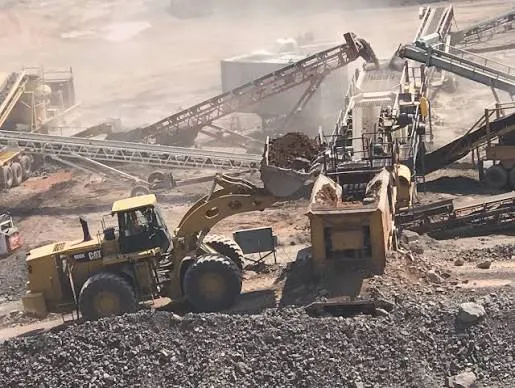
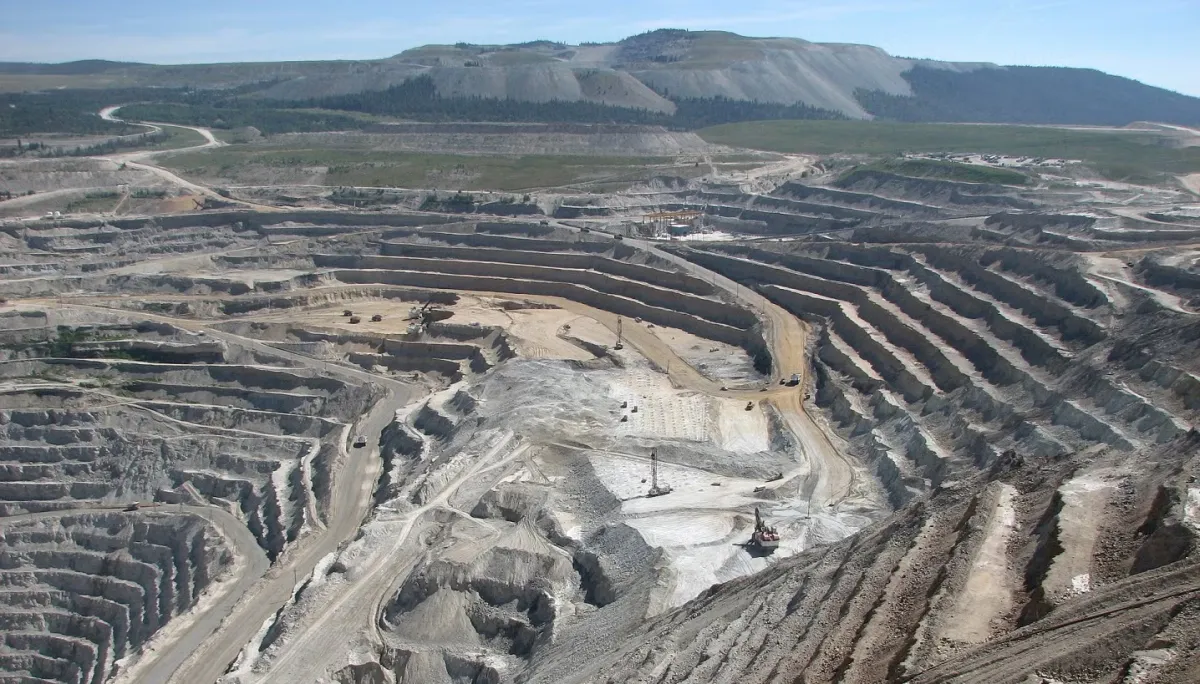
Over the past decade, the country has ramped up domestic production to ensure energy security, particularly after the supply chain disruptions of the early 2020s exposed vulnerabilities in its reliance on foreign imports. Today, China produces more coal than any other nation, with output reaching record levels in recent years.
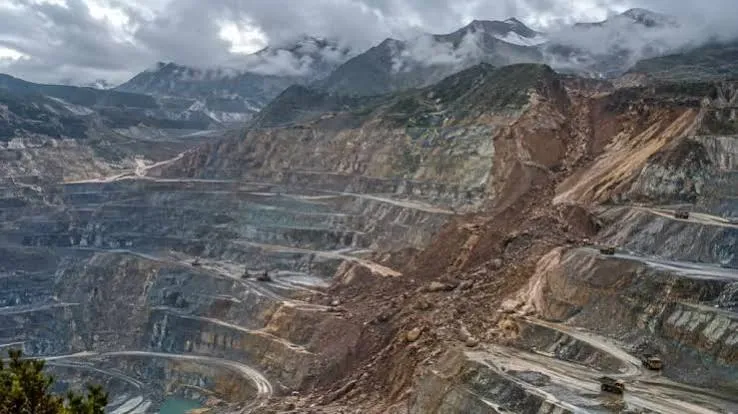
But this surge in supply has collided with weakening demand. Slower-than-expected economic growth, coupled with a concerted push toward renewable energy, has left storage facilities overflowing. Industry analysts estimate that coal inventories at major Chinese ports have reached their highest levels in a decade, driving down domestic prices and squeezing profit margins for local mining companies.
The oversupply has sparked concerns about the financial health of China’s coal sector, which employs millions and remains a critical pillar of the economy. In response, Beijing is weighing measures to protect its domestic industry, including potential restrictions on coal imports. Such a move would mark a significant shift in China’s energy policy, with far-reaching implications for both the domestic market and global trade.
Global Ripples
China’s decisions on coal imports have long reverberated across the globe. As the world’s largest coal consumer and importer, the country plays a pivotal role in shaping international markets. Any move to curb imports would hit major exporters like Indonesia and Australia particularly hard.
Indonesia, the world’s largest thermal coal exporter, ships nearly half of its output to China. A reduction in Chinese demand could deal a severe blow to its economy, which relies heavily on coal exports for revenue. Similarly, Australia, despite recent diplomatic tensions with Beijing, has seen a resurgence in coal trade with China over the past two years. A return to import restrictions could reignite economic pressures on Australian producers, who have only recently regained their footing in the Chinese market.
The impact would extend beyond these key suppliers. A decline in Chinese demand could depress global coal prices, affecting producers in Russia, South Africa, and the United States. For many coal-exporting nations, already grappling with the global transition to cleaner energy, this would add another layer of uncertainty to an already challenging landscape.
Domestic Dilemmas
The potential reintroduction of import controls highlights the broader challenges Beijing faces in managing its energy sector. On one hand, the government is committed to reducing coal consumption as part of its pledge to achieve carbon neutrality by 2060. On the other hand, coal remains a cornerstone of China’s energy mix, accounting for over 50% of its total energy consumption.
This tension is further complicated by economic realities. While China’s economy has shown signs of recovery, growth remains uneven. Sectors like construction and manufacturing—key drivers of coal demand—continue to underperform, leaving policymakers to navigate a complex web of competing priorities.
The oversupply issue also raises questions about the effectiveness of China’s energy policies. In recent years, Beijing has invested heavily in renewable energy infrastructure, aiming to reduce its reliance on fossil fuels. Yet, the persistence of coal as a dominant energy source underscores the challenges of transitioning an economy as vast and energy-intensive as China’s.
This is not the first time China has turned to import controls to manage its coal market. In 2020, Beijing imposed informal restrictions on Australian coal amid escalating political tensions, leading to a sharp decline in imports from one of its largest suppliers. The move disrupted global trade flows and forced Chinese buyers to seek alternative sources, including Indonesia and Russia.