Mine dewatering is often treated as an auxiliary service until water begins restricting access, damaging roads or threatening electrical infrastructure. By that stage, the operation is already paying for a planning failure.
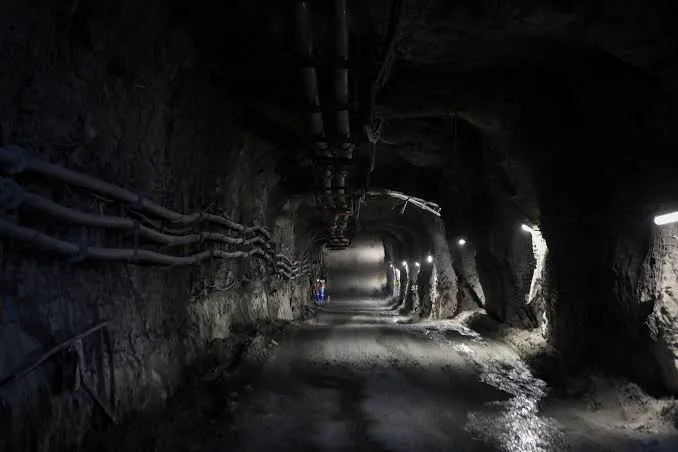
African mines encounter very different water conditions: seasonal stormwater entering an open pit, groundwater intersected as mining deepens, dirty water carrying abrasive solids and underground inflows that must be lifted through increasing head. No single pump configuration addresses all of them.
Integrated Pump Technology plans to present both Godwin diesel-driven units and Grindex electric submersible pumps at Electra Mining Africa 2026. The equipment announcement provides a useful distinction. Diesel-driven pumps offer mobility and independence from fixed electrical supply, while submersible electric units can support continuous duties underground or in sumps.
Selection should begin with the duty point: required flow, total dynamic head, fluid density, solids content and expected variability. A pump selected only by nominal capacity may operate inefficiently or fail prematurely when pipe losses and elevation are included.
System design must also consider redundancy. If a mine relies on one pump with no installed or rapidly deployable standby, a routine failure can become a production incident. Backup power and alternative discharge routes may be equally important.
Water quality changes maintenance requirements. Abrasive slurry accelerates wear; fine sediment can block components; corrosive water affects materials and seals. Pumps, hoses and pipelines should be matched to the fluid rather than selected as generic water-transfer equipment.
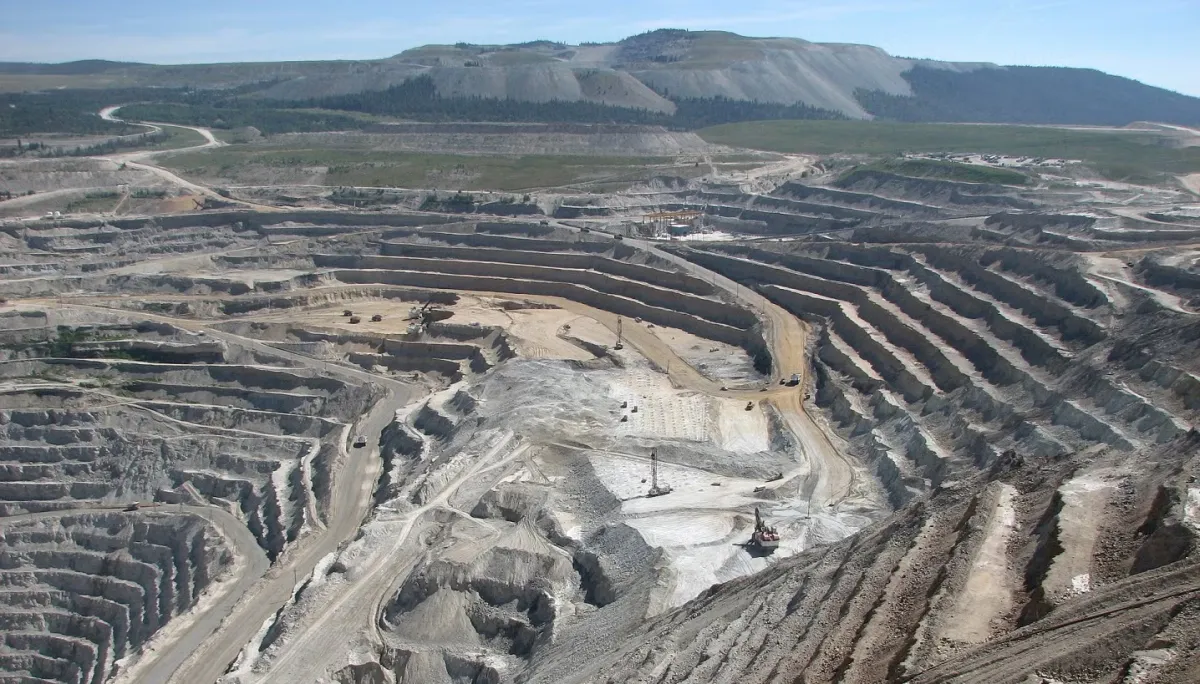
As an open pit deepens, the pumping distance and head generally increase. A system adequate during early mining may become inefficient later. Staged pumping stations, settling facilities and planned relocation should therefore be incorporated into the mine plan.
Local availability is decisive during emergencies. Integrated Pump Technology says it maintains regional distributors and support across Southern Africa, including the Copperbelt. Buyers should verify the precise stock, technicians and response commitments available in the country of operation.
Effective dewatering is not defined by how quickly pumps arrive after flooding. It is defined by whether the mine anticipated changing water conditions before production was exposed.
Water management must also satisfy environmental requirements. A mine cannot simply transfer dirty water beyond the pit boundary. Suspended solids, acidity and dissolved contaminants may require settling or treatment before discharge, adding capacity and monitoring obligations to the pumping design.
Energy use becomes increasingly important as water is lifted over greater vertical distances. Oversized equipment can operate inefficiently, while undersized pumps may run continuously without controlling the water level. Variable operating conditions may justify staged pumps or multiple units rather than one fixed installation.
Management should test the system before the wet season. That includes starting standby units, checking fuel or backup power, inspecting pipelines and confirming where water can legally and safely be discharged. The best emergency response is a dewatering plan that has already been operated under controlled conditions.
Water forecasts should be updated as geological information improves. Actual inflow measurements, pump performance and seasonal rainfall can then be compared with the design assumptions. This allows capacity to expand before a deeper mining phase exceeds the installed system.