As global industries race to secure critical minerals, China is tightening its grip on two of Asia’s most resource rich and volatile nations: Afghanistan and Pakistan. Beneath their rugged terrains lie copper, lithium, and rare earths essential for everything from electric vehicles to advanced weapons systems.
But turning geological promise into profit will require navigating Taliban rule, regional rivalries, and infrastructure gaps that have deterred Western investors for decades.
**Afghanistan’s Buried Treasure**
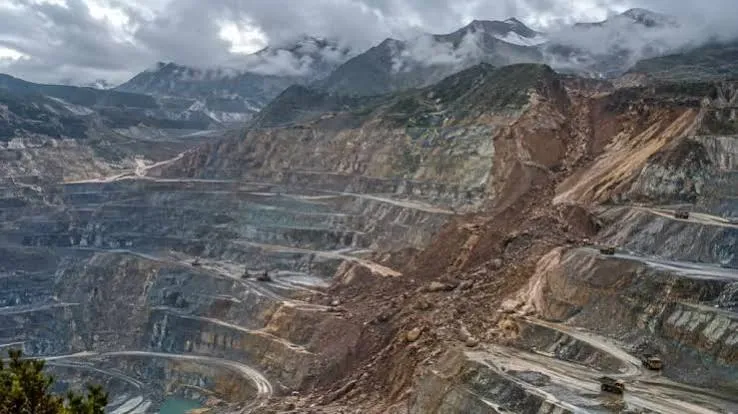
Afghanistan’s mineral wealth, estimated at up to $1 trillion, reads like a periodic table of modern necessity. The Mes Aynak copper deposit, 30 miles southeast of Kabul, holds 12.5 million metric tons of untapped ore—a prize China’s state-owned MCC sought to claim through a 2008 deal now frozen by insurgent threats.
The country’s lithium reserves, scattered across eastern provinces, could rival Bolivia’s, while iron ore deposits at Hajigak remain largely untouched since India’s Steel Authority abandoned operations in 2013.
Yet since the Taliban’s 2021 takeover, formal mining has given way to artisanal digs and shadowy deals. “The group is trying to centralize control, but local commanders still profit from informal extraction,” said a Kabul-based analyst, speaking anonymously. Beijing, cautiously engaging the regime, eyes long-term plays: State-run firms recently sampled rare earths in Helmand’s Khanneshin area, while diplomats float infrastructure-for-minerals swaps.
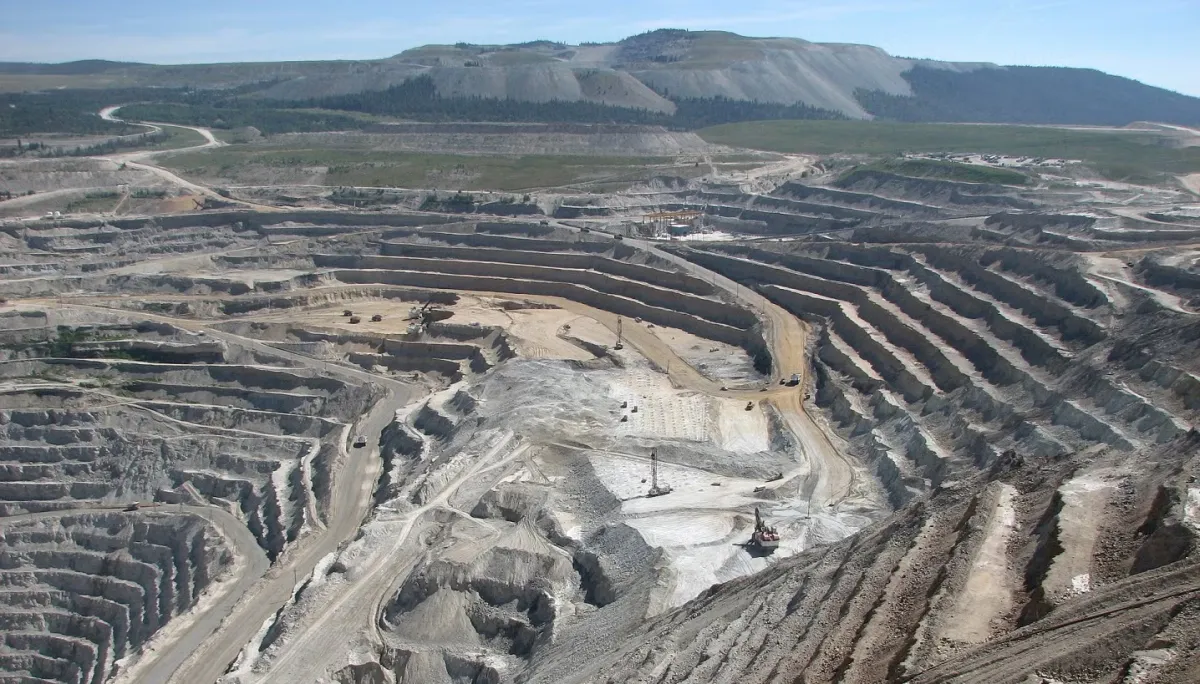
To the east, Pakistan offers China a more stable—but complex—partner. The Reko Diq copper-gold project in Balochistan, stalled by a decade-long legal feud, now moves forward under Barrick Gold and Pakistani state backing.
Beijing sees potential: Over 65% of Pakistan’s mining projects involve Chinese capital, from Thar Desert coal fueling power plants to gemstone ventures in Gilgit-Baltistan.
Last month, Islamabad approved five Chinese-funded “mining economic zones” aimed at processing ore domestically rather than exporting raw materials. “This isn’t just about extraction—it’s about building Pakistan into a downstream hub for batteries and electronics,” noted a Karachi-based trade adviser.
Risks Along the Belt and Road
China’s calculus hinges on security,a wager that’s already cost lives.
Attacks on CPEC projects by Baloch separatists have surged, prompting Beijing to press Islamabad for a 15,000-strong security force dedicated to Chinese assets. In Afghanistan, Taliban infighting and ISIS-K bombings complicate even preliminary surveys.
Geopolitical tensions simmer. India, excluded from CPEC, counters with its own Iran-backed Chabahar port pact to access Afghan minerals. Meanwhile, U.S. sanctions on Taliban officials have left Chinese firms as Kabul’s sole major foreign suitors—a leverage point Beijing cautiously exploits.
For now, profits remain elusive. Only 3% of Afghanistan’s mineral output is industrially mined, while Pakistan’s sector contributes just 2.3% to its GDP. But China’s patience reflects broader ambitions. “They’re playing a 30-year chess game,” said a former U.N. resource advisor. “When others see risk, Beijing sees vacuum—and an alternative to Australian lithium or Congolese cobalt.”
As renewable energy deadlines loom, the stakes grow. Whether Afghanistan and Pakistan can transform buried wealth into national dividends—without falling deeper into debt-driven dependency—remains the region’s billion-dollar question.