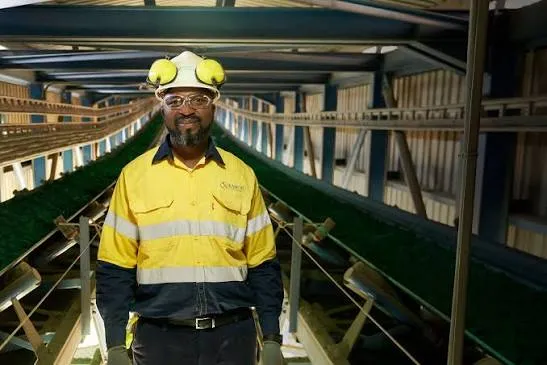
One of North America's most storied underground mines is about to reopen. Idaho's Bunker Hill Mining Corporation confirmed in late April 2026 that 93% of all pre-production activities have been completed, with a full mining equipment fleet mobilised on-site ahead of a planned June 2026 restart. For the equipment industry, the Bunker Hill restart is a case study in what it takes — technically and logistically — to bring a historic underground mine back into production.
The Bunker Hill mine, located in the Coeur d'Alene Mining District in northern Idaho, was once one of the world's largest silver and zinc producers. It operated for over a century before curtailing activities in the 1990s amid falling metal prices and environmental remediation requirements. Bunker Hill Mining Corporation acquired the asset and has spent several years working through permitting, environmental compliance and mine rehabilitation — a process that culminated in the current mobilisation phase.
What equipment does it take to restart a mine?
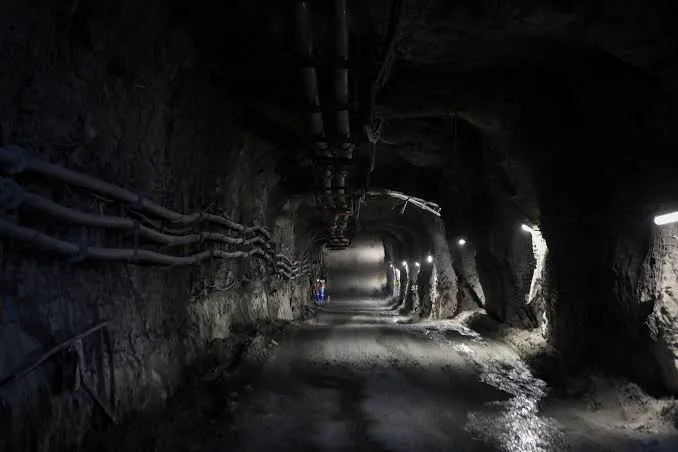
Restarting an underground mine after an extended care-and-maintenance period is a fundamentally different undertaking from a greenfield development. The underground workings already exist — but they need to be made safe, productive and compliant with modern safety standards before ore production can begin.
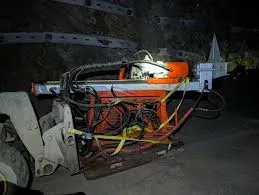
Ground support equipment is typically the first priority. After years of inactivity, tunnel walls and roofs require systematic inspection and rehabilitation. Rock bolters and shotcrete machines are deployed to reinforce ground conditions, with bolters installing steel mesh and rods into the rock mass and shotcrete machines applying concrete to exposed surfaces.
Ventilation systems require comprehensive overhaul. Modern underground safety standards demand far greater ventilation capacity than older mines were designed for — particularly as diesel equipment generates exhaust that must be continuously diluted and expelled. Variable speed fans, new ducting runs and air quality monitoring systems are standard requirements.
Underground haulage and loading equipment — including LHDs (load-haul-dump machines), haul trucks and conveyor systems — needs to be sourced, mobilised and commissioned. For Bunker Hill, this meant coordinating deliveries from multiple equipment suppliers, transporting machines into the underground workings via mine portals, and conducting commissioning trials before full production begins.
Dewatering equipment is another critical early requirement. Mines that have been idle for extended periods typically experience significant water ingress into old workings. High-capacity submersible pumps and surface dewatering systems must be operational before underground crews can safely access lower levels.
The logistics of mine restart
Mobilising a full equipment fleet to an underground mine is a significant logistical undertaking. Equipment must arrive in sequence — there is no value in delivering underground trucks before the haulage roads and ventilation are ready to support their operation. Project managers at mine restarts spend months coordinating equipment delivery schedules, transport routes, underground access constraints and commissioning timelines.
For remote mines, supply chain management is even more complex. Spare parts, consumables, fuel infrastructure and workshop facilities all need to be established before production equipment arrives. The 93% completion figure reported by Bunker Hill suggests that the company has worked through the bulk of these challenges — a significant achievement.
What the Bunker Hill restart means for the equipment sector
Mine restarts like Bunker Hill represent a specific and valuable market for equipment suppliers. Unlike greenfield developments — which are driven by long capital expenditure planning cycles — mine restarts tend to move quickly once a go-ahead decision is made, creating concentrated demand for equipment across multiple categories in a compressed timeframe.
For African mines facing similar restart or reactivation decisions — and there are many, particularly in the DRC, Zimbabwe and Zambia where mines have been idled for various reasons — the Bunker Hill experience offers a useful reference point. Modern safety requirements, updated ventilation standards and new digital monitoring capabilities mean that restarting a mine is not simply a matter of turning old equipment back on. It requires a comprehensive re-equipping programme and the logistics to execute it efficiently.
As silver and zinc prices recover, expect more historic mine restarts to follow globally — each one representing a concentrated equipment procurement opportunity for the suppliers ready to respond.