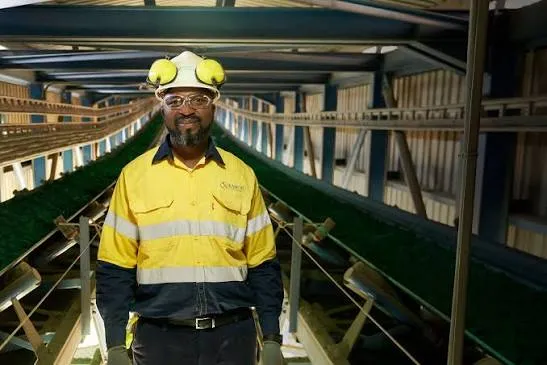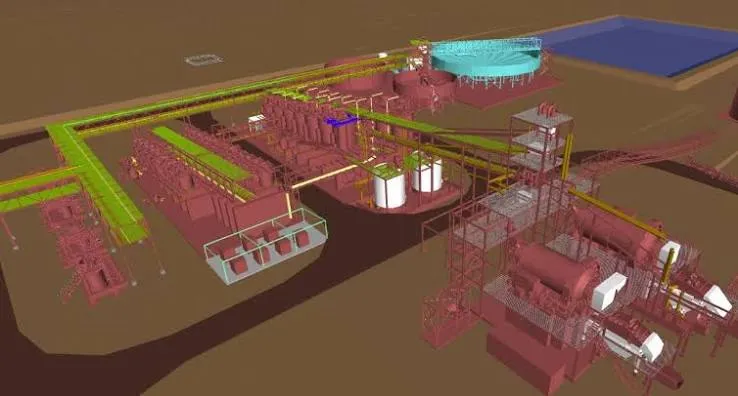
Kipushi is an underground zinc-polymetallic mine near Lubumbashi in Haut-Katanga province, DRC. It is owned 68 percent by Ivanhoe Mines and 32 percent by Gécamines. It returned to production in 2023–2024 after 30 years on care and maintenance and is now the world's highest-grade zinc mine in production, based on Ivanhoe's NI 43-101 technical reports.
Basic facts
Location: Near Kipushi town, Haut-Katanga province, approximately 30 km southwest of Lubumbashi and adjacent to the Zambia border.
Ownership: Ivanhoe Mines (68%), Gécamines (32%).
Primary metal: Zinc. By-products: copper, germanium, silver.
Status: Active production, having returned from care and maintenance that lasted from 1993 to 2023.
Ore grade (Big Zinc Zone): Approximately 26 percent zinc, based on Ivanhoe NI 43-101 technical reports. This is approximately 3–6 times higher than typical industrial zinc mine grades globally.
Why the grade matters
Exceptionally high zinc grades at Kipushi translate to significantly lower operating costs per tonne of zinc produced compared to average-grade zinc mines. At 26 percent zinc, far less rock needs to be mined, processed, and disposed of per unit of zinc output. This cost advantage positions Kipushi at or near the bottom of the global zinc cost curve — meaning it remains profitable at zinc prices that would make higher-cost mines uneconomic.
Germanium
Kipushi's germanium by-product is significant in the context of critical minerals policy. Germanium is listed as a strategic mineral under the DRC Mining Code and is subject to a 10 percent royalty. It is on the US and EU critical minerals lists due to supply concentration in China (which produces approximately 60 percent of refined germanium). Kipushi's germanium production adds a Western-accessible primary germanium source from a conflict-free, industrially certified operation.
Logistics and export
Zinc concentrate from Kipushi is trucked to Lubumbashi and exported via the Durban or Dar es Salaam corridors to smelters in Europe, Asia, or elsewhere. Copper concentrate follows the same route. Germanium intermediates are exported separately to processors.