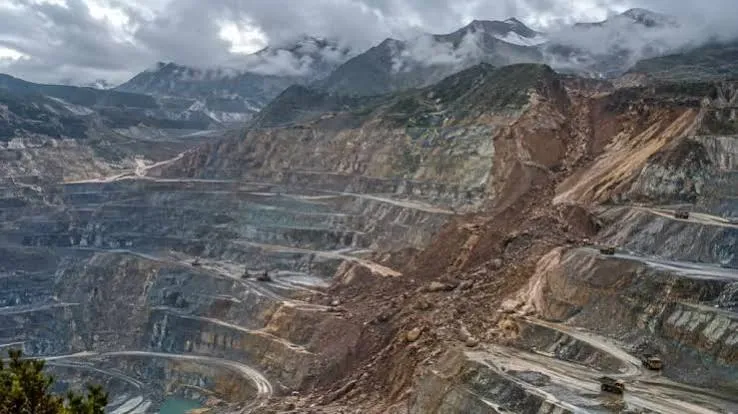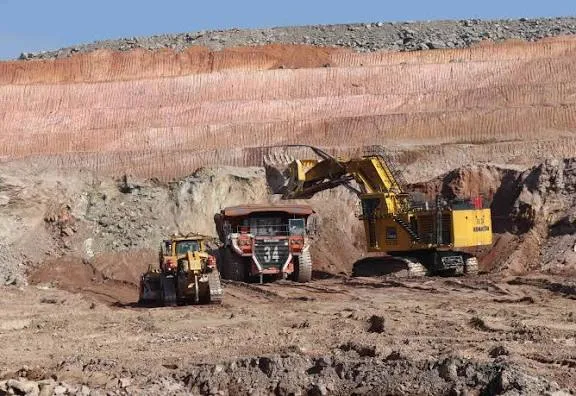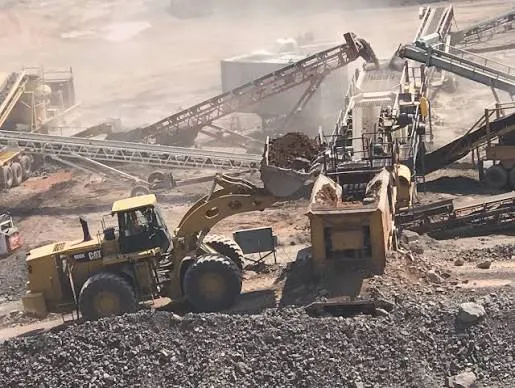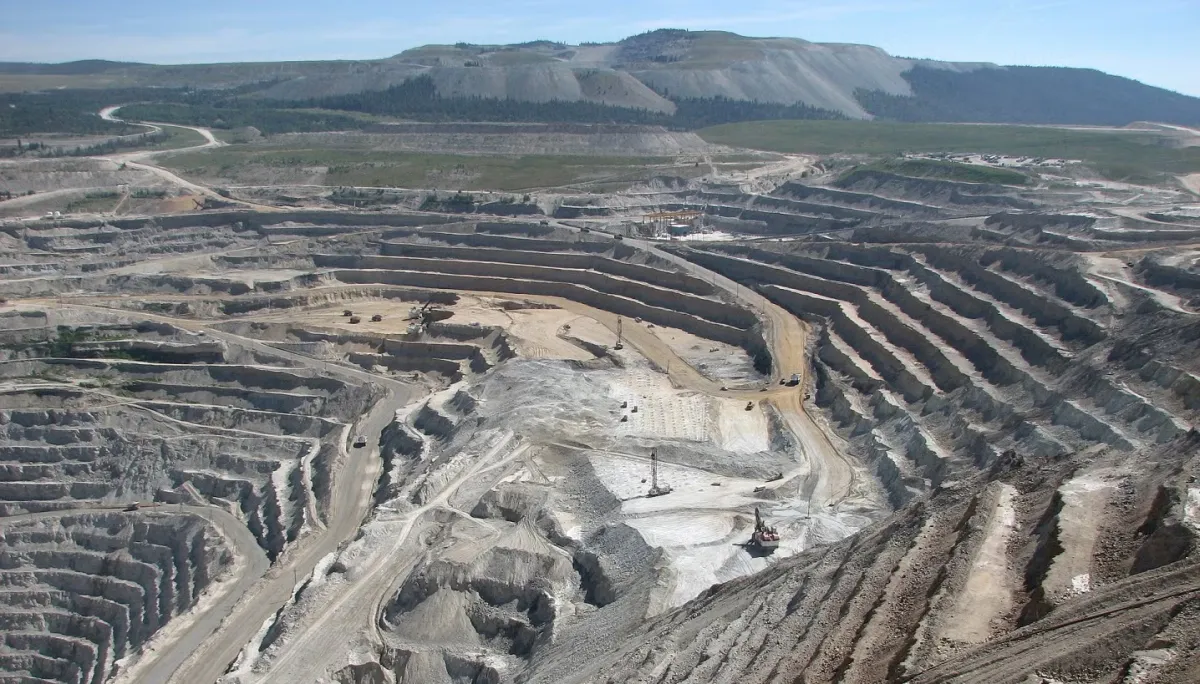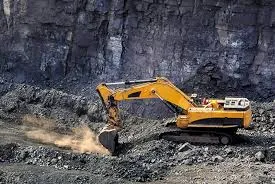
South Africa is the world's most mineralogically diverse country and home to the largest platinum group metal (PGM) reserves on Earth. It produces approximately 71% of the world's platinum, 36% of its palladium, 80% of its rhodium, and holds 87% of known global PGM reserves — all from the Bushveld Igneous Complex, one of the most extraordinary geological formations ever discovered. Beyond PGMs, South Africa is a major producer of gold, coal, iron ore, manganese, chrome, vanadium, titanium, diamonds, and — increasingly — critical minerals for the energy transition.
South Africa's mining sector has shaped the country's economy, its cities, and its history more profoundly than any other industry. Today it faces a complex transition: declining gold grades, ageing infrastructure, unreliable power supply from Eskom, and the need to evolve from a fossil fuel exporter toward a critical minerals supplier for the global clean energy economy.
South Africa Mining: Key Statistics (2024)
| MetricFigure | |
| Annual PGM production (4E) | ~4.0–4.5 million oz platinum equivalent |
| Annual gold production | ~100 tonnes (~3.2 million oz) |
| Annual coal production | ~240–250 million tonnes |
| Annual iron ore production | ~70–75 million tonnes |
| Annual manganese production | ~7–8 million tonnes |
| Annual chrome ore production | ~18–20 million tonnes |
| Mining's share of GDP | ~8–9% |
| Mining's share of exports | ~30–35% |
| Direct mining employment | ~450,000 people |
| Primary mining regulator | Department of Mineral and Petroleum Resources (DMPR) |
| Industry body | Minerals Council South Africa |
| Key legislation | Mineral and Petroleum Resources Development Act 2002 (MPRDA) |
The Bushveld Igneous Complex: The World's Most Important Mineral Deposit
The Bushveld Igneous Complex (BIC) is a layered mafic intrusion approximately 2.06 billion years old, covering approximately 65,000 km² across the North West, Limpopo, Mpumalanga, and Gauteng Provinces of South Africa. It is, by any measure, the most economically significant geological formation on Earth — hosting:
- 87% of the world's known PGM reserves (platinum, palladium, rhodium, iridium, osmium, ruthenium)
- ~75% of the world's known chrome reserves
- ~80% of the world's known vanadium reserves
- Significant nickel, copper, cobalt, and iron mineralisation
The BIC is divided into several distinct limbs — the Western Limb (primary platinum production), Eastern Limb (primary palladium production), Northern Limb (Platreef — palladium-platinum-nickel-copper, Ivanhoe Mines' development project), and Southern Limb.
Mining in the BIC primarily targets two reef horizons: the Merensky Reef (relatively shallow, historically the main platinum ore) and the UG2 Reef (deeper, higher PGM grades plus significant chrome). A third reef — the Platreef on the Northern Limb — is the target of Ivanhoe Mines' Platreef project, which could become the world's largest and lowest-cost PGM mine when developed.
Platinum Group Metals (PGMs)
Sibanye-Stillwater (JSE/NYSE: SSW)
Headquarters: Johannesburg, South Africa PGM production (SA ops): ~1.4–1.6 million oz 4E/year Key assets: Marikana (Rustenburg), Kroondal, Mimosa (Zimbabwe) Status: World's largest primary platinum and palladium producer
Sibanye-Stillwater is South Africa's most strategically important PGM company, formed through the acquisition of Lonmin (and its Marikana operations) in 2019. Marikana — the site of the 2012 police shooting of striking mineworkers (34 killed) — remains one of South Africa's most significant industrial operations and most painful social flashpoints. Sibanye employs approximately 84,000 people in South Africa, making it one of the largest private sector employers in the country. The company has faced severe margin pressure since 2022 due to weak PGM basket prices, driven by depressed palladium demand as automakers shift from petrol to electric drivetrains. PGM basket prices began recovering in early 2026, supporting improved margins.
Sibanye-Stillwater profile →
Anglo American Platinum / Amplats (JSE: AMS)
Headquarters: Johannesburg, South Africa PGM production: ~3.5–4.0 million oz 4E/year (world's largest platinum producer) Key assets: Mogalakwena (world's largest open-pit PGM mine), Amandelbult, Mototolo, Unki (Zimbabwe) Status: Majority-owned by Anglo American (79.2%)
Amplats is the world's largest primary platinum producer and the dominant company in the global PGM sector. Mogalakwena in Limpopo Province is the crown jewel — a large, bulk, open-pit operation with a resource base supporting over 50 years of production at current rates. Unlike most South African PGM mines (which are deep, narrow-reef underground operations with high costs and safety challenges), Mogalakwena's open-pit nature gives it structurally lower operating costs. Amplats processes its concentrate through its own smelters and base metals refineries at Waterval (Rustenburg) and Mortimer, producing market-ready refined platinum, palladium, rhodium, and base metal by-products.
Anglo American Platinum profile →
Impala Platinum / Implats (JSE: IMP)
Headquarters: Johannesburg, South Africa PGM production: ~2.8–3.2 million oz 4E/year Key assets: Rustenburg (SA), Marula (SA), Zimplats (Zimbabwe, 86.9%), Mimosa (Zimbabwe, 50%) Status: Major PGM producer across South Africa and Zimbabwe
Implats has diversified its PGM production across the Bushveld Complex (Rustenburg and Marula) and the Great Dyke in Zimbabwe (Zimplats and Mimosa), reducing its exposure to South Africa's labour and power risks. Rustenburg — the oldest major PGM operation in South Africa — is a deep, mechanised underground mine that has undergone significant restructuring and cost reduction since 2016.
Impala Platinum profile →
Northam Platinum (JSE: NHM)
Headquarters: Johannesburg, South Africa PGM production: ~600,000–700,000 oz 4E/year Key assets: Booysendal (Eastern Limb), Zondereinde (Western Limb), Eland Status: Growing mid-tier; significant capital investment programme
Northam is the fastest-growing PGM company in South Africa, having invested aggressively in mechanised, trackless mining at Booysendal — a modern underground mine with lower costs and better safety statistics than the older labour-intensive deep-level mines. Northam's debt-funded acquisition of shares in Implats (later partially unwound) and Royal Bafokeng Platinum illustrated its ambition to consolidate the PGM sector.
Gold: The Witwatersrand Legacy
South Africa was the world's largest gold producer for most of the 20th century, reaching a peak of over 1,000 tonnes per year in 1970. Today it produces approximately 100 tonnes per year — a fraction of its peak — as the Witwatersrand Basin gold reefs have been mined to extraordinary depths (up to 4,000 metres) and grades have declined.
The Witwatersrand Basin — a 350 km arc of Archean sedimentary rocks beneath Gauteng, the Free State, and the North West Province — is the source of approximately 50% of all gold ever mined in human history. The gold occurs in ancient conglomerate reefs (the Carbon Leader, Ventersdorp Contact, and Basal reefs) deposited approximately 3 billion years ago.
Sibanye-Stillwater Gold Operations
Key assets: Driefontein, Kloof, Beatrix (Free State) Production: ~550,000–600,000 oz/year (South Africa gold operations)
Sibanye operates the three deepest and most historically productive gold mines remaining in the Witwatersrand Basin. Driefontein and Kloof in Gauteng are deep-level operations mining below 3,000 metres; Beatrix in the Free State operates at somewhat shallower depths. These are challenging, high-cost operations with ageing infrastructure, but their ore reserves are substantial and Sibanye manages them as cash-generating assets.
Sibanye-Stillwater gold profile →
Gold Fields — South Deep (JSE/NYSE: GFI)
Location: West Rand, Gauteng Ownership: Gold Fields (100%) Production: ~330,000–400,000 oz/year (targeting 500,000 oz/year by 2026) Type: Underground, mechanised trackless Mine life: Through 2090+
South Deep is the world's deepest gold mine (up to 3,400 metres) and one of the world's largest undeveloped gold resources — approximately 30 million oz remaining. Gold Fields has redeveloped South Deep as a fully mechanised, trackless underground operation since 2017, moving away from the conventional labour-intensive methods used at other Witwatersrand mines. At $3,200/oz gold, the South Deep Phase 3 feasibility study (published Q1 2026) confirmed compelling project economics.
Gold Fields South Deep profile →
Harmony Gold (JSE/NYSE: HAR)
Key assets: Mponeng (world's deepest operating gold mine, 4,000m), Hidden Valley (PNG), Target, Joel, Doornkop Production: ~1.4–1.6 million oz/year globally; ~1.1 million oz from South Africa
Harmony is South Africa's largest gold miner by number of operations, with multiple deep-level mines in the Witwatersrand Basin and the Free State Goldfields. Mponeng — at 4,000 metres — is the world's deepest gold mine and a technological marvel, requiring sophisticated rock mechanics, refrigeration systems, and personnel logistics. Harmony acquired Mponeng from AngloGold Ashanti in 2020.
Harmony Gold profile →
AngloGold Ashanti (NYSE/JSE: AU)
South Africa operations now limited following portfolio restructuring. Retained Kibali (DRC) and West Africa portfolio. Previously one of the largest SA gold miners; sold its remaining South African deep-level assets to focus on lower-cost international operations.
DRDGold (JSE/NYSE: DRD)
Specialty: Gold recovery from surface tailings Ownership: 50.1% owned by Sibanye-Stillwater Production: ~170,000–180,000 oz/year from tailings retreatment
DRDGold specialises in extracting gold from historic mine tailings — the waste rock dumps and sand deposited over a century of Witwatersrand gold mining. The West Rand Tailings Retreatment Project and Ergo operations process billions of tonnes of historic tailings, recovering gold while simultaneously remediating the environmental legacy of the old mines. This is a growing and distinctive business model as ESG standards push for tailings rehabilitation.
DRDGold profile →
Coal: South Africa's Energy Backbone Under Pressure
South Africa produces approximately 240–250 million tonnes of coal per year, making it the world's fifth-largest coal producer and the largest in Africa. Coal provides approximately 80% of South Africa's electricity (through Eskom's fleet of ageing coal-fired power stations) and is also a major export commodity shipped through Richards Bay Coal Terminal (RBCT) — one of the world's largest coal export facilities.
Thungela Resources (JSE/LSE: TGA)
Thungela was spun off from Anglo American in 2021 as a pure-play South African coal producer — the largest export thermal coal company listed in South Africa. It operates multiple collieries in Mpumalanga and exports through RBCT.
Thungela Resources profile →
South32 (ASX/JSE/LSE: S32)
South32 was created in 2015 through BHP's demerger of its non-core assets, including South African manganese and energy coal operations. It operates Hotazel Manganese Mines (in the Kalahari Manganese Field) and holds interests in South African energy coal (Khutala). South32 also holds significant assets in Australia, Brazil, and South America.
South32 profile →
Iron Ore: Kumba and the Northern Cape
Kumba Iron Ore (JSE: KIO) — Anglo American subsidiary
Key assets: Sishen Mine (Northern Cape — one of the world's largest open-pit iron ore mines), Kolomela Mine (Northern Cape) Production: ~35–40 million tonnes/year Export route: Saldanha Bay, via 860 km Sishen-Saldanha railway (Transnet)
Sishen Mine — located near Kathu in the Northern Cape — is one of the world's largest open-pit iron ore mines, with a resource base supporting decades of future production. Kumba ships all its iron ore through Saldanha Bay on the West Coast, via the dedicated Sishen-Saldanha railway. Transnet's rail and port infrastructure limitations have constrained Kumba's output in recent years.
Kumba Iron Ore profile →
Vanadium: South Africa's Hidden Critical Mineral
South Africa holds approximately 80% of the world's known vanadium reserves, concentrated in the Bushveld Igneous Complex (as vanadium titanomagnetite deposits) and produces approximately 36% of global vanadium output.
Vanadium is used primarily in steel strengthening alloys, but its fastest-growing application is in vanadium redox flow batteries (VRFBs) — large-scale grid energy storage systems that are gaining commercial traction as a complement to lithium-ion batteries for utility-scale storage. A single 100 MW/400 MWh VRFB installation uses approximately 1,000 tonnes of vanadium electrolyte.
Bushveld Minerals (AIM: BMN) is the primary listed vanadium producer in South Africa, operating the Vametco and Mokopane vanadium mines.
African Rainbow Minerals (ARM) (JSE: ARI) also produces vanadium through its Nchwaning manganese operations and Beeshoek iron ore.
African Rainbow Minerals profile →
The Energy Crisis: Mining's Biggest Challenge
South Africa's mining sector faces a structural challenge that no amount of geological endowment can overcome in the short term: an electricity supply crisis caused by the progressive collapse of Eskom's ageing coal fleet.
Load shedding — rolling blackouts of 4–12 hours per day — has been endemic since 2015 and reached a peak of Stage 6 (10+ hours per day) in 2023. For deep-level gold and PGM mines, electricity is the primary operating cost and the primary constraint on ventilation, pumping, and hoisting.
The mining sector's response has been to invest heavily in own-generation:
- Sibanye-Stillwater: multiple solar PPA agreements and wheeling arrangements
- Implats: 100 MW solar project at Rustenburg
- Gold Fields: solar and battery storage at South Deep
- Several mines applying for Section 34 Independent Power Producer licences directly
South Africa's electricity grid is gradually improving as new renewable energy capacity (solar, wind) from the REIPPP programme comes online and Eskom's operational performance improves under a new board (from 2023). However, for deep-level mining, the structural energy deficit remains a significant headwind to production growth.
Mining Equipment and Services: South Africa's Upstream Sector
South Africa has the most developed mining equipment, technology, and services (METS) sector in Africa, serving not only the domestic market but also exporting to mines across the continent.
- Master Drilling (JSE: MDI) — raiseboring and shaft sinking specialist operating across Africa and internationally
- Multotec — mineral processing equipment (screens, cyclones, spirals) manufactured in South Africa and exported globally
- BME (Bulk Mining Explosives) — explosives and blasting services for open-pit and underground mines across Africa
- Bell Equipment (JSE: BEL) — articulated dump trucks and mining equipment manufactured in Richards Bay, South Africa
- Barloworld Equipment — Caterpillar dealer for mining equipment across southern and eastern Africa
- Fraser Alexander — tailings management, plant maintenance, and contract mining services
- SRK Consulting — globally respected independent mining consultancy headquartered in Johannesburg
Browse South Africa mining equipment and services companies →
Minerals Council South Africa
The Minerals Council South Africa (formerly the Chamber of Mines, rebranded 2018) is the primary industry association representing companies that account for approximately 90% of South Africa's mineral production. CEO: Mzila Mthenjane. The Council publishes an authoritative annual Facts and Figures report and engages with government on the MPRDA, Mining Charter, and mine health and safety legislation.
Minerals Council South Africa profile →
All South Africa Mining Companies in the AMN Directory
- Sibanye-Stillwater →
- Anglo American Platinum →
- Impala Platinum →
- Gold Fields →
- Harmony Gold →
- AngloGold Ashanti →
- African Rainbow Minerals →
- DRDGold →
- Thungela Resources →
- South32 →
- Kumba Iron Ore →
- Exxaro Resources →
- Northam Platinum →
- Sylvania Platinum →
- Afrimat →
- Master Drilling →
- Multotec →
- BME Explosives →
- Bell Equipment →
- Barloworld Equipment →
- Fraser Alexander →
- SRK Consulting →
- Hatch →
- Mintek →
- Standard Bank →
- Minerals Council South Africa →
- Cementation Murrob →
View all South Africa companies →
Frequently Asked Questions
Is South Africa still the largest gold producer in Africa? No. South Africa was the world's largest gold producer for most of the 20th century but now produces approximately 100 tonnes per year — ranking second or third in Africa behind Ghana (~130 tonnes) and sometimes Mali. South Africa's peak production was over 1,000 tonnes per year in 1970.
What is the Bushveld Igneous Complex? The Bushveld Igneous Complex (BIC) is a 65,000 km² layered geological intrusion in northern South Africa containing 87% of the world's known platinum group metal reserves, 75% of global chrome reserves, and 80% of global vanadium reserves. It is the most economically significant geological formation on Earth and the source of South Africa's PGM, chrome, and vanadium industries.
Why are South African gold mines so deep? The Witwatersrand Basin gold reefs were formed approximately 3 billion years ago in ancient river channels. Over geological time, these reefs tilted and were buried by younger rock. Surface and shallow reef was mined first; the only remaining economically significant gold is at depths of 2,000–4,000 metres. South Africa has developed the world's deepest hard-rock mining technology as a result.
What is load shedding and how does it affect mining? Load shedding is South Africa's system of rolling electricity blackouts used by Eskom to manage supply shortfalls. For mining, electricity is the primary operating cost for ventilation, dewatering, hoisting, and processing. Severe load shedding (Stage 6 = 10+ hours/day) has directly reduced gold and PGM production and increased operating costs. Mines have responded by investing in own solar, battery, and diesel backup generation.
What is the Mining Charter in South Africa? The Mining Charter is a transformation policy instrument under the MPRDA requiring mining companies to achieve prescribed levels of Black Economic Empowerment (BEE) ownership (26% historically, raised to 30% in the 2018 charter), employment equity, procurement from BEE suppliers, and community development. Mining Charter compliance is a condition of mining licence renewal in South Africa.
What critical minerals does South Africa produce? South Africa is a major or dominant producer of: platinum (~71% of world supply), palladium, rhodium (~80% of world supply), chromite (~44% of world supply), manganese (~20%), vanadium (~36%), titanium mineral sands, and is an emerging producer of rare earth elements (Phalaborwa, Rainbow Rare Earths).
Sources: Minerals Council South Africa Facts and Figures 2024; Sibanye-Stillwater Annual Report 2024; Anglo American Platinum Annual Report 2024; Impala Platinum Annual Report 2024; Gold Fields Annual Report 2024; Harmony Gold Annual Report 2024; USGS Minerals Yearbook 2024; World Platinum Investment Council 2024; Department of Mineral and Petroleum Resources Annual Report 2024.
Last updated: May 2026. Africa Mining Network updates all country guides annually.