LOHUM has begun producing lithium ore from Zimbabwe, extending the Indian company’s business from battery recycling and refining into primary mineral extraction.
The company dispatched its first tranche of ore from assets in Matabeleland South Province in September. LOHUM described the delivery as the first output from its Zimbabwe operations and the beginning of its overseas lithium-mining activities.
It has secured rights to ten spodumene-bearing blocks covering approximately 1,100 hectares. The company estimates that the properties contain between 30 million and 40 million tonnes of ore and holds an option to acquire as many as 90 neighbouring blocks.
These figures remain company estimates. LOHUM has not publicly provided, alongside the announcement, an independently verified resource statement, detailed production schedule or development budget. Its estimate of approximately $7 billion in contained value should therefore be treated as an in-situ calculation rather than the commercial value of a developed project.
From Zimbabwean ore to an Indian battery supply chain
The investment moves LOHUM upstream from its established recycling, refining and battery-material activities. Direct access to spodumene could give it greater control over raw-material supply as India seeks to expand domestic electric-vehicle and energy-storage manufacturing.
For Zimbabwe, however, the more consequential part of the announcement is LOHUM’s intention to develop concentration capacity inside the country.
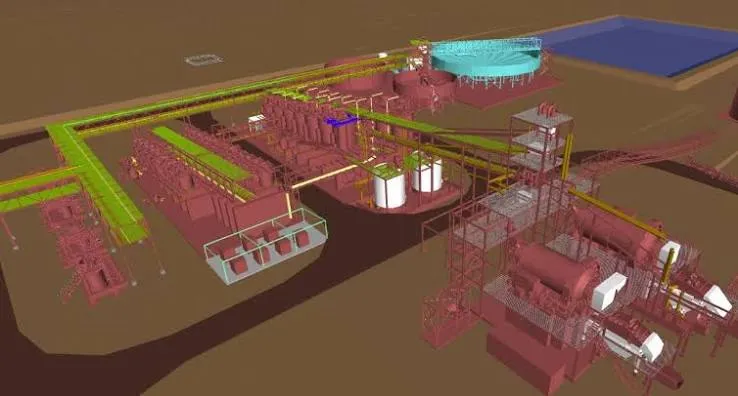
The company said nearby spodumene concentration facilities would provide initial processing options while it builds its own capacity. It has not disclosed the planned plant size, investment cost or commissioning timetable.
That commitment is particularly relevant because Zimbabwe has progressively restricted the export of unprocessed minerals. A ban introduced in February 2026 extended the country’s beneficiation policy to raw minerals and lithium concentrates, subject to government authorisation. LOHUM’s announcement refers to the dispatch of ore but does not specify its volume, destination or whether the material was delivered to a domestic processing facility. It should not yet be described as a raw-ore export.
The distinction determines where the economic value will be created. Mining and concentrating spodumene in Zimbabwe would retain more employment, services and processing expenditure than extracting ore for treatment abroad. Further refining into lithium chemicals would capture a larger share of the battery-material value chain, but would require considerably more capital, power, water, technical expertise and supporting infrastructure.
LOHUM’s first dispatch establishes that physical activity has begun. The scale of the operation will become clearer when the company publishes a verified resource assessment, production targets and firm details for its Zimbabwean processing facilities.