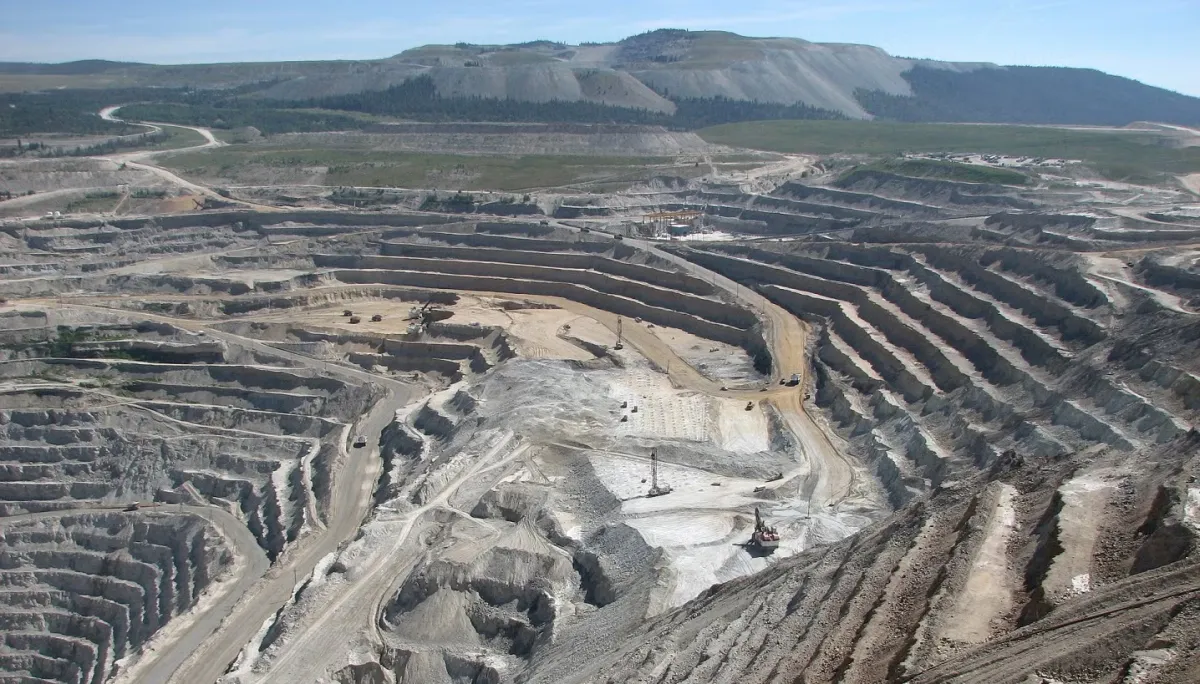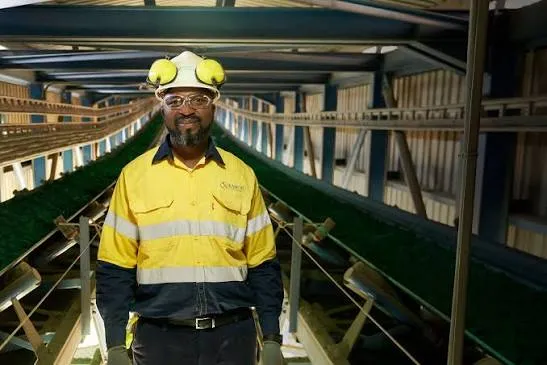
The Democratic Republic of Congo has removed tax seals from Glencore’s Kamoto Copper Company offices, ending the most visible phase of a confrontation that had begun to threaten more than the daily administration of one of the country’s largest copper and cobalt operations.
The order came from the finance ministry after discussions between the government and Glencore resumed. Production had continued throughout the intervention, and the company says it remains in talks with the authorities. But the offices were reopened without the underlying tax dispute being resolved. Congo’s tax authority alleges that Kamoto owes the state billions of dollars; Glencore contests the claim.
That makes the reversal more consequential than an administrative retreat. It is an early indication that Kinshasa recognises the cost of enforcing disputed revenue claims through measures that can appear unpredictable or disproportionate.
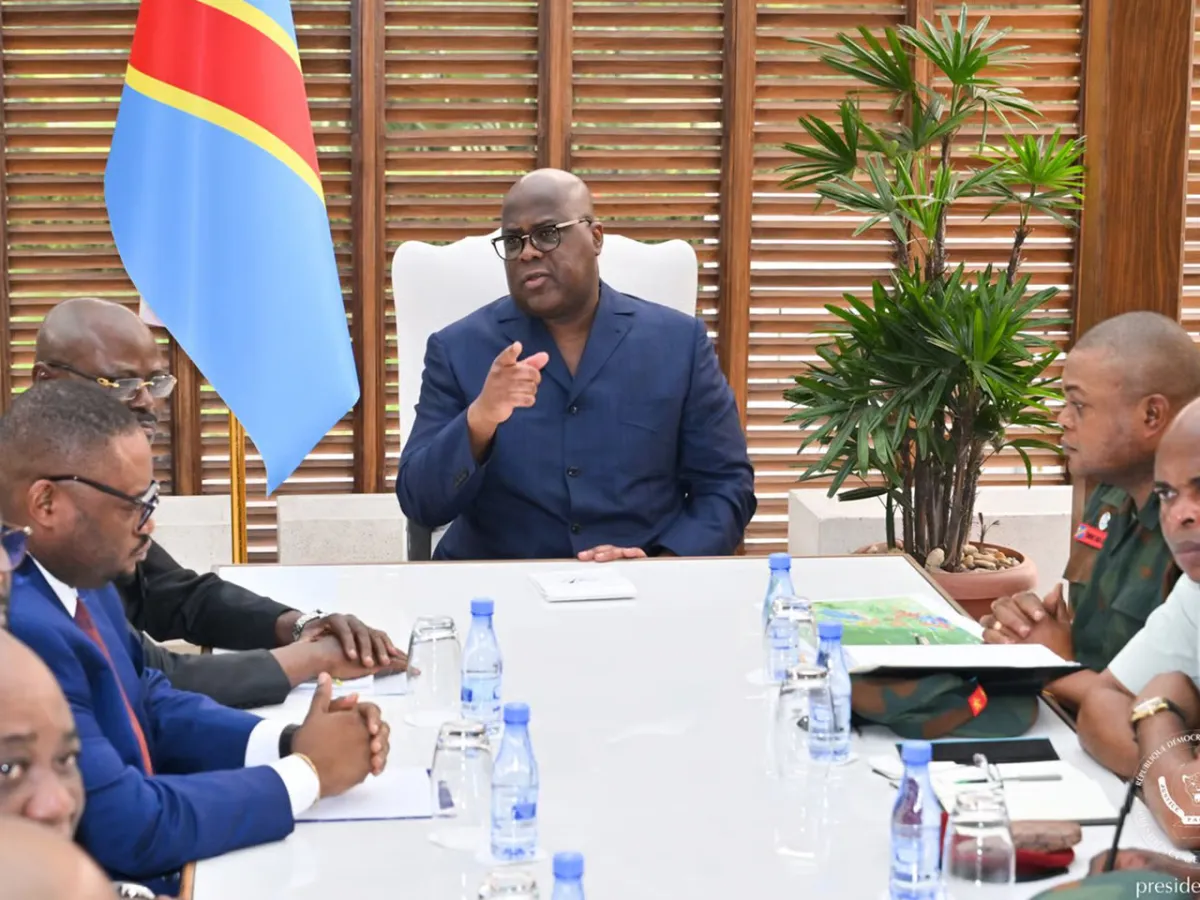
President Félix Tshisekedi had warned that repeated bank-account seizures, the sealing of company premises and unexpected tax demands were raising operating costs and damaging confidence in Congo’s mining sector. He instructed the relevant ministries and revenue agencies to treat coercive measures as exceptional, legally justified and proportionate, while prioritising dialogue and conciliation.
The intervention exposes a difficult balance at the centre of Congo’s mining strategy.
The state has legitimate reasons to demand more from an industry responsible for most of its export revenue. An October 2025 audit found that mining companies had underreported $16.8 billion in revenue between 2018 and 2023, allegedly depriving local development funds of more than $50 million. Several major operators disputed the findings or maintained that they had complied with the mining code.
Weak enforcement would reinforce the longstanding perception that Congo produces enormous mineral wealth without capturing a sufficient share of its value. Enforcement that investors regard as inconsistent, however, can increase financing costs, delay transactions and discourage precisely the long-term capital the government says it wants.
Kamoto makes that tension unusually visible.
The operation is part of a proposed transaction between Glencore and the Orion Critical Mineral Consortium, a partnership involving Orion Resource Partners, the US International Development Finance Corporation and Abu Dhabi’s ADQ. Under a non-binding memorandum, Orion could acquire 40% of Glencore’s interests in Kamoto and Mutanda Mining. The assets were assigned an implied combined valuation of approximately $9 billion. Glencore
The distinction is important: Orion has not committed to investing $9 billion directly into Kamoto. The figure represents the valuation attached to the two assets in the prospective minority-stake transaction.
If completed, the deal would give US-backed capital a substantial commercial position in two major Congolese copper and cobalt operations. It forms part of Washington’s effort to establish supply chains outside China’s dominant mining and processing networks. For Kinshasa, the transaction could demonstrate that its minerals partnership with the United States is translating into significant investment.
But the proposed deal also makes regulatory predictability harder to treat as a secondary concern. A potential investor must determine how a contested tax liability could affect the asset, the transaction price and its future exposure. Preferential treatment for US-supported projects would create a different risk: the appearance that geopolitical backing can shield selected investors from the enforcement applied to other mining companies.
Congo’s challenge is therefore not to choose between revenue collection and investment. It is to build institutions capable of delivering both.
The removal of the seals was a necessary de-escalation, particularly after the president’s intervention. It does not establish whether the tax authority’s assessment is valid, whether Glencore has underpaid or how any eventual settlement should be calculated. Those questions must be resolved through a process that can withstand legal, fiscal and public scrutiny.
The outcome will carry implications beyond Kamoto. Congo is asking global investors to finance mines, processing plants and infrastructure while accepting a stronger and more demanding state. Investors, in turn, are asking Congo to enforce its laws through rules that can be understood, contested and consistently applied.