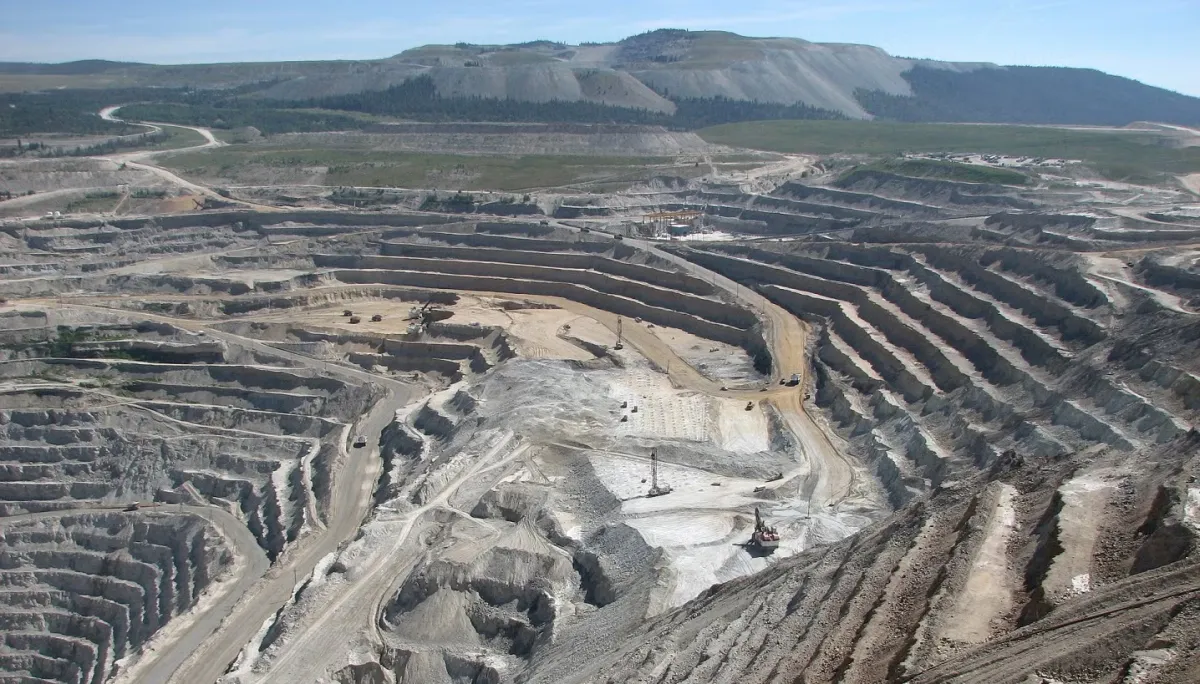
Jiang Li, Vice President of Contemporary Amperex Technology Co. (CATL), has identified mining — not refining or processing — as the primary constraint on the battery industry's ability to scale, in a direct challenge to the consensus position that China's dominance in mineral processing represents the sector's most binding limitation.
"Processing is not the bottleneck, but mining is," Jiang Li said in a recent interview. "We want to build our cost advantage with our upstream capabilities."
The statement carries strategic weight. China has established a near-monopoly in battery mineral refining — covering lithium, cobalt, nickel, and manganese — and customers including Ford Motor have previously argued that processing constraints are more acute than mining supply. CATL's vice president is explicitly inverting that analysis: as mineral prices surge and supply uncertainties increase, the availability of raw ore is emerging as the binding constraint, particularly as downstream battery demand accelerates faster than new mining capacity can be brought online.
In response, CATL plans to establish a dedicated mining unit and has appointed Chen Jinghe — founder of China's largest metals mining company — as a strategic adviser. The company's existing mining investment portfolio spans domestic and overseas projects covering lithium, phosphate, and cobalt. CATL's lithium mine in China's Jiangxi province has experienced operational disruptions, contributing to lithium price volatility.
CATL is also developing sodium-ion batteries as a parallel risk management strategy. "If the price of lithium goes up, then we can make more sodium-ion batteries," Jiang Li said, describing sodium — a globally abundant element — as a hedge against lithium supply constraints. "Technology innovation can help us conquer shortages of metals in the medium to long term. But sometimes we don't have enough time. The market can change rapidly."