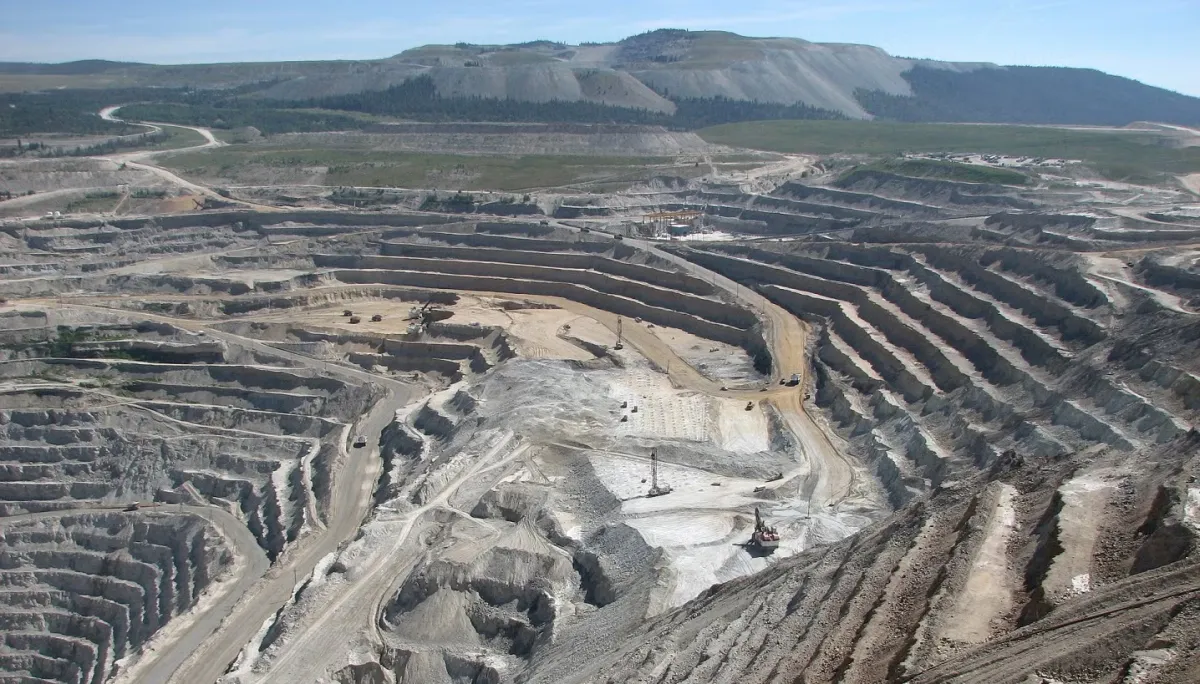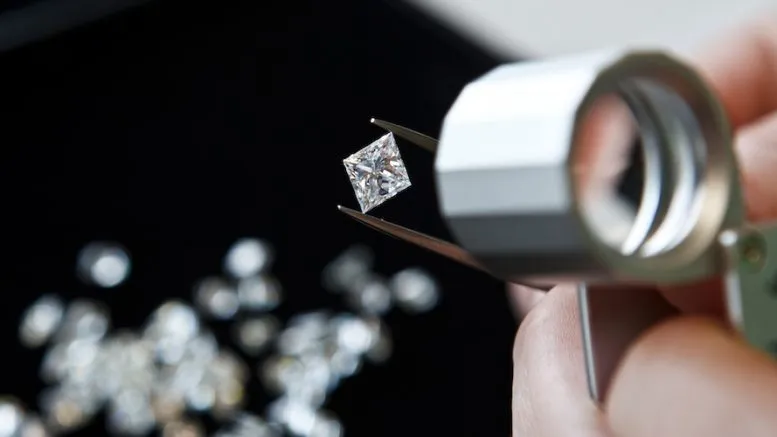
The diamond industry, which experienced an unexpected boom during the pandemic, is now grappling with a sharp reversal of fortunes as market dynamics shift. According to a new report by McKinsey & Company, the sector faces a critical inflection point, with falling prices, evolving consumer preferences, and intensifying geopolitical pressures presenting both challenges and opportunities for long-term sustainability.
During the COVID-19 pandemic, diamond prices surged unexpectedly as supply chain disruptions and delayed weddings initially curbed sales. However, a wave of self-purchasing emerged as consumers sought moments of indulgence during lockdowns, driving up demand and prices. Post-pandemic, that momentum has dissipated. The normalization of supply chains, the return to traditional engagement cycles, and the rise of lab-grown diamonds (LGDs) have significantly weakened demand for mined stones.
Lab-grown diamonds have emerged as a formidable disruptor. Offering prices up to 80% lower than their mined counterparts and touting perceived ethical and environmental advantages, LGDs have captured significant market share, reshaping consumer expectations. Ten years ago, younger buyers were a key driver of demand for natural diamonds. Today, that same demographic prioritizes affordability, customization, and sustainability—values perfectly aligned with LGDs. This shift has left traditional diamond producers struggling to maintain relevance.
The report highlights that the growing emphasis on environmental, social, and governance (ESG) issues is also reshaping the market. Younger generations, particularly Gen Z, are demanding transparency and assurance that diamonds are mined under ethical conditions with minimal environmental harm. At the same time, digital platforms are becoming a critical channel for jewelry purchases, as consumers increasingly prefer online shopping for high-value items. This trend aligns with the growing phenomenon of self-purchasing, where consumers buy fine jewelry for themselves outside of traditional life events like engagements and weddings.
To counter the rising influence of LGDs, industry heavyweights like De Beers and Signet Jewelers have launched marketing campaigns, including the “Worth the Wait” initiative, aimed at recapturing the attention of younger consumers, especially “zillennials” born between 1993 and 1998. These efforts aim to position mined diamonds as timeless and aspirational, but their impact remains uncertain.
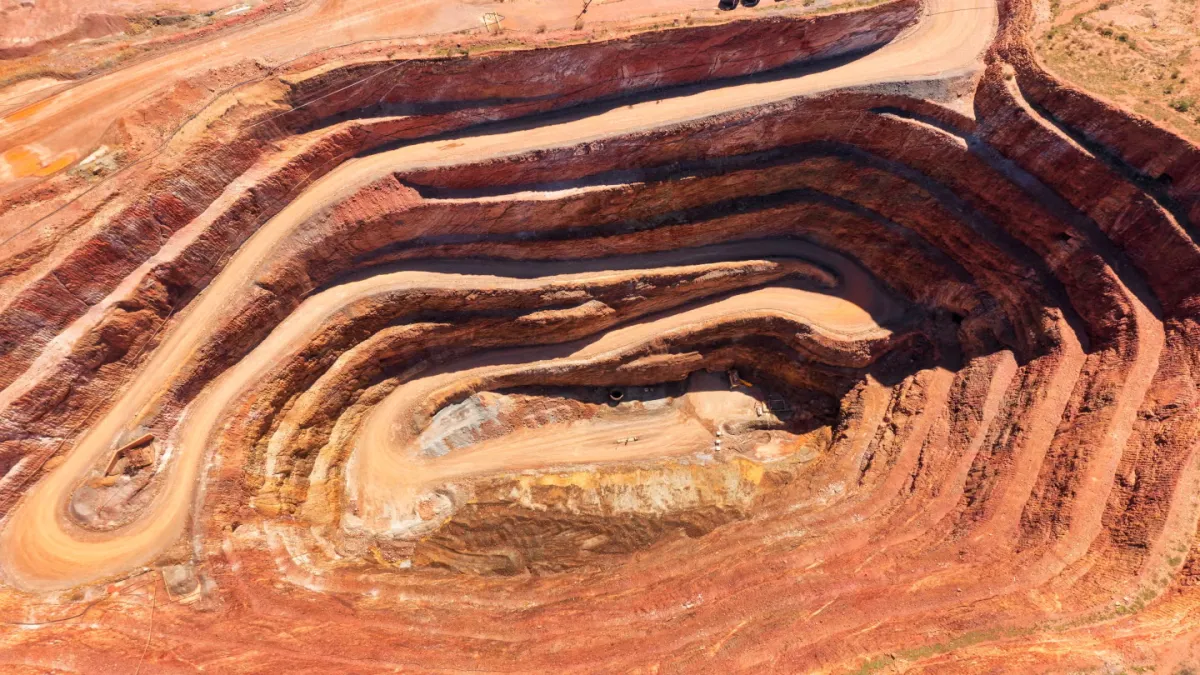
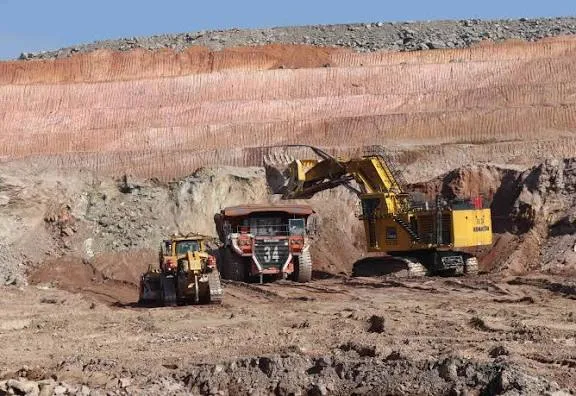
Geopolitical factors have added another layer of complexity. Sanctions on Russian diamonds, particularly those targeting Alrosa, have disrupted the global supply chain for larger stones. With further restrictions set to tighten by March 2025, affecting diamonds of 0.5 carats and above, the industry is bracing for more supply chain disruptions. Simultaneously, natural diamond production is constrained, with annual growth expected to stagnate at 1–2% through 2027. Major producers like De Beers are pouring billions into costly underground mining operations to extend the lifespan of their depleting resources, but these measures are neither quick nor inexpensive.
Government intervention is also reshaping the sector, particularly in diamond-rich regions like Botswana, where public authorities are asserting greater control over mining operations to ensure more sustainable and equitable practices. This growing scrutiny is adding pressure on mining companies to meet rising consumer expectations for ESG compliance while navigating higher production costs.
Despite these headwinds, McKinsey & Company sees a path forward for adaptable producers. Companies can diversify by incorporating lab-grown or recycled diamonds into their offerings while emphasizing the rarity and intrinsic value of natural stones to appeal to traditionalists. Investments in digital platforms and sustainability initiatives could further position them to meet evolving consumer demands.
Ultimately, the report concludes that the industry’s future hinges on its ability to innovate and align with changing consumer values. While challenges abound, the companies that embrace transformation and sustainability may yet redefine the diamond market and regain their luster.