Trinity Metals' decision to pursue a New York Stock Exchange listing — rather than London, Toronto, or Johannesburg — is as much a geopolitical statement as a financial one. Speaking at the Africa CEO Summit in Kigali on May 15, 2026, CEO Peter Geleta confirmed a target raise of $100 to $200 million within twelve to eighteen months, framing the choice of New York explicitly around US market liquidity and institutional appetite for critical minerals supply chain alternatives to China.
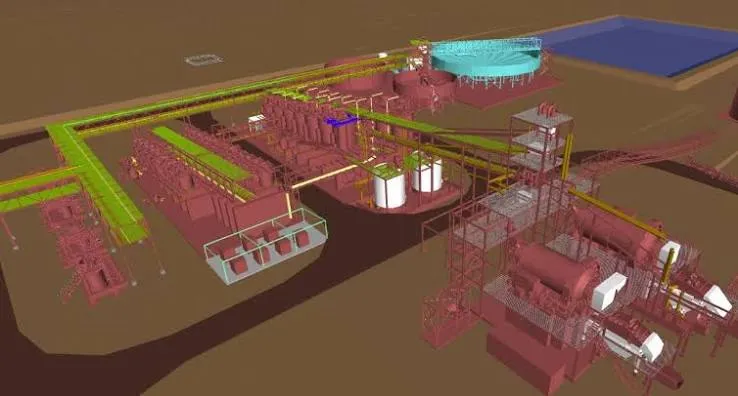
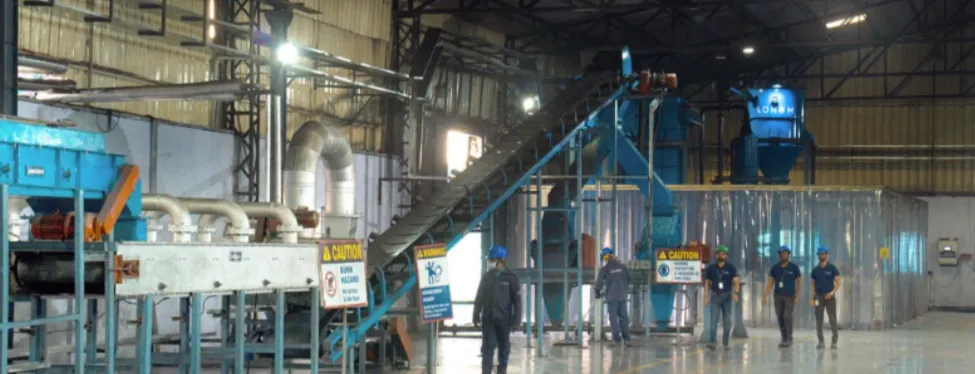
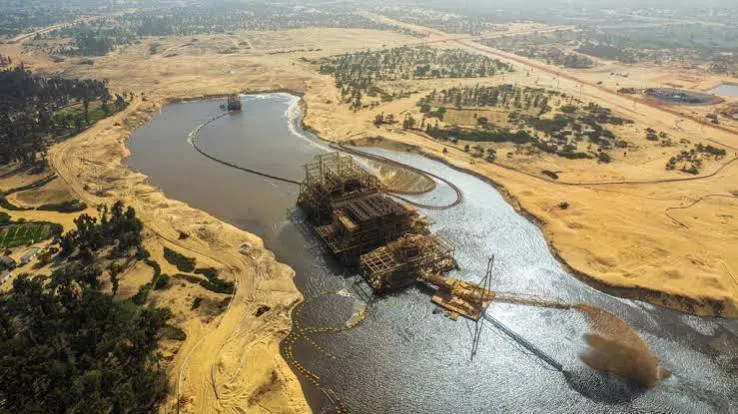
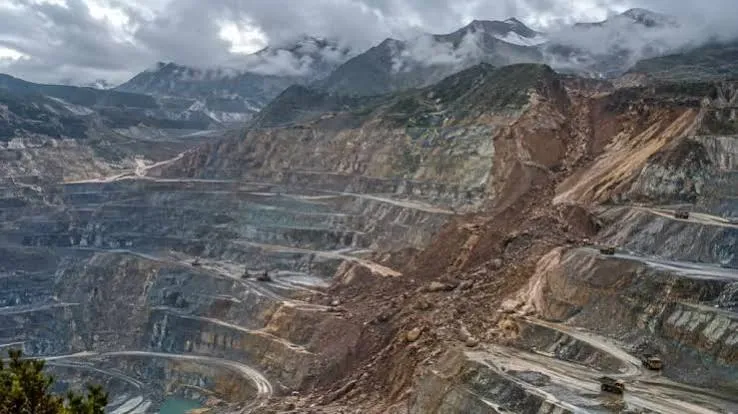
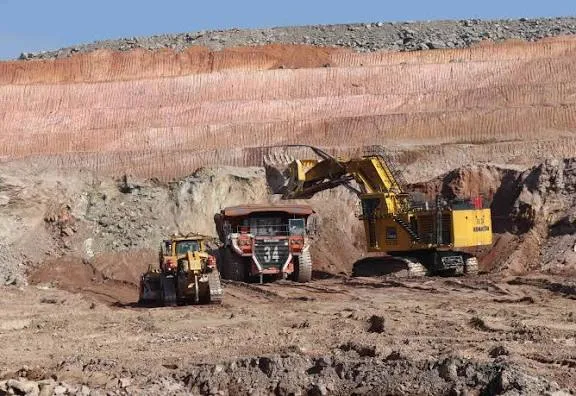
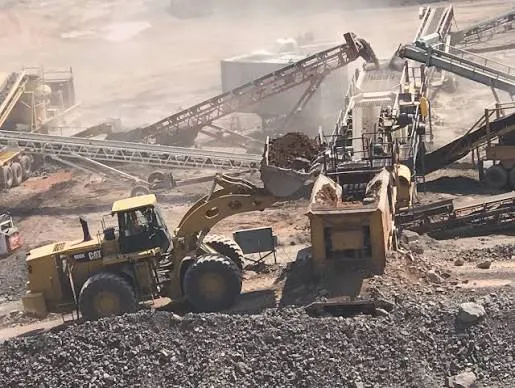
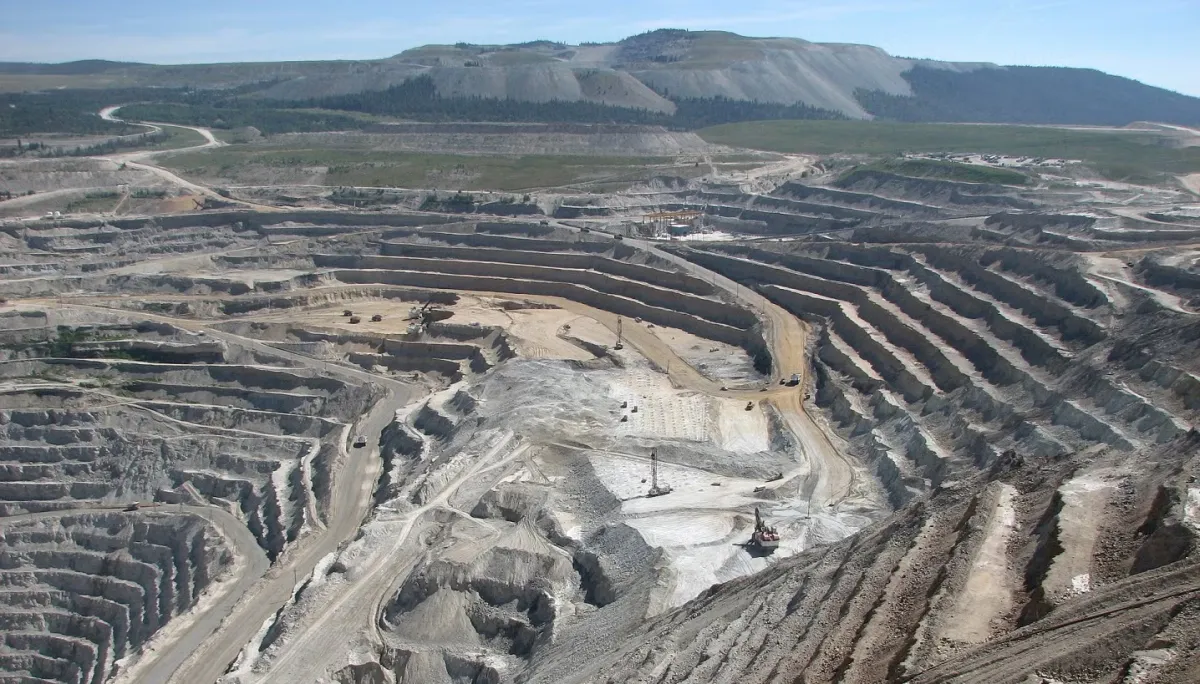
The company, formed in 2022 through the consolidation of three underinvested Rwandan 3T assets, has quadrupled production since its formation and now operates Nyakabingo — identified as Africa's largest tungsten mine — alongside the Rutongo tin operation and the Musha tin-tantalum licence. A $150 million processing investment programme over three years, with a $50 million Nyakabingo plant targeted for end-2027, underpins the production growth target of tripling monthly tin and tungsten output to 300 metric tonnes each. China's export restrictions on tungsten — a metal for which it accounts for approximately 85% of global supply — have created the market dislocation that makes Trinity's assets commercially compelling and its Western-exclusive sales strategy commercially viable.
The listing decision carries a regional subtext that warrants attention. Trinity's mines sit in Rwanda's 3T belt adjacent to the eastern DRC, where the conflict involving M23 forces and the broader dispute between Kigali and Kinshasa over mineral smuggling continues. UN reports have documented unprecedented volumes of DRC minerals transiting Rwanda. Geleta stated that Trinity's operations have not been affected by the fighting — a claim consistent with the company's formal conflict-free certification framework — but the proximity of its assets to a contested smuggling corridor will be a material due diligence consideration for US institutional investors assessing SEC filing obligations under Dodd-Frank Section 1502.