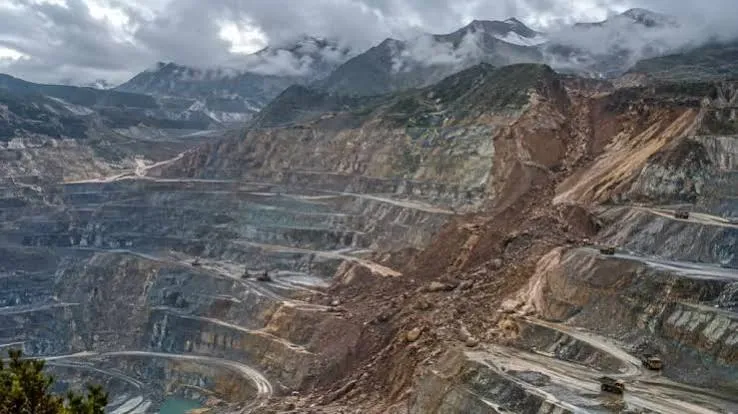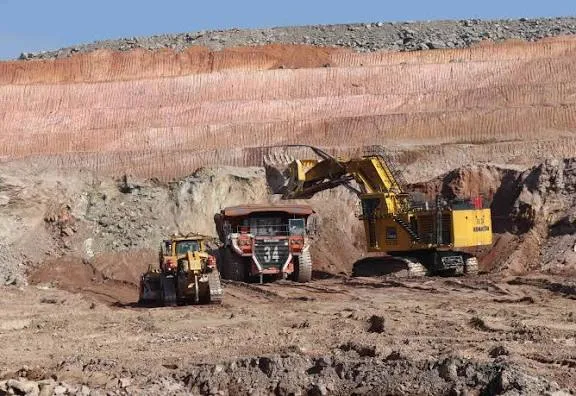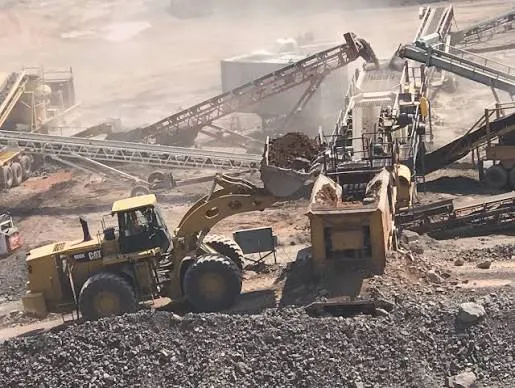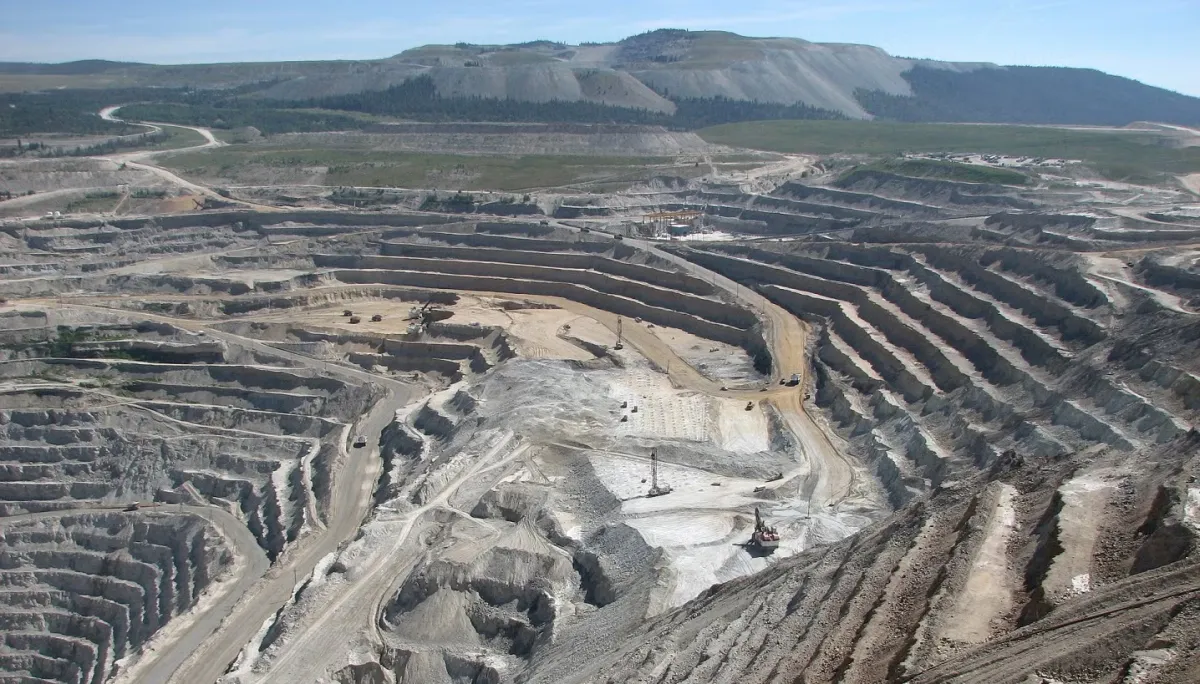
The opening of an expanded coal mine at Exxaro Resources' Matla operations, underpinned by a supply contract with Eskom running to 2043, is the most concrete indicator yet that South Africa's coal-based electricity system will remain structurally intact well beyond the timelines envisaged in the country's official energy transition planning documents.
Exxaro signed the agreement with the state utility last month for the supply of more than nine million tonnes of coal annually to the 3,600 MW Matla power station in Mpumalanga, a plant that has been in operation since 1983 and whose life Eskom has extended — as it has with several comparable facilities — in the absence of sufficient renewable replacement capacity. The expansion, involving a new decline shaft at Matla 1, was formally commissioned on May 15, 2026.
Caroline Shirindza, Exxaro's executive head of coal, was explicit in framing the company's position: coal supply commitments and renewable energy development are simultaneous rather than sequential strategies. South Africa currently generates approximately 80% of its electricity from coal, a figure that reflects not only legacy infrastructure but the persistent shortfall in renewable additions, grid integration capacity, and private sector investment that would be required to alter the generation mix at the pace called for in the country's Integrated Resource Plan. The Matla contract effectively establishes a commercial floor under domestic thermal coal demand through the mid-2040s — a timeline that sits in direct tension with South Africa's just energy transition commitments to international partners.