Congolese copper is gaining a significant second market outside China, but its progress in the United States now depends partly on a tariff decision over which producers in the Democratic Republic of Congo have little control.
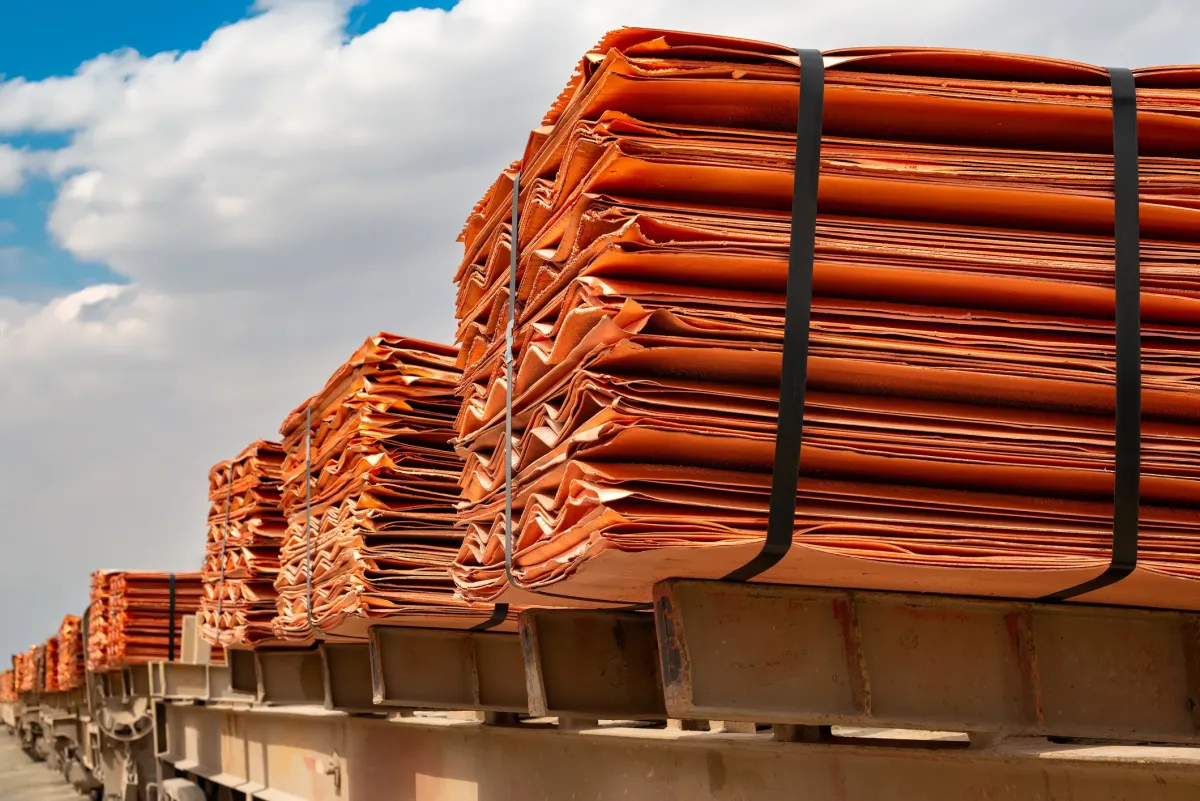
The United States imported a record 53,290 tonnes of refined copper cathodes from the DRC in July 2026, according to US trade data reported by Reuters. That represented 23.9% of American cathode imports during the month, when total imports exceeded 220,000 tonnes for the first time.
The July shipment alone surpassed the less than 32,000 tonnes the United States imported from the DRC throughout 2024. It provides the clearest evidence yet that the American market is becoming commercially relevant for Congolese copper—not only politically attractive to Washington.
Price opened the market
The increase cannot be explained solely by the expanding minerals partnership between Kinshasa and Washington.
No Congolese copper brand is currently approved for delivery against COMEX futures contracts. This does not prevent American manufacturers from purchasing the metal for physical use, but it limits its role in the exchange-based market. Only two African copper brands, both from Zambia, appear on the COMEX approved list.
Congolese cathodes are generally priced against the London Metal Exchange. Industry sources cited by Reuters indicated discounts of between $550 and $800 per tonne, partly reflecting freight costs. With COMEX copper trading at premiums of $400 to $600 over LME prices at times during the northern summer, Congolese metal became attractive to American rod mills and tube manufacturers.
Buyers also reported greater acceptance of the quality of cathodes produced in the DRC. This is important because it suggests that the market opening is not based only on diplomatic support: industrial consumers have found a usable product at a competitive price. Mining Weekly/Reuters
However, neither the Congolese producers nor the American buyers responsible for the July shipments have been publicly identified. The volumes should therefore not automatically be attributed to Gécamines’ separate plan to market 100,000 tonnes of TFM’s 2026 copper production in the United States.
Tariffs could reverse the calculation
Copper cathodes, ores, concentrates and anodes were excluded when the United States introduced a 50% tariff on certain semi-finished copper products in August 2025. The US Department of Commerce was subsequently asked to advise whether refined copper should face a 15% tariff from January 2027, rising to 30% in 2028. White House
No final decision had been announced by 12 September 2026. Reuters reported that the White House was weighing the benefits of supporting domestic mining and refining against the higher costs tariffs could impose on American manufacturers.
That hesitation currently favours Congolese exporters. A 15% duty would be substantially larger than the discounts that have helped DRC cathodes compete with COMEX-approved metal. Depending on the customs value and any exemptions, the tariff could remove their current price advantage.
The uncertainty has already distorted global trade. Traders have moved large quantities of copper into the United States ahead of a possible tariff, expanding American inventories while reducing metal available elsewhere. When reports emerged that the tariff was no longer certain, copper prices and mining shares fell sharply.
This means July’s record should not yet be interpreted as a permanent redirection of Congolese exports. Some of the increase reflected genuine industrial demand, but tariff-related stockpiling also contributed to the surge in overall US imports.
China remained the DRC’s largest market, importing 95,778 tonnes of Congolese copper in July—almost twice the US volume. Nevertheless, the American market has moved from diplomatic ambition to measurable trade.
The opportunity for the DRC is now to convert an exceptional month into repeat business. That will depend on consistent cathode quality, dependable delivery, broader buyer relationships and US trade rules that do not eliminate the economics attracting customers in the first place.