Lotus Resources has finalized an additional uranium offtake agreement with PSEG Nuclear, a subsidiary of New Jersey-based Public Service Enterprise Group, further securing the commercial future of its Kayelekera Uranium Project in Malawi.
The deal, announced January 30, 2025, commits the sale of at least 2.3 million pounds (mlb) of triuranium octoxide (U3O8) from 2026 through 2032, with potential volumes reaching 2.6mlb. Combined with prior agreements, the company now has binding and conditional contracts for up to 4.4mlb of uranium sales, signaling renewed confidence in the project’s viability amid rising global demand for nuclear fuel.
The pricing structure, shaped by competitive negotiations, includes annual fixed escalations tied to delivery dates, ensuring margin stability even if market prices fluctuate. Lotus Managing Director Greg Bittar emphasized the significance of the agreements, noting the company’s robust financial position—$135 million in cash and undrawn credit facilities—as a catalyst for accelerating Kayelekera’s restart. “These contracts, alongside our capitalization, mark critical milestones as we move toward binding terms with PSEG and additional offtake partnerships,” Bittar said.
Strategic Restart Amid Market Recovery
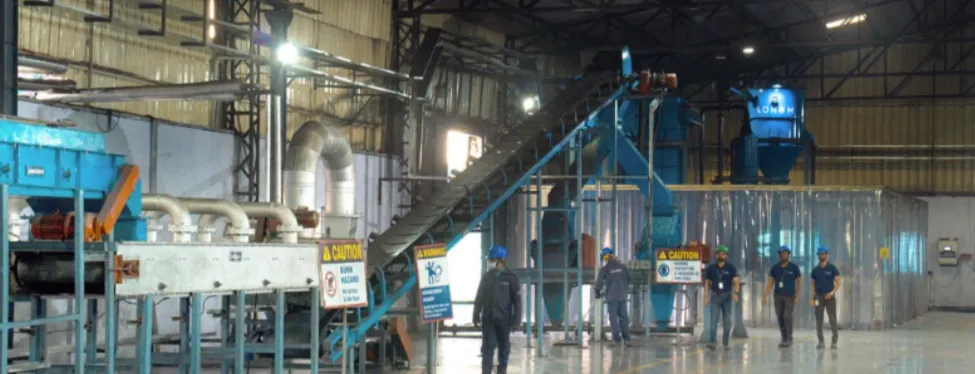
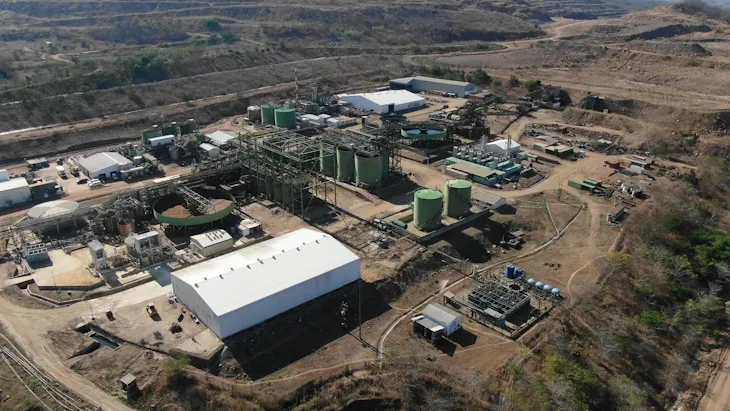
The Kayelekera Project, which produced 11mlb of U3O8 between 2009 and 2014 before halting operations due to depressed uranium prices, is poised for a low-cost revival. Lotus unveiled an accelerated restart plan in October 2024, estimating initial capital costs at 50million(A80.31 million) to achieve first production within eight to ten months. The project’s reserves—15.9 million tons grading 660 parts per million U3O8—position it among the world’s most economically viable uranium assets, particularly as utilities seek long-term supply contracts to hedge against market volatility.
The latest agreement builds on a September 2024 binding deal with PSEG Nuclear and Curzon Uranium, which secured sales of 1.5mlb to 1.8mlb over the same seven-year period. Lotus is negotiating additional offtake terms with North American utilities, offering a mix of fixed and market-linked pricing to align with buyer needs.
Positioning for Long-Term Demand
The uranium sector has gained momentum as governments and utilities prioritize nuclear energy to meet decarbonization targets. Kayelekera’s return to production aligns with projections of a supply deficit by the late 2020s, driven by reactor expansions in China and renewed interest in nuclear power across Europe and North America. Industry analysts note that Lotus’s progress reflects a broader trend of producers reactivating idled mines to capitalize on prices that have rebounded nearly 40% from 2023 lows.
With its streamlined cost structure and secured sales, Lotus Resources is emerging as a key supplier in a tightening market. The company’s focus on low-risk offtake partnerships and scalable production underscores its strategy to leverage Kayelekera’s potential while mitigating exposure to short-term price swings. As the global energy transition accelerates, projects like Kayelekera are increasingly viewed as critical infrastructure in the race to secure reliable, low-carbon power sources.