The Lobito Atlantic Railway, operator of the strategically vital Lobito Corridor, has taken delivery of its first shipment of container railcars from South Africa’s Galison Manufacturing. This initial batch is part of a $455 million investment to enhance the corridor’s infrastructure, a project that aims to transform the logistics of critical mineral exports from Africa’s resource-rich Copperbelt to global markets.
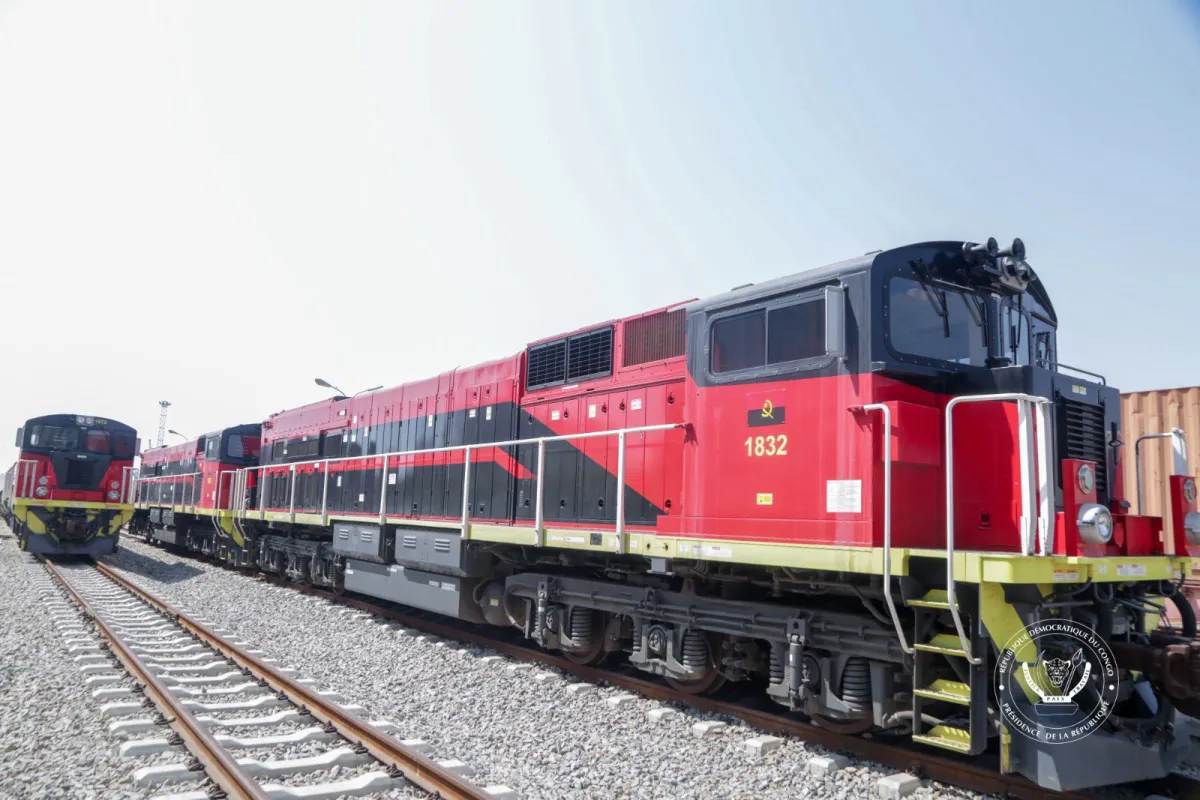
The railcars, each weighing 13.5 tonnes and capable of transporting either a 40-foot container or two 20-foot containers, are the first of 275 units ordered last May. The remaining railcars will be delivered over a 30-month period, complementing a broader plan that includes the acquisition of 35 locomotives and 1,555 wagons. These upgrades are poised to strengthen the Lobito Corridor’s ability to facilitate shipments of cobalt, copper, and other critical minerals from the Democratic Republic of Congo (DRC) and Zambia to Angolan ports on the Atlantic Ocean.
The new rail infrastructure arrives at a time of renewed activity along the corridor. Shipments of minerals from the DRC recently resumed, reducing transit times and signaling growing efficiency along this key trade route. The addition of modern railcars is expected to boost operational capacity, enabling the Lobito Corridor to handle increasing export volumes while enhancing reliability for global markets dependent on African mineral supplies.
A Strategic Lifeline for Critical Minerals
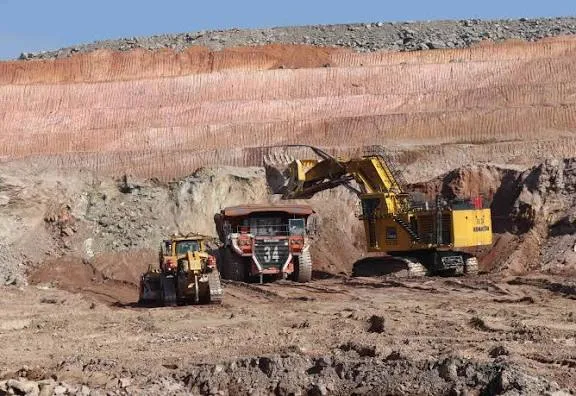
The Lobito Corridor is rapidly emerging as a cornerstone in the global race to secure supplies of critical minerals—resources essential for renewable energy systems, electric vehicles, and other advanced technologies. Stretching from the Copperbelt mines in the DRC and Zambia to the Atlantic port of Lobito in Angola, the route provides a shorter and more efficient alternative to the traditional export routes via South African or Tanzanian ports.
The strategic importance of the corridor has attracted substantial international interest. The United States, the European Union, and other global partners, including Italy, have committed significant investments to bolster the corridor’s capacity. This financial backing underscores the role of the Lobito Corridor in diversifying global supply chains for critical minerals and reducing reliance on less stable or longer trade routes.
The long-term vision for the corridor extends far beyond its current scope. Plans are in place to connect Lobito on the Atlantic Ocean to East Africa’s ports on the Indian Ocean, creating a transcontinental trade network that could redefine Africa’s logistical landscape. Such a development would not only strengthen intra-African trade but also provide global markets with more resilient and diversified access to the region’s vast mineral resources.
Strengthening Africa’s Position in Global Markets
The latest developments along the Lobito Corridor mark a significant step forward in addressing one of Africa’s perennial challenges: translating its abundant natural resources into sustainable economic growth. By improving the efficiency and capacity of mineral exports, the corridor positions Angola, the DRC, and Zambia as pivotal players in global supply chains for cobalt, copper, and other key materials.
These materials are central to the green energy transition, with demand surging as nations ramp up efforts to deploy renewable energy technologies and electrify transportation. The Lobito Corridor provides a direct and efficient route to deliver these materials to international markets, offering significant cost and time advantages.
The consortium behind the Lobito Atlantic Railway, which includes major stakeholders committed to the corridor’s success, has demonstrated its intent to modernize and expand its capabilities. The $455 million investment plan reflects a long-term commitment to ensuring the corridor’s competitiveness, not just within Africa but on the global stage.