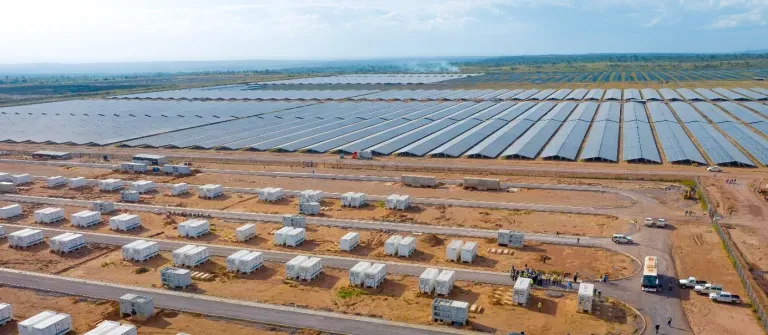
Kamoa Copper's signing of a second 30 MW solar power agreement — this time with Green World Energie, incorporating a 581 MWh battery storage system — marks a further step in the Kamoa-Kakula complex's transition away from grid dependency toward a contracted renewable energy base. The May 11, 2026 agreement covers Phase II of the site's solar programme and is designed to provide dispatchable power during periods of limited solar irradiance and peak industrial demand.
The strategic logic is straightforward but significant in the DRC context: the national electricity grid is characterised by chronic shortfalls exceeding 5,000 MW nationally, with frequent interruptions that impose direct operational and cost risks on industrial users. For Kamoa-Kakula, whose electricity requirements are growing rapidly alongside the expansion of underground operations and the ramp-up of its copper anode smelter, the ability to source stable, predictable energy through long-term bilateral agreements with independent power producers reduces exposure to both grid instability and volatile diesel fuel costs.
The broader implication for the DRC's mining sector is a replicable model: large-scale operators using bankable power purchase agreements to finance renewable capacity that the national utility, SNEL, cannot deliver at the required scale or reliability. The 581 MWh storage figure — the largest battery system component disclosed in the site's energy programme to date — reflects the technical maturity and capital depth now available for off-grid industrial renewable solutions in Sub-Saharan Africa, and sets a reference point for comparable projects across the Copperbelt.