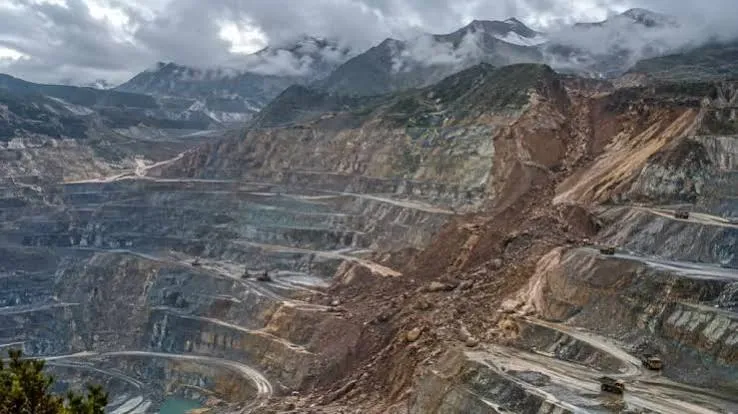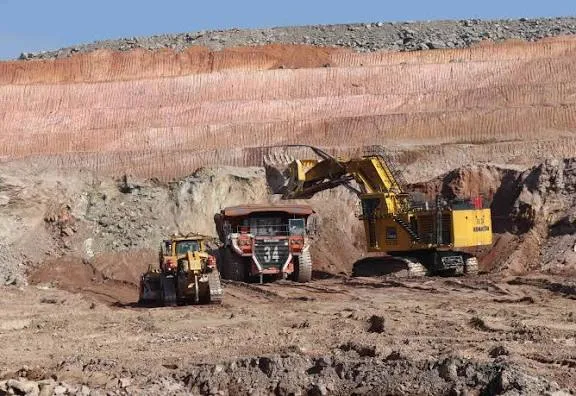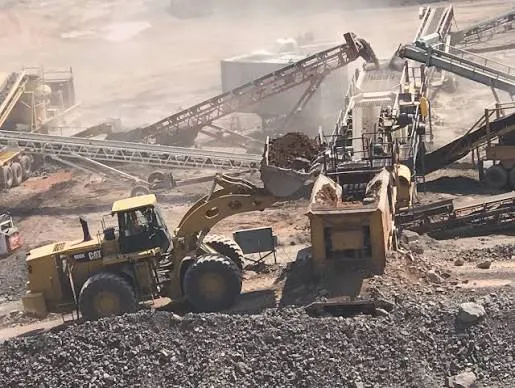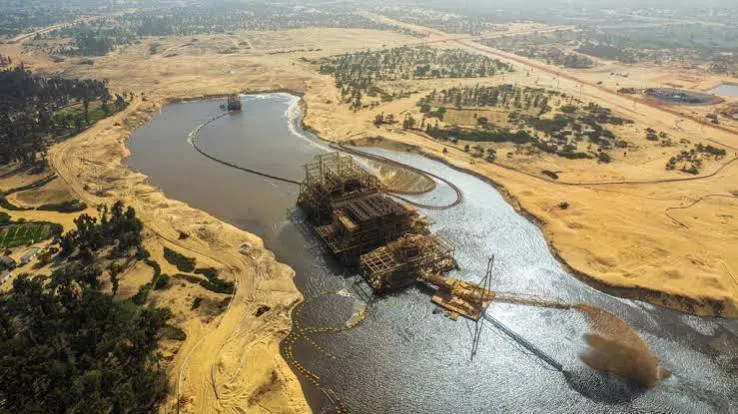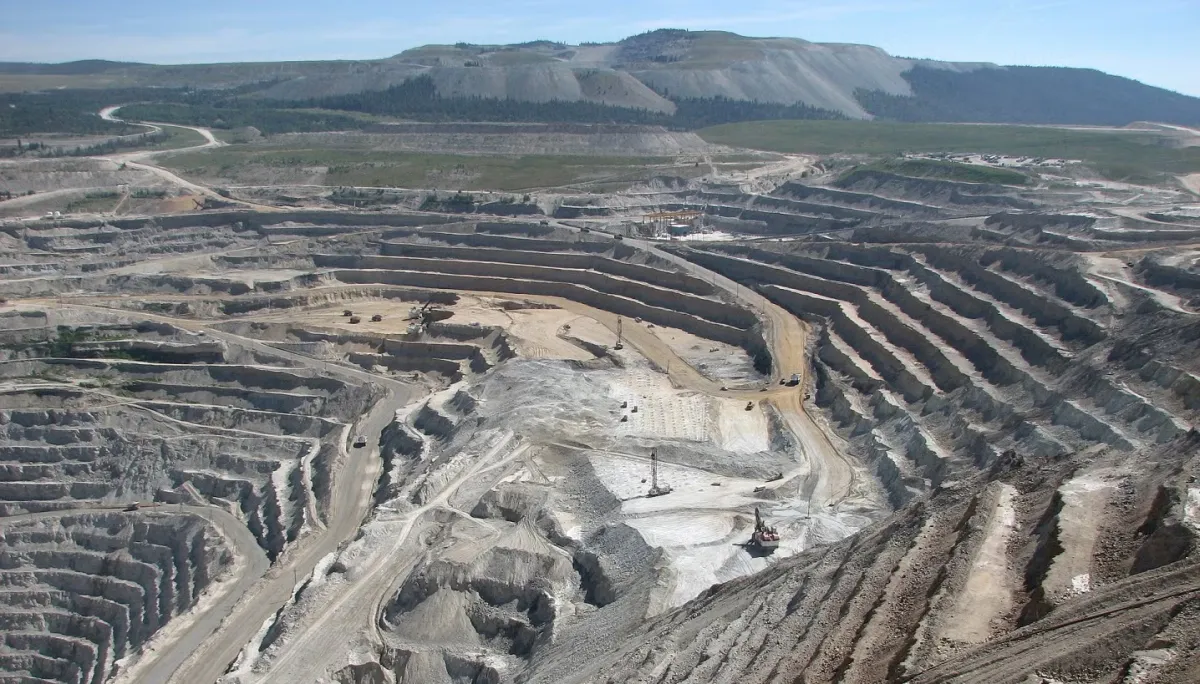
In a bid to secure both economic benefit and enhanced security support, Congolese officials have proposed granting U.S. companies exclusive access to critical minerals—including cobalt, lithium, tantalum, and uranium—as well as participation in key infrastructure projects. This offer emerges at a time when the DRC’s mineral wealth, long a cornerstone of global supply chains for high-tech and renewable energy applications, has become a focal point of international strategic interest.
The proposal reflects a strategic recalibration by a government under pressure. Faced with destabilization in its mineral-rich east—where rebel factions, supported by neighboring Rwanda, have long exploited local resources—the DRC is now prepared to leverage its natural assets in exchange for security assistance. The offer aims to realign the benefits of resource extraction, ensuring that revenues are more directly channeled into national development rather than escaping through illicit networks or foreign intermediaries. In a country that remains the world’s largest cobalt producer and a significant player in other critical minerals, this initiative is as much about asserting national sovereignty as it is about fostering economic growth.
The mechanics of the proposal are multifaceted. At its core, it grants U.S. firms exclusive extraction and export rights under a framework that also involves participation in developing a deep-water port on the nation’s Atlantic coast and the creation of a joint strategic mineral stockpile. These elements are designed to secure a stable, transparent supply chain while reinforcing state control over resource revenues. The DRC’s resource offer is intended to break its historical dependency on Chinese mining firms, a shift that could alter global market dynamics by opening a new chapter in mineral trade. This potential pivot is particularly significant as Western countries intensify efforts to secure the raw materials necessary for the energy transition and the electrification of transport.
The geopolitical implications of the proposal are substantial. For the United States, the opportunity to gain direct access to some of the world’s most coveted minerals comes at a critical juncture. Global competition for these resources has never been fiercer, as nations grapple with the twin imperatives of energy security and industrial competitiveness. U.S. policymakers are acutely aware that reliable access to minerals like cobalt and lithium is vital for maintaining a technological edge and sustaining the domestic manufacturing base. At the same time, the Congolese offer could serve as a counterbalance to China’s dominant influence in the region, potentially reshaping the long-standing dynamics of global resource trade.
Economic considerations are equally pressing. The DRC’s mineral resources represent a tremendous potential revenue stream that, if managed effectively, could contribute significantly to national development. However, decades of mismanagement, corruption, and a regulatory framework that has historically favored foreign multinationals have left the country with a disproportionate share of its wealth siphoned off. By renegotiating the terms of resource extraction, the Congolese government hopes to ensure that a larger portion of the profits supports infrastructure, education, and public health initiatives at home.
Critics point out that the success of such an arrangement hinges on resolving deep-seated issues that have long plagued the mining sector in the DRC. The challenges include entrenched corruption, outdated legal frameworks, and a lack of robust local capacity to enforce compliance. Moreover, any security partnership would require the United States to commit significant resources, raising questions about the feasibility of aligning U.S. interests with the volatile security landscape in eastern Congo.
In an era where the global economy is increasingly shaped by the politics of critical minerals, the DRC’s offer represents a bold attempt to reconfigure the balance of power. As the world’s demand for these resources grows, the outcome of such negotiations could have far-reaching effects on international trade, investment flows, and the broader strategic realignment between the West and its global competitors.