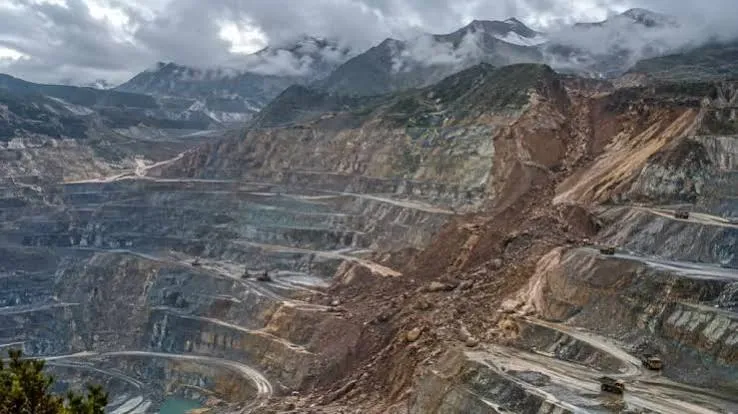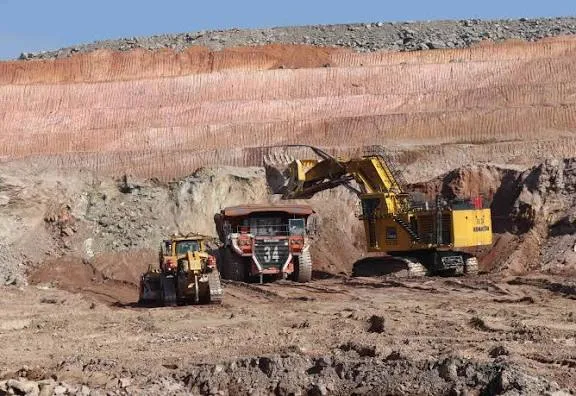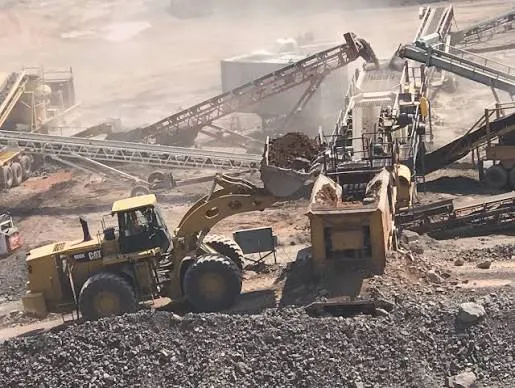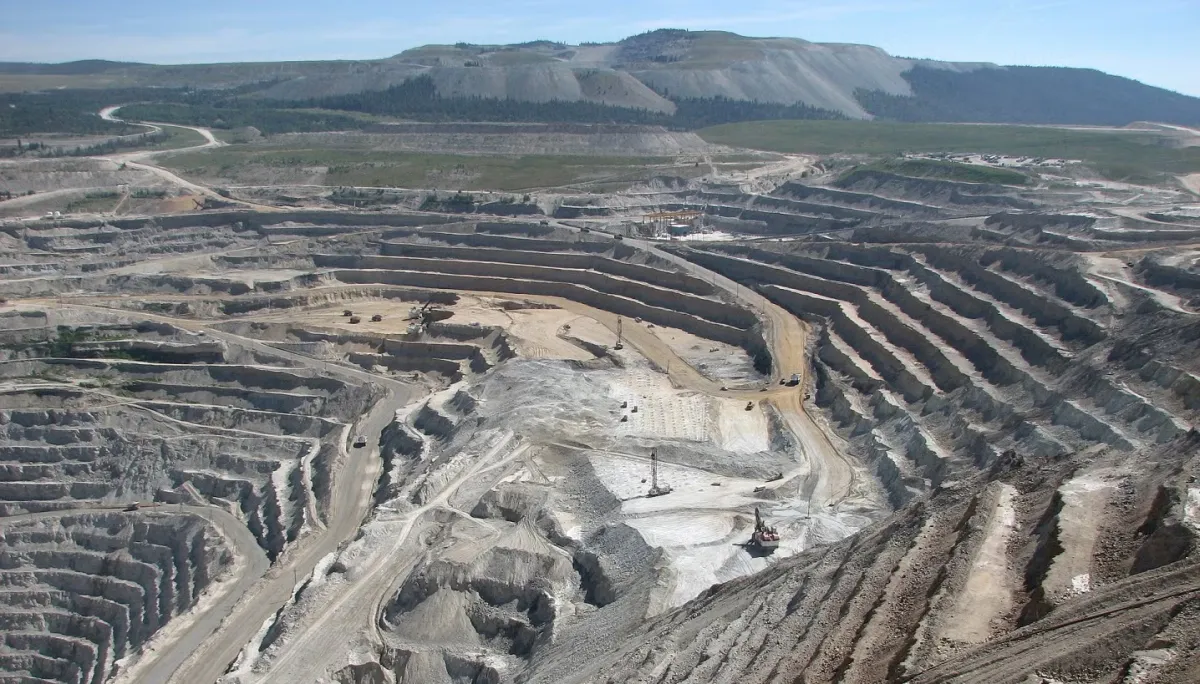
De Beers and Botswana’s government have finalized a renegotiated sales agreement extending their joint venture, Debswana, through 2054. The accord, announced Tuesday, grants Botswana a phased increase in its share of rough diamond production from 30% to 50% by 2033, marking a decisive shift in resource sovereignty for the southern African nation.
The agreement culminates months of tense negotiations, reflecting Botswana’s push to leverage its status as the world’s top diamond producer by value. Debswana, which accounts for 70% of Botswana’s export revenue and 25% of its GDP, has long been a 50/50 partnership. Under the new terms, Botswana will independently sell 30% of Debswana’s output starting this year—up from 25%—with incremental rises annually. Analysts estimate this could inject an additional $1 billion annually into state coffers by 2030, funds earmarked for healthcare, education, and economic diversification efforts.
“This is a rebalancing, not a rupture,” said Botswana President Mokgweetsi Masisi, emphasizing collaboration with De Beers. The diamond giant retains access to Botswana’s high-quality stones but faces pressure as the government courts Indian and Emirati buyers. The deal also extends mining licenses for Jwaneng and Orapa, Debswana’s flagship mines, ensuring continuity for an industry employing 20,000 Batswana.
Market observers note the pact mirrors Africa’s broader resource nationalism wave, from Zambia’s copper reforms to Namibia’s critical minerals strategy. Yet risks linger: synthetic diamond competition and sluggish luxury demand have eroded prices, with De Beers’ Q2 sales dropping 30% year-on-year. Botswana’s gamble hinges on stabilizing the diamond sector while reducing dependency—a delicate act as it eyes a post-diamond economy.