The Berkeley, California-based company is developing AI-driven tools to locate critical minerals such as copper, cobalt, nickel, and lithium. These minerals are essential to building batteries, electric vehicles, and other clean-energy technologies.
The latest funding round was led by Durable Capital Partners LP and funds managed by T. Rowe Price. Existing investors, including Andreessen Horowitz, Breakthrough Energy Ventures, and Mitsubishi Corporation, also participated, alongside new investors such as StepStone Group and WCM Investment Management.
KoBold has now raised over $1 billion in total funding since its launch. The fresh capital will accelerate its exploration efforts, advance high-potential projects, and enhance its research and development capabilities.
The company uses proprietary artificial intelligence technology to identify untapped mineral deposits that traditional methods might miss. By analyzing vast amounts of geological data from satellite imagery, historical drilling reports, and other sources, KoBold creates a detailed map of the Earth’s crust to pinpoint promising sites.
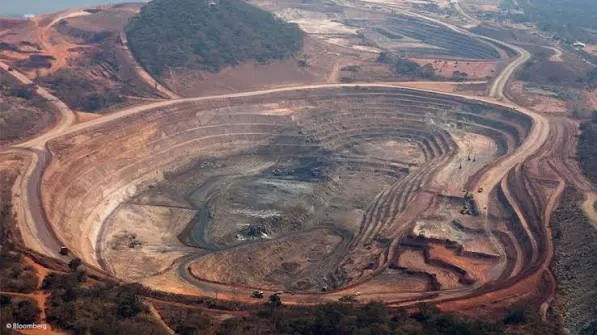
Using this technology, KoBold recently discovered a major copper deposit in Zambia’s Copperbelt region. Known as the Dumbwa target, part of the Solwezi project, the site delivered promising drill results, including a 16-meter intercept at 1.24% copper.
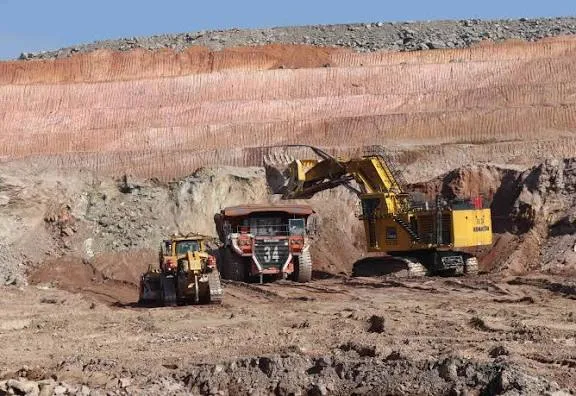
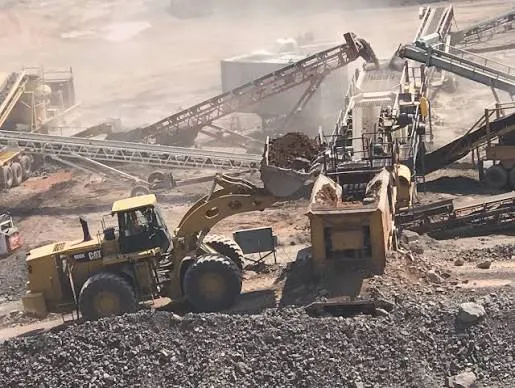
The company is also developing the $2 billion Mingomba project in Zambia, which is expected to produce more than 300,000 tons of copper annually by 2030. Once operational, it will be the country’s largest copper mine.
KoBold’s CEO and co-founder, Kurt House, told the Financial Times that about 40% of the new funding will be used to advance existing projects toward production. Zambia is expected to receive a significant share of that capital.
The company currently has 60 active projects across several continents, including partnerships with major mining firms such as BHP and Rio Tinto. House said KoBold is planning to expand into new jurisdictions, including Finland and Botswana, while aggressively hiring more data scientists to refine its AI technology.
KoBold also intends to go public within three to five years, according to House.
The startup’s focus on critical minerals aligns with U.S. national security priorities. The Biden administration and lawmakers from both parties have emphasized the need to reduce reliance on China for materials essential to clean energy and defense technologies.
“There is very broad bipartisan support for diversifying the supply of critical minerals because this is a national security priority,” House said.
KoBold is also set to benefit from U.S. foreign policy initiatives aimed at improving infrastructure in Africa’s mineral-rich regions. President Joe Biden’s recent trip to Angola included discussions about revitalizing the Lobito railway corridor, which connects Angola, Zambia, and the Democratic Republic of Congo.
The improved railway would help companies like KoBold transport minerals more efficiently while strengthening Western access to strategic resources.