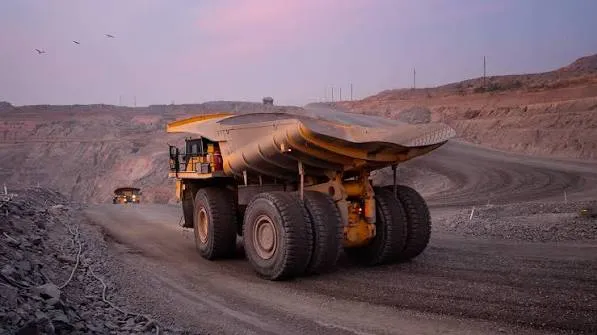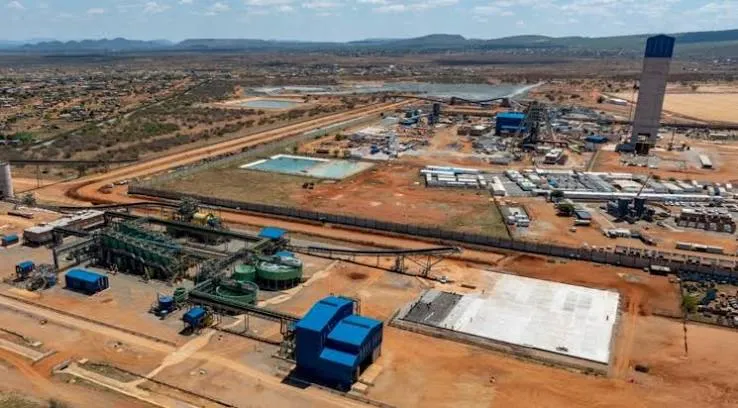
The DRC's position in the global cobalt supply chain rests on two facts: it holds approximately 46 percent of the world's cobalt reserves, according to the USGS 2025 mineral commodity summary, and it produces more than 70 percent of annual global cobalt mine supply. No other country occupies an equivalent position in any major battery metal.
The supply chain structure
Global cobalt supply moves through three broad stages: mining (predominantly DRC), refining (predominantly China), and cathode active material production (China, Korea, Japan). The DRC-to-China corridor dominates the first two stages and gives the geography outsized influence over the economics of the global battery supply chain.
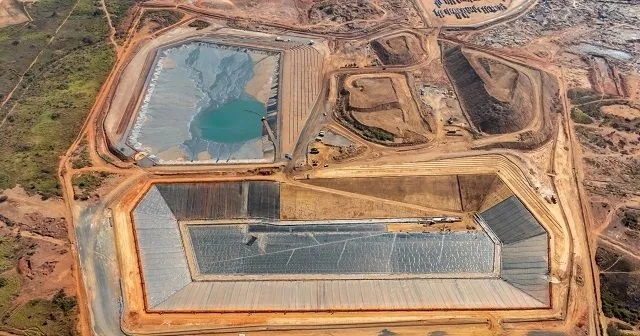
Cobalt is produced in the DRC either as a co-product of copper from large industrial mines — primarily Tenke Fungurume (CMOC), Mutanda (Glencore), KCC (Glencore) — or by artisanal miners in designated zones. Both streams export predominantly in the form of cobalt hydroxide, a wet intermediate product with a cobalt content of roughly 30–40 percent. Hydroxide is then shipped to refining facilities, more than 80 percent of which are in China, for conversion into cobalt sulfate and metal products used in battery cathodes.
Why buyers track the DRC
Battery manufacturers, automotive OEMs, and their Tier 1 suppliers track DRC cobalt supply because the alternative is not tracking it — which means being surprised. A care-and-maintenance decision at Mutanda in 2019 removed approximately 25,000 tonnes of annual cobalt supply from the market in weeks, contributing to a sustained period of low cobalt prices and a reordering of supply-chain assumptions.
Demand for cobalt in lithium-ion batteries — particularly nickel-manganese-cobalt (NMC) and lithium-cobalt-oxide (LCO) chemistries — means the mineral's supply profile connects directly to EV production economics. The major risk events in the DRC supply chain are: production disruptions at industrial operations (mechanical, fiscal, or political); shifts in artisanal mining volume driven by price; government royalty or export-policy changes; and sourcing-risk disclosures that trigger customer de-selection of certain supply streaming
Where Indonesia fits
Indonesia has grown significantly as a cobalt producer through Class I nickel-cobalt intermediate processing — primarily from high-pressure acid leach (HPAL) plants linked to large-scale nickel laterite mining operations. Indonesian cobalt output is projected to reach 30,000–40,000 tonnes by the mid-2020s on several analyst forecasts. That adds supply, but the product type (primarily mixed hydroxide precipitate and cobalt sulfate from nickel circuits) is different from DRC copper-associated cobalt hydroxide in chemistry, price formation, and supply-chain positioning.
The DRC's dominance in copper-associated cobalt is not contested by Indonesia's nickel-associated cobalt; they serve overlapping but distinct segments of cathode chemistry demand.
What royalty and regulatory changes mean for price
The 2018 Mining Code reclassified cobalt as a strategic substance and imposed a 10 percent royalty. For producers with large cobalt volumes, that change increased costs materially and pushed some marginal projects back in project queues. For buyers, royalty increases flow through to cobalt hydroxide prices at the ex-works stage, though the precise pass-through depends on the terms of individual off-take agreements.
Responsible sourcing pressure
EU and US policy has increased the formal compliance burden on cobalt supply chains. The EU Battery Regulation (effective 2024 for industrial and EV batteries) requires due diligence on cobalt supply chains as a condition of market access. The US Inflation Reduction Act creates financial incentives to source battery materials from non-adversarial countries or through certified free-trade-agreement partners.
Neither framework renders DRC cobalt non-compliant by default. Both require documented risk management, auditable supply-chain traceability, and third-party verification aligned to standards such as the OECD Due Diligence Guidance and the Responsible Minerals Initiative RMAP programme.