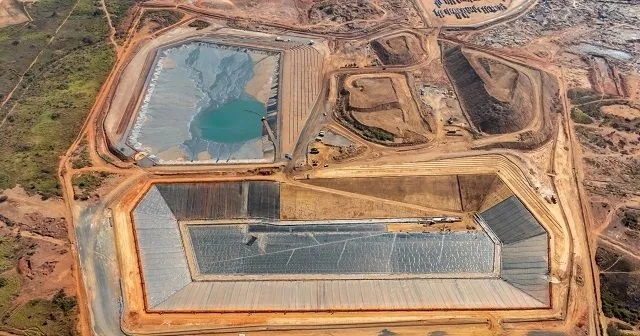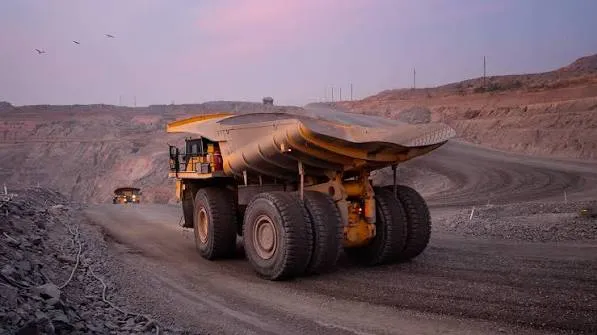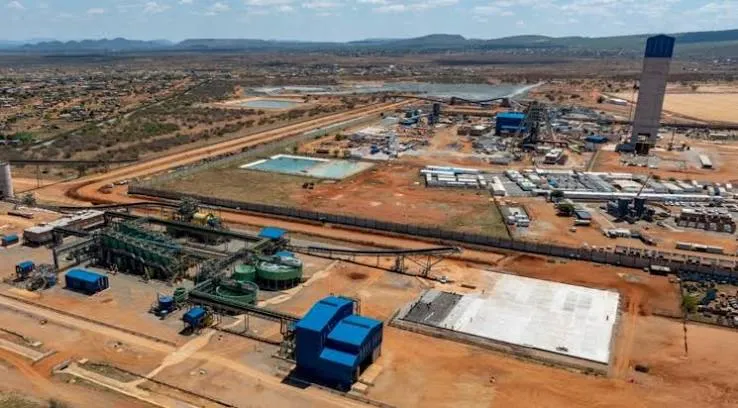
Kipushi is a zinc-dominant polymetallic underground mine in Haut-Katanga province, approximately 30 kilometres from Lubumbashi near the Zambia border. It is owned 68 percent by Ivanhoe Mines and 32 percent by Gécamines, the DRC state mining company. After nearly three decades on care and maintenance, Kipushi returned to production in 2023–2024 and is now the world's highest-grade zinc mine in production by declared reserve grade.
Why Kipushi matters
Zinc mining in the DRC has been eclipsed commercially by copper and cobalt, but Kipushi's return to production is significant for the global zinc supply picture. The mine's ore grade — approximately 26 percent zinc at the Big Zinc Zone, based on Ivanhoe's NI 43-101 technical reports — is dramatically higher than global zinc mining averages, where grades of 4–8 percent are typical. High grade translates to lower mining cost per tonne of zinc produced and higher mine margins relative to peers.
The polymetallic nature of the ore adds further value. Beyond zinc, Kipushi produces copper, germanium, and silver as by-products. Germanium — a critical mineral used in fibre-optic cable, semiconductors, and solar cells — is subject to the DRC's 10 percent strategic mineral royalty and has attracted specific attention from US and EU critical minerals programmes given supply concentration in China.
Ownership history
Kipushi was operated by Union Minière (now Umicore) during the colonial and post-independence period and was a significant zinc-copper producer at its historical peak. It was placed on care and maintenance in 1993 due to a combination of declining zinc prices, operational challenges, and the general deterioration of the DRC mining sector in that period.
Ivanhoe Mines entered a joint venture with Gécamines in 2011, acquiring a 68 percent interest in the Kipushi project.
The JV structure mirrors the pattern common to DRC mining partnerships: international operator holds the majority, provides capital and technical management; Gécamines holds a 32 percent minority interest representing historical state ownership of the asset.
Geology and ore
The Kipushi deposit is a carbonate-replacement zinc-lead-copper-silver-germanium mineralisation within the Katangan Supergroup sequence — the same geological system that hosts the Copperbelt copper-cobalt mineralisation.
The Big Zinc Zone contains a very high-grade zinc sulphide lens that was largely preserved during the mine's care-and-maintenance period.
The ore is processed underground and at surface through a conventional zinc flotation circuit, producing zinc concentrate for export. Copper concentrate is produced as a separate stream. Germanium is recovered during processing and enters the germanium intermediate product market.
Logistics
Kipushi's location near Lubumbashi gives it better logistics than the remote western operations in Lualaba. Lubumbashi is a rail hub connecting to Zambia and to the Durban export corridor.
The distance to port is similar to the Kolwezi operations but the infrastructure access in Haut-Katanga is more established.
The DRC zinc picture
Outside Kipushi, zinc production in the DRC is limited. The copper-cobalt belt's geological focus is on the copper-cobalt mineralisation of the Katangan sequence; zinc deposits that are economic at industrial scale outside Kipushi have not been developed. Kipushi is therefore essentially the DRC's zinc production story in its entirety for the foreseeable future.
Zinc's relevance to the battery-minerals narrative is indirect: zinc-air and zinc-ion battery technologies are in development but not commercially deployed at scale.
Zinc's primary use remains galvanising (corrosion protection for steel), which connects it to infrastructure spending and construction rather than electrification.