Gold mining in the DRC is structurally different from the copper-cobalt sector in almost every respect: geography, ownership, scale, and governance profile. The country's dominant gold asset — Kibali — is in the remote northeast, far from the Copperbelt provinces. The rest of the country's gold production comes from an artisanal sector spread across five eastern provinces that present a distinct set of commercial and compliance considerations.
Why DRC gold matters
The DRC ranks among Africa's larger gold producers when Kibali's output is counted, but the broader picture is obscured by a large and poorly quantified artisanal sector. Kibali produced approximately 750,000 ounces in 2023, placing it among the top ten gold mines globally. Artisanal gold production in the eastern provinces adds an uncertain volume that EITI and the Banque Centrale du Congo attempt to estimate but acknowledge is significantly underreported.
Gold is less commercially studied in the DRC context than copper and cobalt, partly because Kibali is the only large industrial operation and its profile is relatively stable, and partly because the eastern ASM gold sector involves armed-group and conflict-finance dimensions that make commercial analysis secondary to governance analysis for most institutional readers.
Kibali as the anchor project
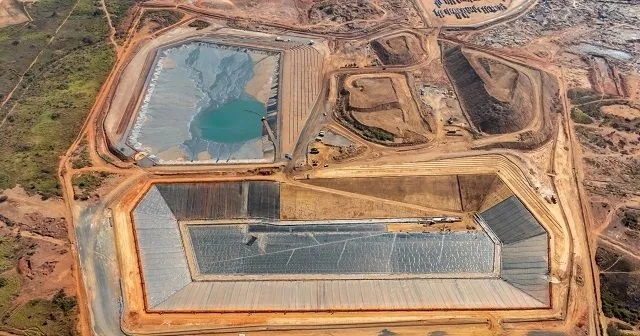
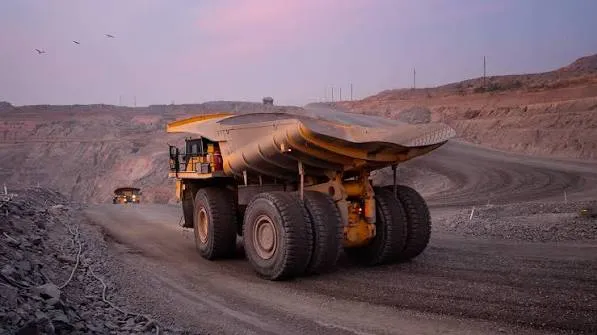
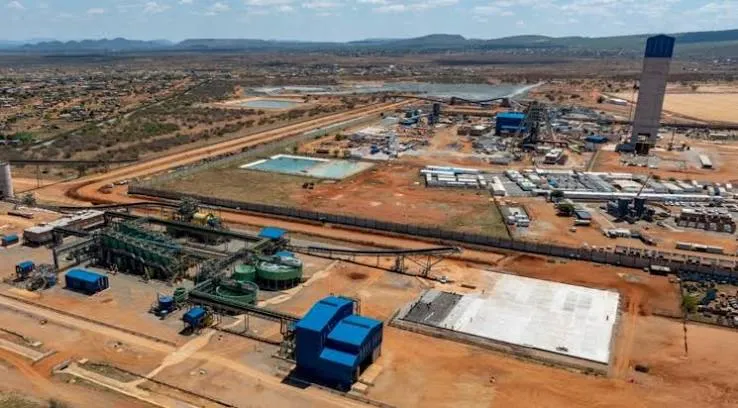
Kibali Gold Mine is located in Haut-Uele province in the DRC's far northeast, approximately 150 kilometres northwest of the South Sudan border town of Yei and approximately 1,800 kilometres from Kinshasa.
Ownership: Barrick Gold 45% (with operational management), AngloGold Ashanti 45%, SOKIMO (DRC state gold entity) 10%.
Kibali is structured as a self-sufficient operation: it generates its own power through a hydroelectric system using the Kibali River, reducing dependence on the national grid (SNEL) which does not serve the remote location effectively. This energy self-sufficiency is central to the mine's operational reliability.
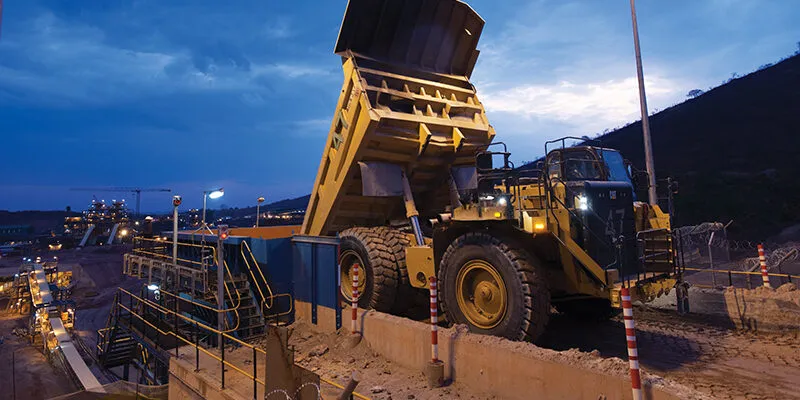
The mine processes ore through a conventional CIL (carbon-in-leach) circuit for hard oxide ore and a gravity circuit for the free gold fraction. Underground and open-pit mining both contribute to the ore feed. The underground component uses longhole stoping methods at depth.
Kibali's gold is exported as doré — a semi-pure alloy of gold and silver — by air to refineries outside the DRC, primarily in South Africa or Switzerland, where it is refined to investment-grade standard. Doré air export is common for gold operations in remote locations where road logistics are slow and the per-tonne value of gold makes air freight economics workable.
Haut-Uele and logistics
The northeast geography presents logistics challenges that distinguish Kibali from the Copperbelt operations. Road infrastructure in Haut-Uele is limited.
The mine uses a combination of air freight (for gold doré and key consumables) and road convoys for bulk materials. Barrick's operational management emphasises supply-chain resilience as a core logistical challenge.
Security context in Haut-Uele is more complex than in Lualaba.
While the immediate area around Kibali has been relatively stable, the broader northeastern DRC has experienced intermittent armed-group activity. Kibali's remote location, self-contained infrastructure, and Barrick's operational history in challenging jurisdictions have maintained continuous production.
Eastern DRC gold context
Beyond Kibali, gold is produced across five provinces: North Kivu, South Kivu, Maniema, Ituri, and Tanganyika. Production is almost entirely artisanal.
The International Peace Information Service (IPIS) maps artisanal gold sites across the region; their database identifies several hundred active sites, many in areas with armed-group presence or documented conflict-finance connections.
Gold from eastern DRC moves through trader networks and often exits the country through Rwanda, Uganda, or Burundi before reaching formal refining channels.
This routing pattern creates due-diligence complexity for refiners and buyers: gold that appears in Rwandan or Ugandan export statistics may contain a DRC-origin fraction that triggers OECD due-diligence obligations.
How gold coverage should differ from copper-cobalt coverage
Analysts and journalists approaching DRC gold coverage should apply a different frame from the one used for copper and cobalt. For copper-cobalt, the primary analytical questions are: who owns the mine, what is the production run rate, and what does the fiscal regime mean for economics? For eastern DRC gold, those questions are secondary to: how does this gold flow, who controls the intermediary steps, and what governance frameworks apply?
The UN Group of Experts on the DRC, which reports annually to the Security Council, is the most systematic published source for eastern DRC gold flow analysis.
Their reports document specific trading companies, border crossings, and documented links between gold sales and armed-group financing that no other source tracks as systematically.