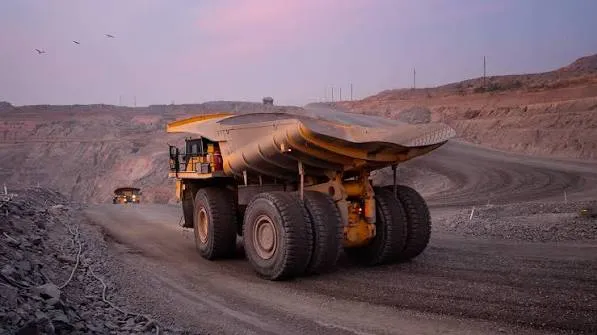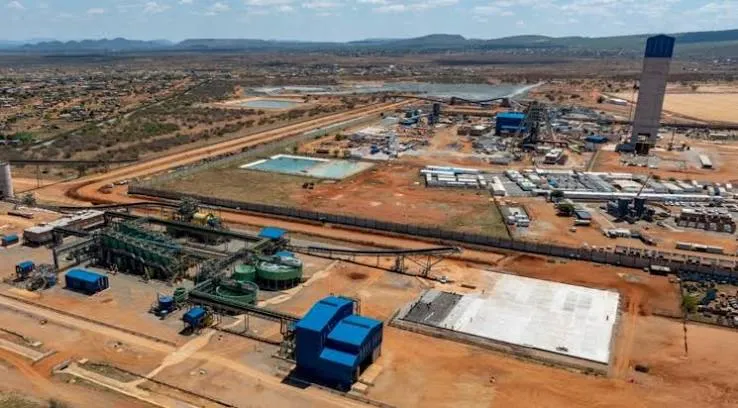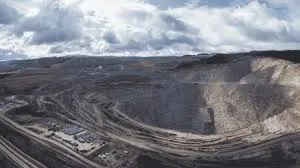
The largest copper mine in Africa is Kamoa-Kakula in the Democratic Republic of Congo, producing approximately 437,000 tonnes of copper in 2024 — and growing rapidly toward 600,000+ tonnes per year at full Phase 3 capacity.
Africa as a whole produces approximately 15% of the world's copper, concentrated primarily in the Central African Copperbelt spanning the DRC and Zambia — one of the world's most significant copper-producing regions, alongside Chile's Atacama Desert and Peru's Andes.
This article ranks Africa's ten largest copper mines by annual production, with ownership, location, and key facts for each. All operators are listed in the Africa Mining Network directory →
Africa's Top Copper Producers: At a Glance (2024)
| RankMineCountryProduction (approx.)Operator | ||||
| 1 | Kamoa-Kakula | DRC | ~437,000 t/yr | Ivanhoe Mines + Zijin |
| 2 | Kansanshi | Zambia | ~230,000 t/yr | First Quantum Minerals |
| 3 | Tenke Fungurume | DRC | ~200,000 t/yr | CMOC Group |
| 4 | Sentinel | Zambia | ~200,000 t/yr | First Quantum Minerals |
| 5 | KCC / Katanga | DRC | ~160,000 t/yr | Glencore |
| 6 | Chambishi Complex | Zambia | ~70,000 t/yr | CNMC / NFCA |
| 7 | Kinsevere | DRC | ~50,000 t/yr | MMG Limited |
| 8 | Mopani | Zambia | ~40,000–50,000 t/yr | ZCCM-IH / Mopani |
| 9 | Luanshya / Baluba | Zambia | ~30,000 t/yr | CNMC / CLM |
| 10 | Guelb Moghrein | Mauritania | ~25,000–30,000 t/yr | First Quantum Minerals |
1. Kamoa-Kakula Copper Complex — DRC
Production: ~437,000 tonnes in 2024; targeting 600,000+ t/yr (Phase 3) Operator: Ivanhoe Mines (39.6%) + Zijin Mining (39.6%) + Crystal River Global (0.8%) + DRC Government free-carry (20%) Location: Lualaba Province, 25 km west of Kolwezi Type: Underground, flash smelting + SX-EW Mine life: 90+ years
Kamoa-Kakula is not only the largest copper mine in Africa — it is the highest-grade major copper mine in the world, with an average ore grade of approximately 4.4–6.5% copper compared to a global average of around 0.6%. Discovered by Ivanhoe Mines in 2008, the project underwent a decade of development before Phase 1 reached commercial production in July 2021. Phase 2 was commissioned in Q2 2022. Together, Phases 1 and 2 delivered 437,000 tonnes of copper in 2024, making Kamoa-Kakula already one of the five largest copper mines on Earth.
Phase 3 — a third concentrator and expanded underground mine — is under active development and will lift annual output above 600,000 tonnes per year, putting Kamoa-Kakula in the same league as the world's very largest copper operations (Escondida, Chile: ~1.1 million t/yr). The Phase 3 smelter, with 500,000 tonne per year anode copper capacity, is designed to process Kamoa-Kakula's concentrate on-site — reducing the DRC's reliance on copper exports as concentrate and retaining more value in-country.
In May 2026, the first 50MW of refurbished Inga II hydroelectric power was commissioned at Kamoa-Kakula, the first phase of a $200 million clean energy investment that will ultimately provide 150MW of hydro power and 60MW of solar by 2027 — making the mine fully energy self-sufficient and one of the lowest-carbon copper mines globally.
Kamoa-Kakula's total resource base exceeds 15 billion tonnes — virtually unlimited at current mining rates. The deposit extends across multiple satellite discoveries (Kamoa North, Makoko, Kakula West, Kansoko) that have not yet entered production.
Ivanhoe Mines profile on AMN →
2. Kansanshi Copper-Gold Mine — Zambia
Production: ~230,000 tonnes copper/year + ~150,000 oz gold/year Operator: First Quantum Minerals (80%) + ZCCM-IH (20%) Location: Solwezi District, North-Western Province, Zambia Type: Open pit + underground, SX-EW + sulphide flotation Mine life: Through 2047+
Kansanshi is Africa's largest copper mine in Zambia and First Quantum Minerals' flagship operation. Located near Solwezi in Zambia's North-Western Province, the mine has been in production since 2005 and is also a significant gold producer. Kansanshi produces copper through multiple processing routes — sulphide flotation, mixed ore processing, and SX-EW — reflecting the diverse ore types across the deposit. The Kansanshi S3 Expansion Project, approved in 2023 with capital expenditure of approximately $1.5 billion, will add a new concentrator and increase copper production to approximately 250,000–280,000 tonnes per year. Kansanshi sits within the Zambian Copperbelt's North-Western extension — a district that also hosts several major development-stage projects, including Barrick Gold's Lumwana operation nearby.
First Quantum Minerals profile on AMN →
3. Tenke Fungurume Mining (TFM) — DRC
Production: ~200,000 tonnes copper/year + ~18,000 tonnes cobalt/year Operator: CMOC Group (80%) + Gécamines (20%) Location: Lualaba Province, DRC Type: Open pit, heap leach + SX-EW Mine life: Through 2050+
Tenke Fungurume is one of the DRC's most important copper-cobalt operations and the world's second-largest cobalt mine. CMOC Group (formerly China Molybdenum, HKEX: 3993) acquired TFM from Freeport-McMoRan in 2016 for $2.65 billion, in what was at the time the largest-ever Chinese acquisition of an African mining asset. CMOC subsequently completed a major Phase 3 expansion in 2022–2023, adding a second SX-EW facility and significantly increasing both copper and cobalt throughput. TFM processes oxide ore through heap leach and SX-EW circuits, producing LME Grade A copper cathode. The reserve base supports mine life beyond 2050, and CMOC has identified substantial additional resources for future development.
4. Sentinel Copper Mine — Zambia
Production: ~200,000 tonnes copper/year Operator: First Quantum Minerals (100%) Location: Kalumbila District, North-Western Province, Zambia Type: Open pit, flotation concentrator Mine life: Through 2040+
Sentinel is one of the newest major copper mines in Africa, commissioned by First Quantum Minerals in 2016 at a capital cost of approximately $2 billion. Located in Zambia's North-Western Province approximately 150 km northwest of Solwezi, Sentinel is a large, low-grade, bulk-tonnage open-pit operation processing approximately 55 million tonnes of ore per year through a large flotation concentrator. The mine produces copper concentrate (approximately 25–28% copper) rather than cathode. Sentinel and Kansanshi together make First Quantum Minerals the largest copper producer in Zambia and among the top five copper companies in Africa. The mine township, Kalumbila, was built from scratch by First Quantum to house workers and the surrounding community.
First Quantum Minerals (Sentinel) on AMN →
5. Kamoto Copper Company (KCC) / Katanga — DRC
Production: ~150,000–180,000 tonnes copper/year + ~18,000–22,000 tonnes cobalt/year Operator: Glencore (75%) + Gécamines (25%) Location: Kolwezi, Lualaba Province, DRC Type: Underground + open pit, SX-EW + roasting Mine life: Through 2040+
Glencore's Katanga operations, now consolidated as Kamoto Copper Company, form one of the world's largest copper-cobalt production complexes. The operation comprises multiple underground mines (Kamoto, T17, KOV) and open pits in and around Kolwezi. Glencore is simultaneously the world's largest cobalt producer and the world's largest cobalt trader — meaning KCC's cobalt output feeds directly into Glencore's commodity trading business. The Whole Ore Leach (WOL) facility at KCC processes complex sulphide-oxide ore through a combined roasting and leaching circuit, one of only a few such facilities globally.
Glencore DRC profile on AMN →
6. Chambishi Copper Complex — Zambia
Production: ~70,000 tonnes copper/year Operator: CNMC / NFC Africa Mining (NFCA) — 85% CNMC + 15% ZCCM-IH Location: Chambishi, Copperbelt Province, Zambia Type: Underground, flotation + SX-EW Mine life: Through 2040+
The Chambishi complex — comprising Chambishi Main, Chambishi West, and the Chambishi South-East mine — is the flagship asset of China Nonferrous Mining Corporation's (CNMC) African operations and one of the oldest Chinese mining investments on the continent, dating to the privatisation of Zambia's state copper mines in 1998. The Chambishi South-East mine, commissioned in 2018 at a cost of $832 million, extended the operation's life by 20 years. Chambishi is also home to the Chambishi Copper Smelter — one of Zambia's three major smelters, with 150,000 tonne per year blister copper capacity — making it a critical piece of Zambia's copper value chain.
CNMC / NFCA profile on AMN →
7. Kinsevere Copper Mine — DRC
Production: ~45,000–55,000 tonnes copper cathode/year Operator: MMG Limited (100%) — 73.4% owned by China Minmetals Location: Haut-Katanga Province, 30 km north of Lubumbashi Type: Open pit, heap leach + SX-EW Mine life: Through 2032+ (underground development extending)
Kinsevere is MMG Limited's primary African operation and has produced copper cathode through a hydrometallurgical process since 2011. The mine exploits high-grade oxide and transition copper ore through open-pit mining, heap leaching, solvent extraction and electrowinning. MMG is developing the Kinsevere underground project to access deeper, higher-grade sulphide ore, which will require a transition from the current SX-EW process to flotation — a significant capital investment that will extend mine life substantially beyond 2032.
MMG Kinsevere profile on AMN →
8. Mopani Copper Mines — Zambia
Production: ~40,000–50,000 tonnes copper/year Operator: ZCCM-IH (majority, following Glencore divestment 2021) Location: Kitwe + Mufulira, Copperbelt Province, Zambia Type: Underground, smelting + refining Mine life: Under review; significant underground resource base
Mopani is one of the oldest copper operations in Zambia, with underground mining at the Nkana and Mufulira mines dating back to the 1930s. Glencore operated Mopani for two decades before transferring ownership to ZCCM-IH (the Zambian state mining investment vehicle) in 2021 amid disputes over production levels and capital investment. Under ZCCM-IH management, Mopani has worked to restore production that declined during the transition period. The operation includes the Mufulira smelter — one of only three copper smelters in Zambia — which is a key piece of national copper processing infrastructure. Mopani represents the government's ambition to directly operate strategic mining assets rather than simply holding passive equity stakes.
Mopani profile on AMN →
9. Luanshya / Baluba Copper Mine — Zambia
Production: ~30,000 tonnes copper/year Operator: CNMC Luanshya Copper Mines (CLM) — subsidiary of CNMC Location: Luanshya, Copperbelt Province, Zambia Type: Underground (Baluba Mine) + open pit (Mulyashi) Mine life: Through 2035+
CNMC's Luanshya operation includes the Baluba underground mine and Mulyashi open pit, containing a combined copper and cobalt resource of approximately 2.38 million tonnes copper and 99,000 tonnes cobalt. The Mulyashi open pit processes low-grade oxide ore through SX-EW. CNMC Luanshya is a sister company to NFCA (Chambishi) within the CNMC Africa portfolio, making CNMC the largest Chinese copper producer in Zambia.
10. Guelb Moghrein — Mauritania
Production: ~25,000–30,000 tonnes copper/year + cobalt + gold Operator: First Quantum Minerals (100%) Location: Akjoujt, Inchiri Region, Mauritania Type: Open pit, flotation + magnetite concentration Mine life: Through 2028+ (with extensions possible)
Guelb Moghrein is First Quantum Minerals' Mauritanian copper-cobalt-gold operation and one of the few producing copper mines in West/Northwest Africa. The mine processes magnetite-rich copper ore, producing both copper concentrate and a magnetite concentrate by-product (used in steelmaking). Guelb Moghrein also produces cobalt hydroxide and gold as by-products. While smaller than the Zambian and DRC operations, Guelb Moghrein is strategically important as part of First Quantum's diversified Africa portfolio.
First Quantum (Mauritania) on AMN →
Honourable Mentions
These operations narrowly missed the top 10 but are significant in their own right:
- Deziwa (DRC) — CNMC 51% + Gécamines 49%; 80,000 t/yr copper capacity, ramping up
- Khoemacau (Botswana) — Cuprous Capital; ~50,000 t/yr copper-silver; Botswana's first new copper mine in 30 years
- Kitumba (Zambia) — Sinomine Resource Group; 60,000 t/yr cathode, first production September 2026
- Kipushi (DRC) — Ivanhoe Mines + Gécamines; primarily zinc but significant copper/germanium credits
- Boss Mining (DRC) — smaller producer in Lualaba Province
Why African Copper Matters: The Clean Energy Context
Copper is the most important metal for the energy transition — more so than lithium or cobalt. Every electric vehicle uses approximately 83 kg of copper (four times the amount in a conventional vehicle). Offshore wind turbines use 8–15 tonnes of copper each. A single solar farm uses 5–7 tonnes per megawatt of capacity. Global copper demand is projected to grow from approximately 26 million tonnes per year today to 36–40 million tonnes per year by 2035 (IEA, 2024).
The world is not on track to meet that demand. The pipeline of new copper projects globally is insufficient, and the lead time from discovery to production averages 16 years. Africa — particularly the DRC-Zambia Copperbelt — holds some of the largest and highest-grade undeveloped copper resources on Earth.
Zambia's ambition: The Zambian government under President Hichilema has set a target to triple copper production from approximately 750,000 tonnes per year today to 3 million tonnes per year by 2031 — which would make Zambia one of the world's top three copper producers. Achieving this would require approximately $15 billion in new mining investment. The first signal of major new interest came in May 2026 when BHP — the world's largest mining company — met with Zambia's mines ministry to discuss large-scale exploration, marking BHP's first serious Africa engagement since spinning off South32 in 2015.
The DRC's trajectory: Kamoa-Kakula alone is targeting 600,000+ tonnes per year by 2028. Combined with TFM's expansion and new projects in the pipeline, the DRC could add 500,000–800,000 tonnes per year of new copper production over the next decade.
Frequently Asked Questions
What is the largest copper mine in Africa? Kamoa-Kakula in the DRC is Africa's largest copper mine, producing approximately 437,000 tonnes in 2024 and growing toward 600,000+ tonnes per year. It is operated by Ivanhoe Mines and Zijin Mining and is also the world's highest-grade major copper mine.
Which African country produces the most copper? The DRC is Africa's largest copper producer, producing approximately 2.8 million tonnes per year. Zambia is the second-largest, producing approximately 750,000 tonnes per year. Together the two countries account for approximately 12–14% of global copper production.
Who owns Kamoa-Kakula? Kamoa-Kakula is owned 39.6% by Ivanhoe Mines (Canada, TSX/NYSE), 39.6% by Zijin Mining (China, HKEX/Shanghai), 0.8% by Crystal River Global, and 20% by the DRC Government as a free-carried interest. Ivanhoe Mines is the operating partner.
Is Zambia a good country for copper mining investment? Zambia has a long mining history, established infrastructure in the Copperbelt, and a government actively courting foreign investment. President Hichilema's administration has been investor-friendly since 2021, removing a punitive copper export levy and fast-tracking new licences. The country aims to triple production to 3 million tonnes per year by 2031.
What is the Central African Copperbelt? The Central African Copperbelt is a geological formation stretching approximately 500 km from the DRC's Lualaba and Haut-Katanga Provinces into Zambia's Copperbelt and North-Western Provinces. It is one of the world's two most significant copper-producing regions (alongside Chile's Atacama) and contains copper reserves estimated at over 150 million tonnes.
Where can I find a list of copper mining companies in Africa? The Africa Mining Network directory lists all major copper mining companies, service providers, and industry bodies across Africa, with detailed profiles and contact information.
Sources: Ivanhoe Mines Production Report Q4 2024; First Quantum Minerals Annual Report 2024; CMOC Group Annual Report 2024; Glencore Annual Report 2024; MMG Limited Annual Report 2024; CNMCL Annual Report 2024; USGS Minerals Yearbook 2024; IEA Critical Minerals Market Review 2024; Wood Mackenzie Copper Market Outlook 2025.
Last updated: May 2026. Africa Mining Network updates all rankings annually.