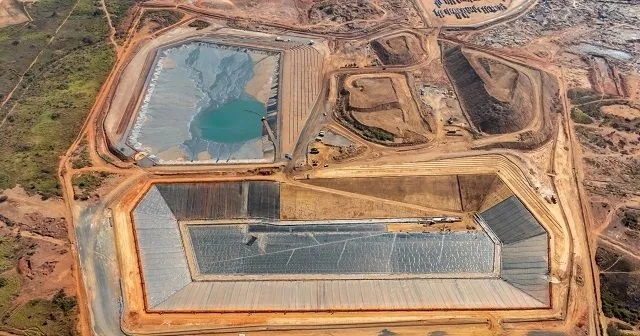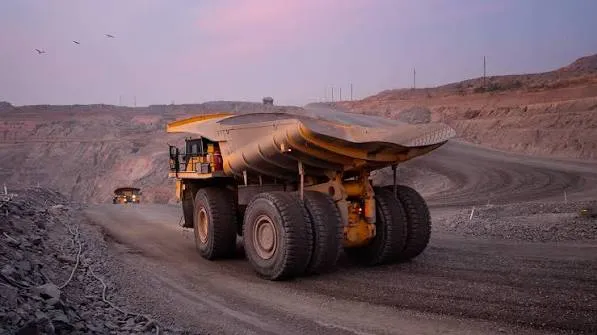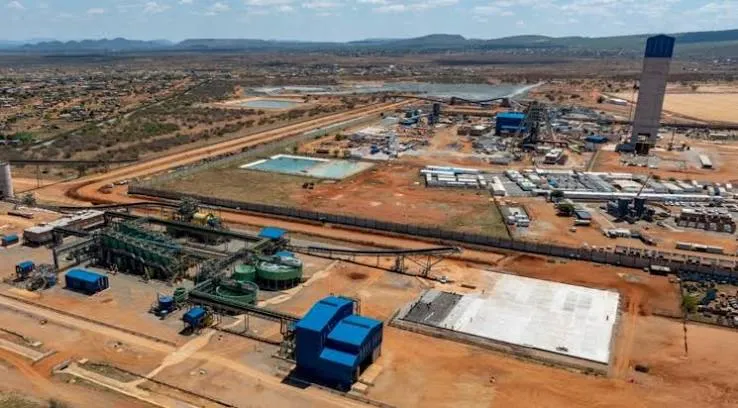
Ghana is Africa's largest gold producer, mining approximately 130 tonnes of gold per year — more than any other country on the continent. It is home to some of the world's most significant gold operations including Newmont's Ahafo Complex, Gold Fields' Tarkwa Mine, and AngloGold Ashanti's historic Obuasi Mine. Gold accounts for approximately 35–40% of Ghana's total merchandise exports, making the mining sector one of the most important pillars of the Ghanaian economy.
Beyond gold, Ghana is developing a critical minerals portfolio that includes lithium (Atlantic Lithium's Ewoyaa project — West Africa's first hard-rock lithium mine), bauxite, manganese, and iron ore. The country's stable democracy, established mining code, and world-class geological endowment make it one of Africa's most attractive mining investment destinations.
Ghana Mining: Key Statistics (2024)
| MetricFigure | |
| Annual gold production | ~130 tonnes (~4.2 million oz) |
| Rank in Africa | #1 gold producer |
| Rank globally | ~6th largest gold producer |
| Mining's share of exports | ~35–40% |
| Mining's contribution to GDP | ~8–10% |
| Number of large-scale mines | 12+ |
| Primary mining regulator | Minerals Commission of Ghana |
| State mining company | Ghana National Petroleum Corporation (GNPC) + Minerals Income and Investment Fund (MIIF) |
| Key mining legislation | Minerals and Mining Act, 2006 (Act 703), amended 2015 |
| Primary mining regions | Western Region, Ashanti Region, Brong-Ahafo Region |
Overview: Ghana's Mining Geology
Ghana's gold wealth is rooted in the Birimian Greenstone Belt — a geological formation of Proterozoic age (approximately 2.1–2.2 billion years old) that extends from Ghana through Côte d'Ivoire, Burkina Faso, Mali, Guinea, and Senegal. The Birimian is one of the world's most prolific gold-bearing formations, hosting numerous world-class deposits across West Africa.
In Ghana specifically, the Birimian hosts the Ashanti Gold Belt — a northeast-trending zone approximately 250 km long and 35 km wide that contains the densest concentration of gold deposits in West Africa, including Obuasi, Tarkwa, Prestea, Bogoso, and dozens of other operating and development-stage projects.
Ghana also hosts significant diamond deposits (Birim and Bonsa fields), bauxite (Atewa Forest, Nyinahin), manganese (Nsuta — one of the world's largest manganese deposits), and lithium (Cape Coast and Tarkwa belts, Ewoyaa deposit).
Major Gold Mines in Ghana
Ahafo Complex (Newmont Corporation)
Location: Brong-Ahafo Region Ownership: Newmont (100%) Production: ~700,000–800,000 oz/year (at full Ahafo South capacity) Type: Open pit (Ahafo South) + underground (Subika), CIL processing
The Ahafo Complex is Ghana's largest gold operation and West Africa's most significant gold mine. Newmont has operated in Ghana since 2006 and the Ahafo South expansion — officially commissioned in Q1 2026 — added a new open pit and processing circuit, lifting total complex output toward 800,000 oz/year. Ahafo contributes approximately 15–18% of Newmont's total global gold production. The mine employs over 5,000 people directly and supports the broader Brong-Ahafo regional economy.
Tarkwa Gold Mine (Gold Fields)
Location: Western Region Ownership: Gold Fields (90%) + Government of Ghana (10%) Production: ~480,000–500,000 oz/year Type: Open pit, heap leach + CIL processing
Tarkwa is one of Ghana's most important and longest-operating gold mines, located in the Western Region approximately 300 km west of Accra. Gold Fields has operated Tarkwa since 1997 and the mine consistently produces close to 500,000 oz/year. The operation processes ore through both heap leach and carbon-in-leach (CIL) circuits, with a total processing capacity of approximately 15 million tonnes per year.
Obuasi Gold Mine (AngloGold Ashanti)
Location: Ashanti Region Ownership: AngloGold Ashanti (86%) + Government of Ghana (10%) + Adansi Asante (4%) Production: ~250,000–300,000 oz/year (growing toward 400,000 oz/year) Type: Underground, CIL processing
Obuasi is one of Africa's most historically significant gold mines — in continuous production since 1897 — and one of the highest-quality undeveloped gold resources in the world, with over 30 million ounces of declared mineral resource remaining. AngloGold Ashanti redeveloped the mine between 2019 and 2022 following a decade-long care-and-maintenance period, targeting deeper high-grade ore in the Obuasi underground. Production is expected to grow toward 400,000 oz/year as underground development deepens.
Chirano Gold Mine (Kinross Gold)
Location: Western Region Ownership: Kinross Gold (80%) + Government of Ghana (10%) + local shareholders (10%) Production: ~180,000–200,000 oz/year Type: Open pit + underground, CIL processing
Chirano is Kinross Gold's only African operation outside of Mauritania (Tasiast). Located in the Western Region, it has been in production since 2005. The operation comprises multiple open pits and an underground mine at the Akwaaba deposit, all feeding a central CIL processing plant.
Edikan Gold Mine (Perseus Mining)
Location: Central Region Ownership: Perseus Mining (90%) Production: ~175,000–200,000 oz/year Type: Open pit, CIL processing
Edikan is Perth-based Perseus Mining's flagship West African operation, located in the Central Region approximately 170 km west of Accra. Perseus has optimised Edikan's processing through a major plant upgrade, achieving consistent production above 175,000 oz/year. Perseus also operates the Yaouré and Sissingué mines in Côte d'Ivoire.
Bibiani Gold Mine (Asante Gold Corporation)
Location: Western North Region Ownership: Asante Gold (100%) Production: ~100,000–120,000 oz/year (targeting 180,000+ oz/year) Type: Underground, CIL processing
Bibiani is a historic underground gold mine redeveloped by Asante Gold Corporation, a TSX-listed Ghanaian gold producer focused entirely on Ghana. The mine restarted production in 2023 and is being expanded. Asante also operates the Manso Prestea and Kubi mines, making it one of the few Ghana-specific gold mining companies.
Iduapriem / AGA Iduapriem (AngloGold Ashanti / Gold Fields)
Location: Western Region Ownership: Gold Fields (acquired from AngloGold Ashanti 2023, 90%) Production: ~200,000–220,000 oz/year Type: Open pit, CIL processing
Iduapriem (also known as Tarkwa's neighbouring operation) was acquired by Gold Fields from AngloGold Ashanti in 2023, creating a combined Western Region gold complex that Gold Fields is studying for integration with Tarkwa's processing infrastructure.
Damang Gold Mine (Gold Fields)
Location: Western Region Ownership: Gold Fields (90%) + Government of Ghana (10%) Production: ~150,000–170,000 oz/year Type: Open pit, CIL processing
Damang is operated alongside Tarkwa as part of Gold Fields' Ghana portfolio. The mine has been revitalised through a Reinvestment Project (2017–2019) that deepened the main pit and extended mine life significantly.
Critical Minerals: Ghana's Next Frontier
Ewoyaa Lithium Project (Atlantic Lithium / Piedmont Lithium)
Location: Cape Coast area, Central Region Ownership: Atlantic Lithium (50%) + Piedmont Lithium (50%, option) Resource: 35.3 million tonnes at 1.26% Li₂O (JORC compliant) Status: Feasibility study stage; targeting first production 2027–2028
Ewoyaa is West Africa's first hard-rock lithium project and could become Ghana's most significant new mining development since the last major gold mine expansion. Atlantic Lithium (ASX/AIM: A11) has delineated a significant spodumene pegmatite resource in the Central Region, approximately 110 km west of Accra. Piedmont Lithium (NASDAQ: PLL) holds an option to acquire 50% of the project in exchange for funding the feasibility study and development. The Government of Ghana holds a 13% free-carried interest. Ewoyaa is on track to be the only operating hard-rock lithium mine in West Africa outside of Mali.
Nsuta Manganese Mine (Ghana Manganese Company / Gangfeng)
Location: Western Region Ownership: Ganfeng Lithium (majority, acquired 2020) Production: ~2.5–3.0 million tonnes/year manganese ore Status: Active; one of the world's largest manganese mines by historical output
The Nsuta manganese deposit has been mined since the 1916 and is one of the world's most significant manganese resources. Chinese battery materials giant Ganfeng Lithium acquired majority control in 2020, reflecting growing interest in manganese as a battery cathode material (LMFP chemistry). Nsuta exports manganese ore through the Port of Takoradi.
Bauxite
Ghana holds significant bauxite reserves in the Atewa Forest and Nyinahin areas. The Nyinahin-Mpasaaso deposit (estimated 900 million tonnes) has attracted Chinese interest but faces environmental controversy due to proximity to the Atewa Forest — a globally important biodiversity hotspot and the source of three of Ghana's major rivers.
Ghana's Regulatory Framework
Minerals Commission
The Minerals Commission of Ghana is the primary regulator responsible for the management and development of the mineral resources sector. It issues mining leases, prospecting licences, and small-scale mining licences, and oversees environmental compliance in the sector.
Key Legislation
- Minerals and Mining Act, 2006 (Act 703): The primary legislation governing mining in Ghana. Amended in 2015 to increase royalty rates and state participation
- Minerals Income and Investment Fund Act, 2018: Established MIIF to manage Ghana's mineral royalties and equity stakes in mining companies as investment assets
- Environmental Assessment Regulations, 1999: Governs environmental permitting for mining
Fiscal Terms (Large-Scale Mining)
- Royalties: 3–5% of gross revenue (sliding scale based on operating profit ratio)
- Corporate income tax: 35%
- Government free-carried interest: 10% in all new mining leases
- Capital allowance: 80% in year one, 50% per year thereafter
Galamsey — Artisanal and Small-Scale Gold Mining
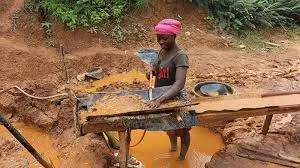
Ghana has a significant and politically sensitive artisanal and small-scale gold mining (ASM) sector, locally known as galamsey. Galamsey operations have caused extensive environmental damage — particularly to water bodies and forests in the Western, Ashanti, and Eastern Regions. The Pra, Birim, Ankobra, and Offin rivers have all been severely polluted by mercury and sediment runoff from illegal mining operations.
The Ghanaian government has conducted multiple crackdowns on illegal galamsey (including the 2017 Operation Vanguard military-led operation and subsequent campaigns) with limited sustained success. Formalisation of ASM through the Community Mining Programme and local registration schemes has had more measured but positive impact. Galamsey remains one of the most complex policy challenges facing Ghana's mining sector.
Financial Institutions Supporting Ghana Mining
Ghana has a well-developed financial sector that supports its mining industry:
- Ecobank Ghana — significant mining sector lending portfolio
- Stanbic Bank Ghana — subsidiary of Standard Bank Group, Africa's largest mining bank
- Absa Bank Ghana — project finance for mid-tier miners
- GCB Bank — largest Ghanaian-owned bank, involved in SME mining services financing
Ghana's Mining Economy in Numbers
Ghana's gold export revenues (2024): approximately $7.2 billion Employment: Large-scale mining employs approximately 25,000–30,000 people directly; 100,000+ in ASM Royalties and taxes paid (2024): approximately $800 million–$1 billion to government Infrastructure: The Port of Takoradi (Western Region) is Ghana's primary mining export port; the Tema port near Accra serves chemical and equipment imports Power: Ghana's grid (typically 2,500–3,000 MW installed capacity) faces periodic deficits; major mines maintain backup generation
Why Ghana Remains West Africa's Premier Mining Destination
Ghana consistently ranks as West Africa's most investor-friendly mining jurisdiction for several reasons:
Political stability: Ghana has had uninterrupted democratic governance since 1993, with peaceful transfers of power between the NDC and NPP parties in multiple election cycles. This stability is rare in West Africa and is the single most important factor for long-term mining investment.
Established legal framework: Ghana's mining code, courts, and arbitration mechanisms are among the most developed in sub-Saharan Africa. Disputes are manageable and the rule of law is respected.
Infrastructure: The Western Region has road, power, and port infrastructure built up over decades of large-scale mining — a significant advantage over frontier mining jurisdictions.
Geological endowment: The Birimian Greenstone Belt continues to yield new discoveries. Exploration drilling consistently adds ounces in Ghana, sustaining investor interest in the junior exploration sector.
Emerging critical minerals: Ewoyaa lithium, Nsuta manganese, and Atewa bauxite position Ghana for the critical minerals investment cycle, not just gold.
Frequently Asked Questions
Is Ghana the largest gold producer in Africa? Yes. Ghana produces approximately 130 tonnes of gold per year, making it Africa's largest gold producer since surpassing South Africa around 2018. South Africa now produces approximately 100 tonnes per year, having declined from a historic peak of over 1,000 tonnes per year in the 1970s.
What is the largest gold mine in Ghana? The largest gold mine in Ghana is Newmont's Ahafo Complex in the Brong-Ahafo Region, which produces approximately 700,000–800,000 ounces per year following the commissioning of the Ahafo South expansion in Q1 2026.
What is galamsey in Ghana? Galamsey refers to illegal artisanal and small-scale gold mining in Ghana. It has caused significant environmental damage to water bodies and forests, particularly in the Western, Ashanti, and Eastern Regions. The Ghanaian government has conducted multiple crackdown operations but the practice remains widespread.
Does Ghana have lithium? Yes. Ghana's Ewoyaa Lithium Project in the Central Region (Atlantic Lithium / Piedmont Lithium) is West Africa's first hard-rock lithium project, with a declared resource of 35.3 million tonnes at 1.26% Li₂O. First production is targeted for 2027–2028.
What is the Ghana Minerals Commission? The Minerals Commission of Ghana is the primary regulatory body for Ghana's mining sector. It issues mining leases, prospecting licences, and small-scale mining licences, and is responsible for promoting responsible mineral development. Website: mincom.gov.gh.
How much tax do mining companies pay in Ghana? Large-scale mining companies in Ghana pay corporate income tax of 35%, royalties of 3–5% of gross revenue (on a sliding scale), and provide a 10% free-carried equity interest to the government in all new mining leases. Additional levies include the Mineral Development Fund levy (1% of gross revenue) and local content obligations.
Sources: Ghana Minerals Commission Annual Report 2024; World Gold Council Gold Demand Trends 2024; Newmont Annual Report 2024; Gold Fields Annual Report 2024; AngloGold Ashanti Annual Report 2024; Perseus Mining Annual Report 2024; Atlantic Lithium ASX announcements 2025; USGS Minerals Yearbook 2024.
Last updated: May 2026. Africa Mining Network updates all country guides annually.