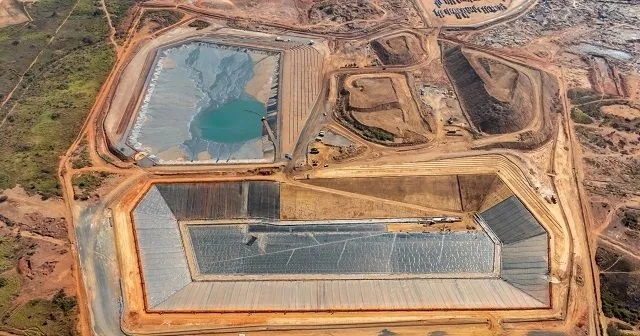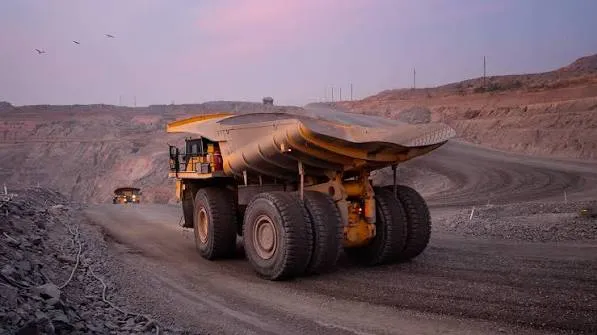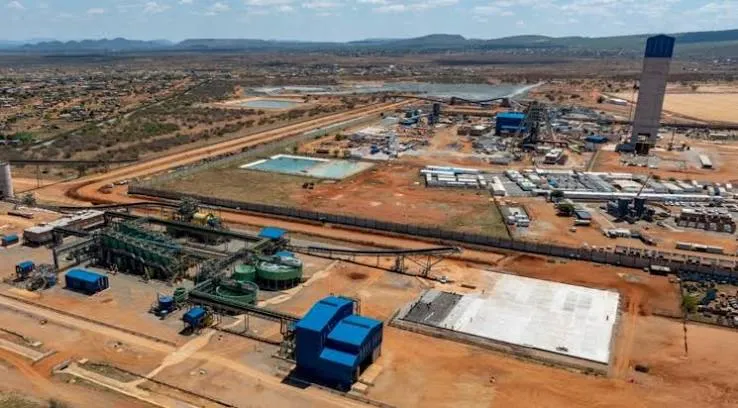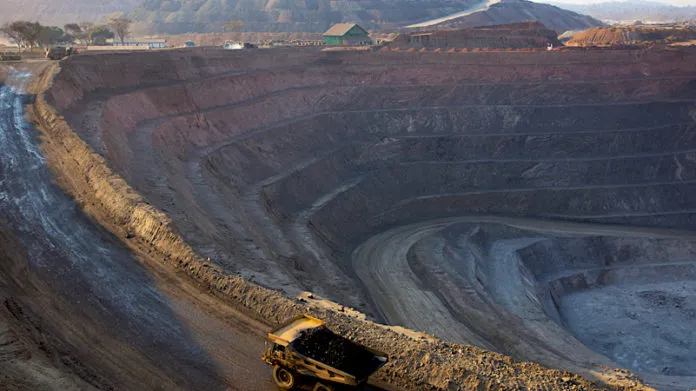
Lualaba and Haut-Katanga are the two southern DRC provinces where the country's copper and cobalt economy is concentrated. Together they account for the near-totality of DRC copper and cobalt production, host the four largest operating mines in the country, and define the logistics, fiscal, and governance landscape that investors and operators navigate. Understanding these two provinces is a prerequisite for understanding the DRC mining sector.
Why they are the Copperbelt
Both provinces sit within the Central African Copperbelt, a geological system that extends from southeastern DRC into Zambia's Copperbelt and North-Western provinces. The mineralisation is sedimentary — copper and cobalt occur in layered sulphide and oxide ore bodies within the Katangan Supergroup, a Neoproterozoic sedimentary sequence deposited approximately 600–800 million years ago.
The ore grades found in the DRC portion of the Copperbelt are among the highest in the world by global standards for copper mining. Open-pit and underground mines here regularly report copper grades of 2–5 percent, compared to a global average of below 1 percent at most operations outside this region. Cobalt-to-copper ratios of 1:10 to 1:30 are common, meaning the same ore that yields copper also yields significant cobalt.
Lualaba province
Lualaba province, with its capital at Kolwezi, is the administrative and operational centre of the DRC's most active mining district. The province was carved from the former Katanga province in the 2015 decentralisation reform.
The major mines in Lualaba are Kamoa-Kakula (Ivanhoe/Zijin/DRC government), Tenke Fungurume and KFM (CMOC), and Mutanda (Glencore). KCC's Kolwezi operations also fall within Lualaba. Together these operations produced approximately 1.4–1.5 million tonnes of copper in 2023.
Kolwezi serves as the staging point for copper cathode and cobalt hydroxide moving by road toward the Zambian border and onward to Dar es Salaam or Durban. The city's infrastructure — roads, power distribution, fuel logistics — is under sustained demand from mining operations and the population that services them.
Power supply is one of the most persistent operational constraints. The DRC's national utility SNEL supplies power at rates that have been insufficient for the combined needs of mining expansion projects. Major operators have responded through captive generation: Ivanhoe has a dedicated power supply arrangement for Kamoa-Kakula; Kamoa also operates a 150 MW power station.
Haut-Katanga province
Haut-Katanga, with its capital at Lubumbashi, is the older and more urbanised of the two provinces. It hosts Gécamines' historical smelter and refinery infrastructure, the Kipushi zinc mine (Ivanhoe 68%, Gécamines 32%), ERG's Metalkol tailings reprocessing operation, and several smaller copper operations.
Lubumbashi was the historical centre of Belgian colonial mining — the Union Minière du Haut Katanga (now Umicore) was based there — and retains copper metallurgy capacity including smelters that process concentrate from Lualaba operations. The rail connection from Lubumbashi to Durban via Zambia and Zimbabwe is the backbone of one of the DRC's two principal copper export corridors.
Logistics and corridors
Copper and cobalt from Lualaba and Haut-Katanga reach global markets via two primary routes:
Southern corridor: road or rail from Kolwezi/Lubumbashi through Zambia, Zimbabwe, and Botswana to Durban (South Africa). Journey time approximately 7–10 days. Durban is the busiest port for DRC copper exports by volume.
Eastern corridor: road from Lualaba to Kasumbalesa border crossing, then rail through Zambia to Dar es Salaam (Tanzania). Shorter in distance but subject to port congestion at Dar es Salaam during peak periods.
The Lobito Corridor — the rehabilitation of the Benguela Railway from Angola's Atlantic port of Lobito through Zambia to the DRC Copperbelt — is under active development with funding from the US Development Finance Corporation and EU. When operational, it would add a western Atlantic route approximately 1,000 kilometres shorter than the Durban corridor for Lualaba-origin material.
Fiscal significance
Combined, Lualaba and Haut-Katanga generate the majority of the DRC's mineral royalty payments. Under Article 242 of the 2018 Mining Code, 25 percent of royalties flow to the province where the mine operates. For Lualaba, which hosts the largest cobalt producers at the 10 percent strategic royalty rate, the provincial royalty share is one of the most significant sub-national fiscal flows in the country.