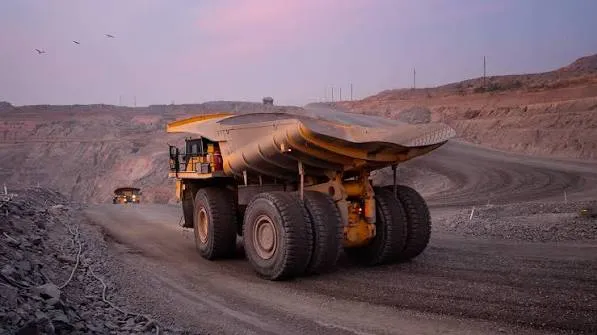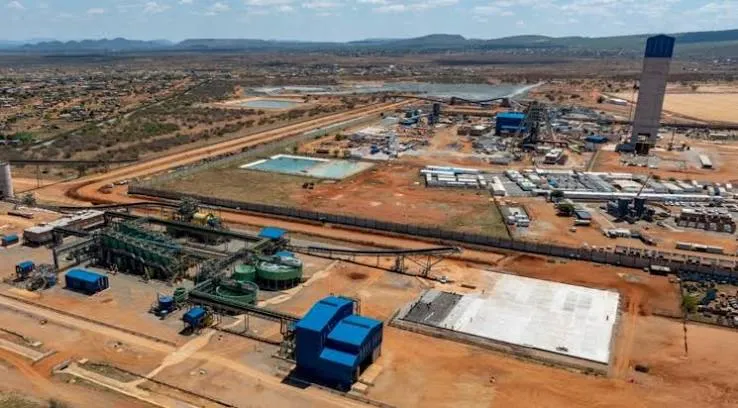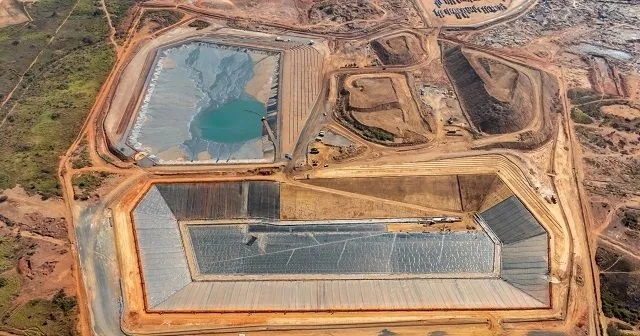
Egypt is racing to transform its long-overlooked mining sector into a pillar of economic revival, launching sweeping reforms to attract foreign capital and tap vast untapped reserves of gold, copper, and critical minerals. The push comes as the North African nation seeks to diversify its revenue streams amid a crushing debt crisis and a global scramble for metals essential to the green energy transition.
From Red Tape to Red Carpet
Under President Abdel Fattah El-Sisi’s government, Egypt has enacted a slate of investor-friendly measures, including streamlined licensing, tax incentives, and guarantees against nationalization—a sharp pivot from its historically opaque and bureaucratic mining regime. The changes aim to position Egypt as a stable alternative to West Africa’s Sahel region, where military regimes in Mali, Burkina Faso, and Niger have spooked investors by renegotiating contracts and demanding larger state stakes.
“We’re not just opening doors; we’re rebuilding the entire house,” said Tarek El Molla, Egypt’s petroleum and mineral resources minister, in an interview. A new mining law, passed in late 2024, slashes royalty rates for strategic minerals and allows companies to repatriate profits more freely. The government has also launched a digital portal to fast-track exploration permits, cutting wait times from years to months.
Gold Rush 2.0
The reforms are already drawing attention. Centamin, the UK-based operator of Egypt’s Sukari gold mine—the country’s largest—announced plans in December to expand production by 25% by 2026. Canada’s Aton Resources is drilling near the Sukari site, while state-owned Shalateen Mining Company aims to auction licenses for 15 gold and copper concessions this quarter.
But the bigger prize lies in critical minerals. Satellite surveys suggest Egypt’s Eastern Desert holds significant deposits of rare earth elements, cobalt, and lithium—metals vital for electric vehicle batteries and renewable energy infrastructure. Cairo has quietly courted automakers and battery giants, offering tax holidays for projects that process minerals domestically.
Geopolitical Gambit
Analysts say Egypt’s mining revamp is as much about geopolitics as economics. As Western nations seek to reduce reliance on Chinese-dominated supply chains, Egypt is positioning itself as a strategic partner. The U.S. Export-Import Bank and European Investment Bank are reportedly in talks to fund infrastructure projects linking mines to the Suez Canal, a gateway to global markets.
“Egypt offers something rare in today’s market: scale, location, and a government that’s hungry for deals,” said Farid Ahmed, a Dubai-based mining analyst at Citigroup.
Risks Linger
Challenges remain. Despite assurances, investors fret over Egypt’s history of abrupt regulatory shifts. A 2023 dispute over profit-sharing at Sukari saw Centamin briefly threaten arbitration—a reminder of the sector’s fragility. Environmental concerns also loom: Activists warn that lax oversight could damage fragile desert ecosystems.
Meanwhile, the government faces pressure to balance foreign investment with public skepticism. “Mining won’t work if Egyptians see it as another resource grab,” said Hanaa Elshamy, a Cairo-based economist. “The wealth must translate into jobs and infrastructure.”
Next Steps
The true test will come in mid-2025, when Egypt hosts its first international mining tender under the new rules. Industry insiders hint that majors like Barrick Gold and Rio Tinto are eyeing bids—a potential vote of confidence in Cairo’s ambitions.
For a nation grappling with 30% inflation and a weakening currency, the stakes could hardly be higher. “This isn’t just about mining,” El Molla said. “It’s about rewriting Egypt’s economic story.”