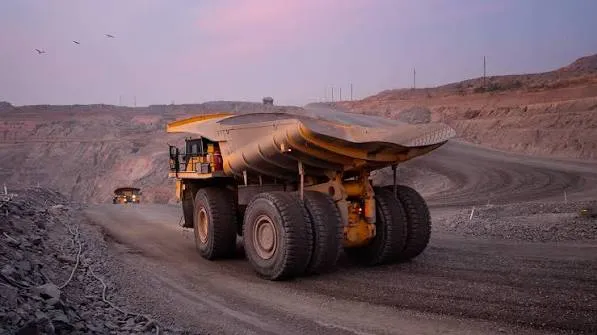
The DRC government has, through successive policy statements and negotiations with large operators, articulated a preference for local processing and value addition of battery minerals before export. The question of what is realistically achievable — given infrastructure constraints, capital requirements, and the structure of global battery supply chains — is one the mining industry, development banks, and policy analysts disagree about substantively.
What the DRC currently exports
The DRC exports the primary forms of its battery minerals:
Copper: predominantly as cathode copper (99.99 percent purity) produced through SX-EW processing at mine sites. Some operations also export copper concentrate (a lower-purity product requiring further smelting). The Kamoa-Kakula smelter under construction is designed to produce blister copper — an intermediate product above concentrate but below cathode — within the country.
Cobalt: predominantly as cobalt hydroxide (30–40 percent cobalt content), an intermediate product that requires further refining to cobalt sulfate or metal outside the DRC. Most cobalt hydroxide exports go to Chinese refineries.
What local value addition would require
Moving from cobalt hydroxide to cobalt sulfate production within the DRC would require: cobalt hydroxide dissolution and purification circuits (hydrometallurgical processing); reliable electrical power in large volumes (cobalt refining is energy-intensive); access to sulfuric acid and other chemical inputs; trained chemical engineering workforce; and downstream off-take agreements with battery cathode producers willing to source cobalt sulfate from a new DRC-based supply source.
Power availability is the first binding constraint. The DRC's hydroelectric potential is enormous — the Inga dam system on the Congo River represents approximately 40,000 MW of undeveloped potential, one of the world's largest such sites — but actual operational grid capacity is a fraction of that. Inga 3, the most frequently discussed near-term expansion, has been subject to repeated development delays.
The Kamoa-Kakula smelter
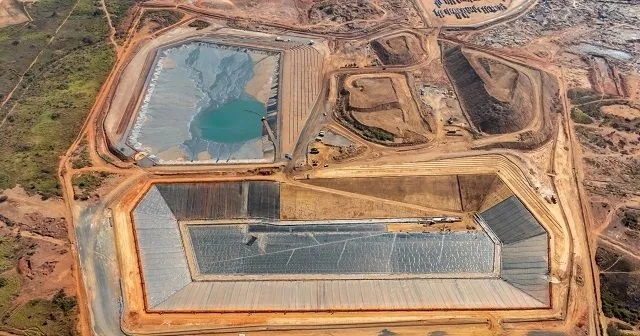
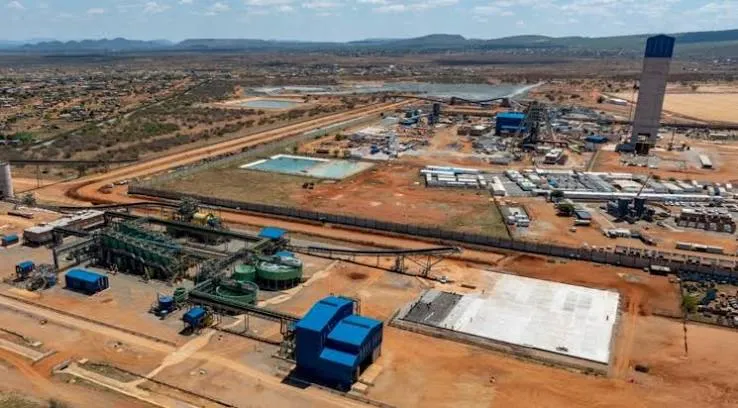
The most concrete current example of in-country value addition is the Kamoa-Kakula copper smelter under construction by Ivanhoe Mines and Zijin. The smelter is designed to produce blister copper (approximately 98 percent purity) from copper concentrate, replacing a portion of the concentrate exports with a more processed intermediate product.
Blister copper is not the end state — it still requires further refining to cathode elsewhere — but it adds smelting value within the DRC, reduces the volume of concentrate that must be transported out of the country, and fulfils part of the government's local-processing aspiration. The smelter, when commissioned, will be the most significant new smelting capacity added to the DRC in decades.
Policy context
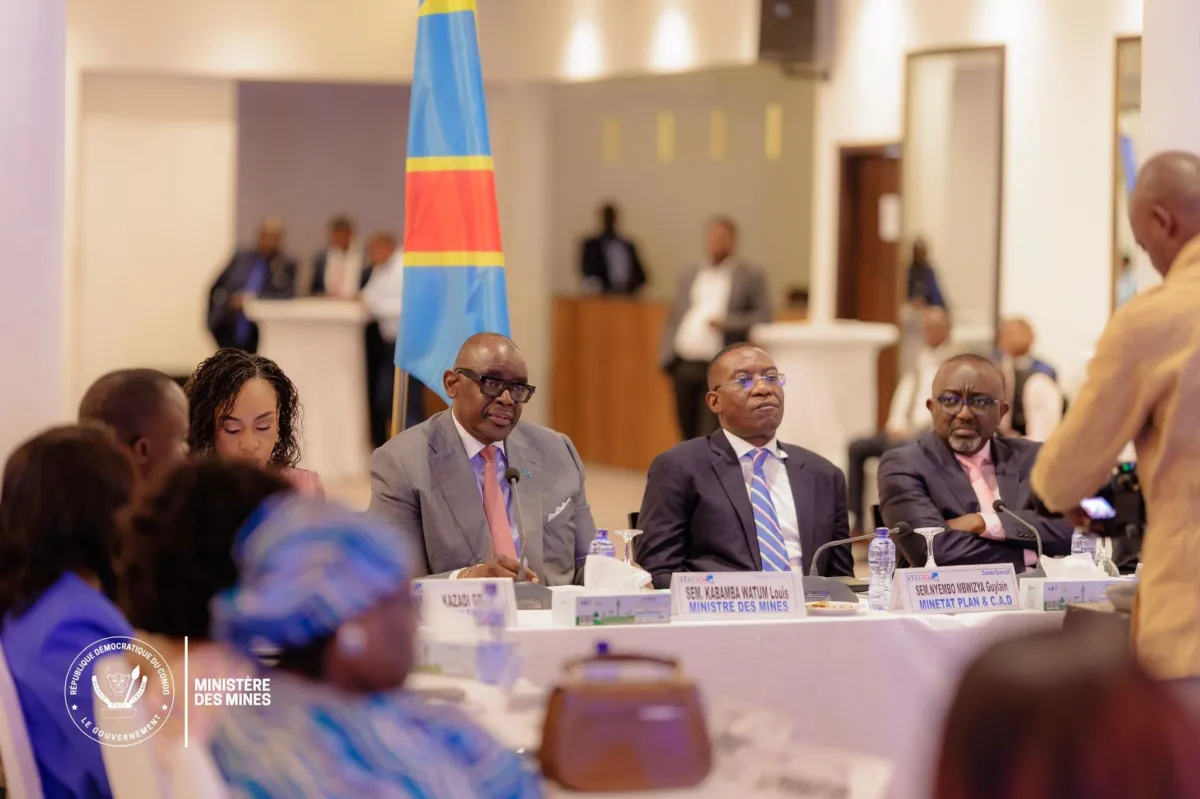
The DRC government's battery-value-chain aspirations have been expressed through several initiatives, including the DRC-Zambia Memorandum of Understanding on a battery-materials corridor (signed 2022, aimed at positioning the corridor as a supplier to Western battery manufacturers under IRA and EU battery regulation frameworks) and the Africa Battery Metals Forum, which convenes regional governments, operators, and downstream buyers annually to discuss supply-chain development.
The tension in these discussions is straightforward: downstream buyers — battery manufacturers in China, Korea, Japan, and increasingly the US and Europe — have their refining and cathode production infrastructure established elsewhere. Asking them to shift or duplicate that infrastructure in the DRC requires incentives or mandates that current policy does not fully provide.
What is realistic
Realistic near-term value addition in the DRC includes:
Blister copper smelting (Kamoa-Kakula smelter): likely operational in the 2025–2027 window, adding one processing step within the country.
Copper anode refining: possible but requires additional investment and power supply beyond what the Kamoa smelter project currently encompasses.
Cobalt hydroxide to sulfate conversion: not currently economic at scale in the DRC given power constraints, though not permanently foreclosed. Chinese refining dominance and the capital cost of establishing new refining capacity in a remote location make this a medium-to-long-term proposition.
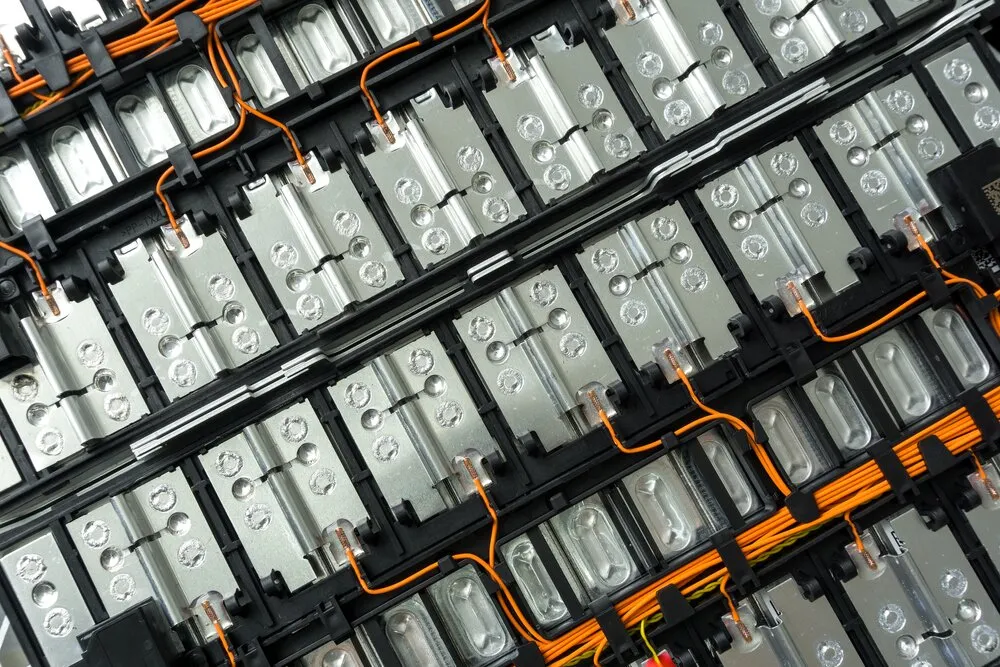
Battery cell manufacturing: far from realistic in the current decade given the capital intensity, technical complexity, and supply-chain proximity to end markets required.