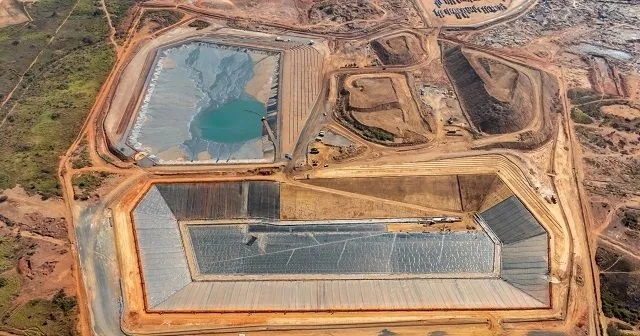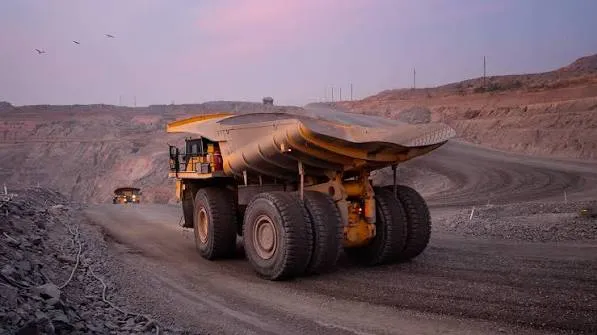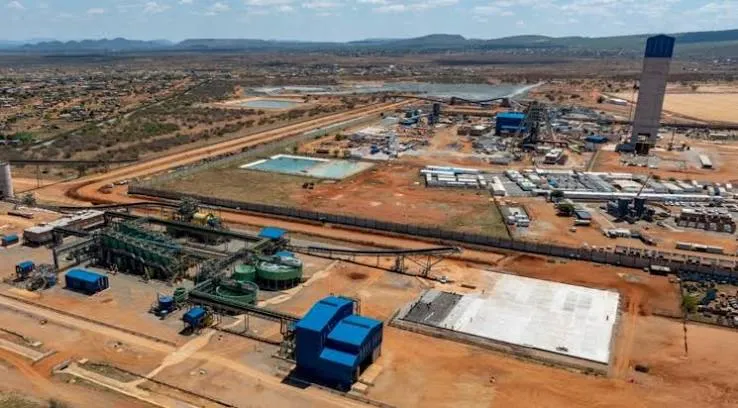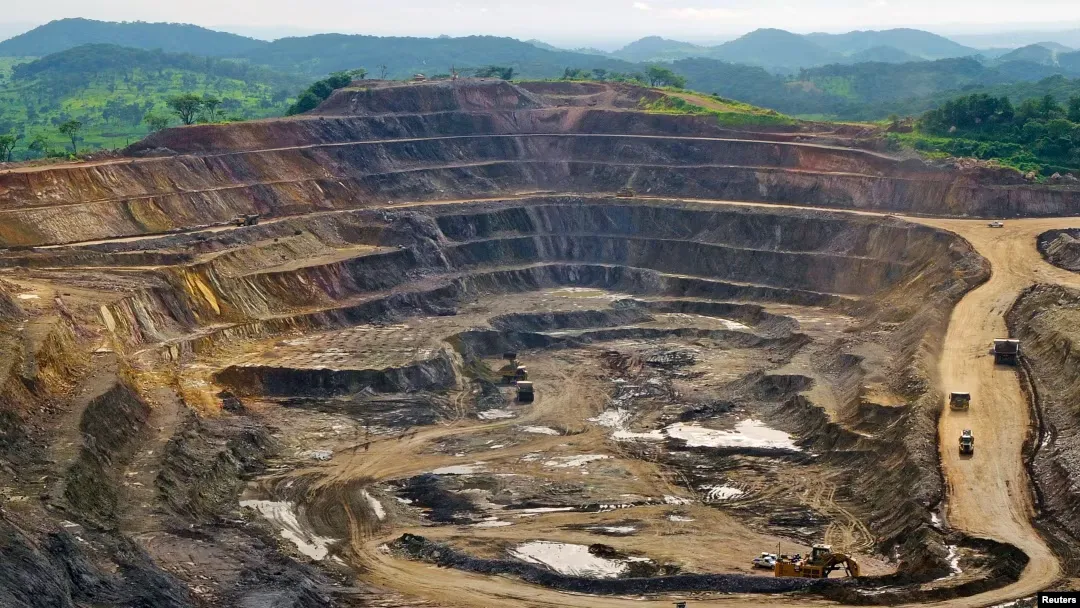
The DRC is important for cobalt because it is the world's largest mined source, accounting for more than 70 percent of global cobalt mine supply. It also holds approximately 46 percent of global cobalt reserves, according to the USGS. No substitutable geography exists at the volumes the global battery industry currently requires.
Supply share
The Cobalt Institute estimated DRC cobalt output at approximately 170,000 tonnes of cobalt equivalent in 2023. The next largest producers — Australia, Philippines, Russia, and Cuba — produce a fraction of that volume individually and collectively cannot match the DRC's output at any near-term production growth rate.
That concentration is the defining fact in cobalt supply chain analysis. Battery chemistries using cobalt — primarily NMC and LCO cathodes — remain the dominant format in the EV and portable electronics markets. Cobalt-free lithium iron phosphate (LFP) batteries are growing in share, particularly in Chinese EV models, but NMC persists in high-energy-density applications.
Why geology matters
The DRC cobalt occurs primarily as a co-product or by-product of copper in the Katangan Copperbelt sedimentary sequence. Cobalt-to-copper ratios in the DRC's principal deposits run between 1:10 and 1:30, meaning cobalt output tracks copper production levels and economics. That geological association is why the DRC's copper mines are simultaneously the world's dominant cobalt source: the same rock that makes the DRC the world's most important copper jurisdiction outside South America also makes it the world's most important cobalt jurisdiction, without exception.
Why buyers track the DRC
Any company that manufactures or sources lithium-ion batteries for EV, consumer electronics, or energy storage applications has DRC-origin cobalt somewhere in its supply chain unless it has made explicit low-cobalt or cobalt-free cathode chemistry choices throughout. The DRC's 2018 Mining Code raised cobalt royalties to 10 percent — the strategic mineral rate — and the government retains the authority to adjust export, royalty, and licensing conditions. Those policy levers directly affect the cost and availability of cobalt for buyers across the supply chain.