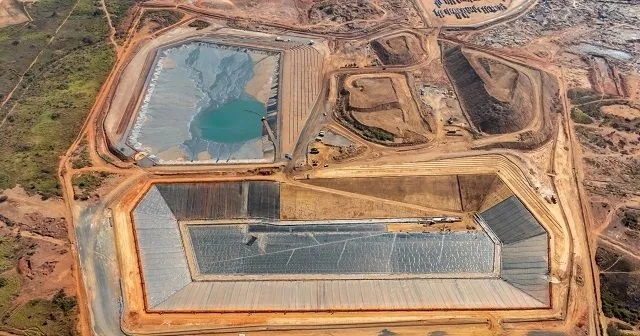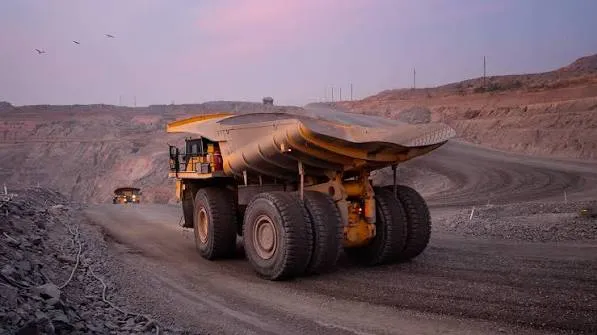
By value, copper is the DRC's largest mineral export, accounting for approximately 60–70 percent of total mineral export earnings in most recent years. Cobalt is second, representing approximately 15–25 percent of mineral export value depending on the cobalt price in the period. Gold (from Kibali and declared artisanal production) contributes approximately 5–8 percent. The 3T minerals and other products make up the remainder of formal export statistics.
Copper dominance
The DRC produced approximately 2.0 million tonnes of copper in 2023. At an average copper price of approximately $8,500 per tonne, that represents approximately $17 billion in copper revenue before deductions.
The scale of copper production and the copper price relative to cobalt volumes means copper remains the fiscal and export anchor of the DRC mining sector even in years when cobalt prices are elevated.
Cobalt variability
Cobalt export value is highly price-sensitive. In 2022, cobalt hydroxide prices reached above $30 per pound, driving cobalt's share of DRC mineral export value above 20 percent. In 2023–2024, cobalt prices fell below $15 per pound in some assessments, reducing cobalt's export value share even though volumes remained large.
Gold and 3T
Gold exports declared through official channels represent primarily Kibali's doré output. Artisanal gold that leaves the country informally through Rwanda and Uganda does not appear in DRC BCC statistics but inflates those countries' declared export figures.
The UN Group of Experts has documented this discrepancy consistently in annual reports.
[Internal link: "DRC mining exports full guide" → Pillar: DRC export data for miners: copper, cobalt and gold explained]