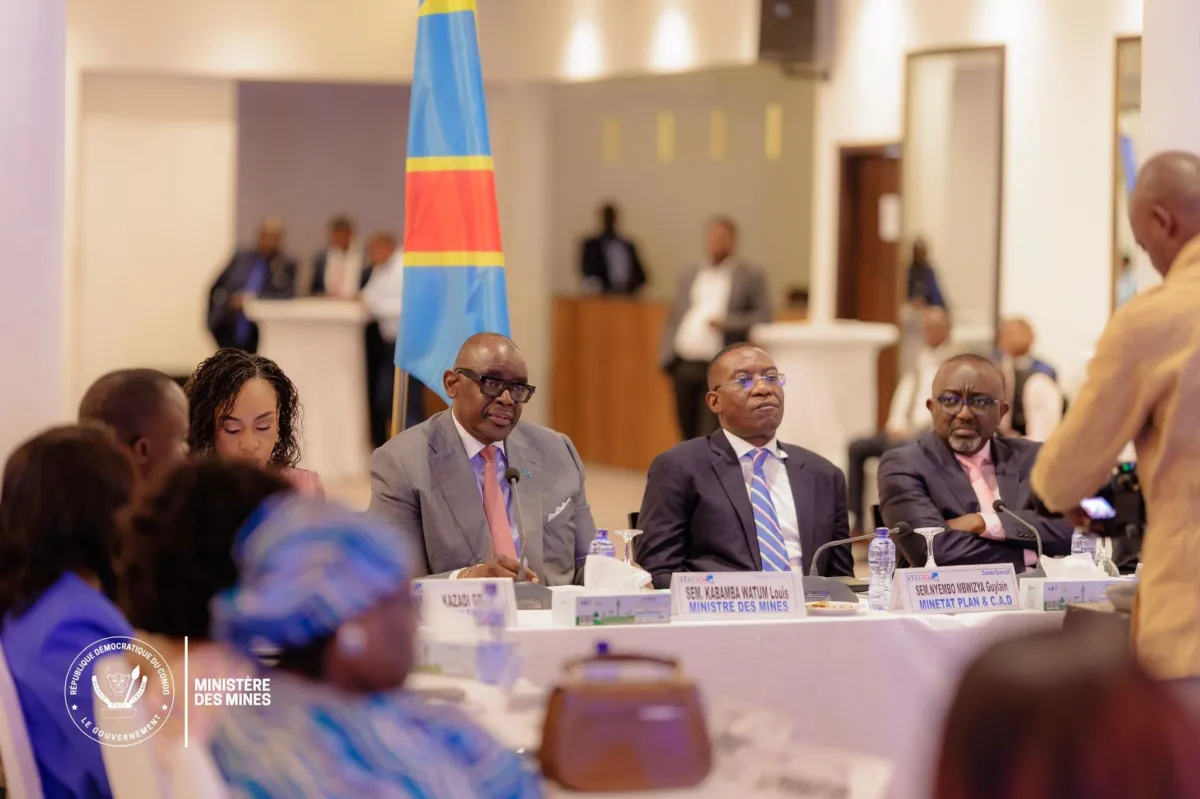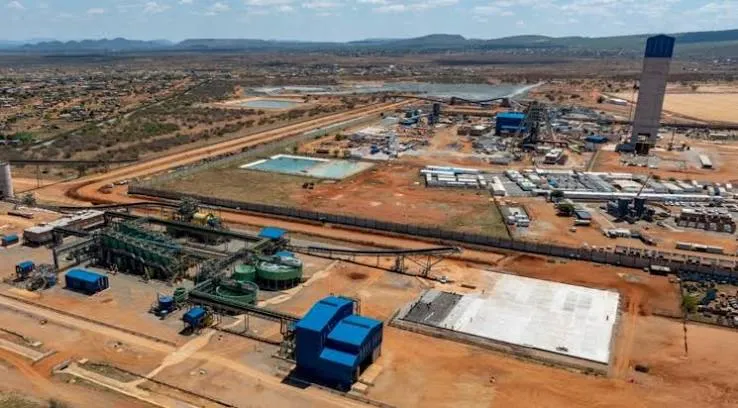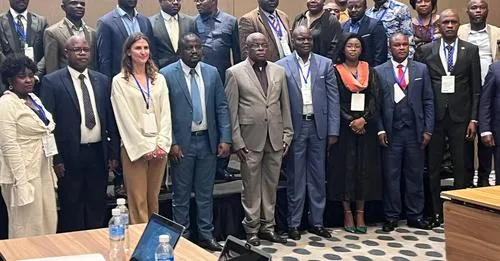
Held from November 3 to 5, 2024, at Kinshasa’s Hilton Hotel, the event convened government officials, industry leaders, and international experts. Organized by Resource Matters in partnership with the Ministry of Mines, the discussions focused on the DRC’s role in meeting the surging demand for energy transition minerals, such as cobalt, lithium, and nickel, which are indispensable to electric vehicles and renewable energy technologies.
Speaking on behalf of the absent Minister of Mines, Rural Development Minister Muhindo Nzangi pointed to the stark disparity between the country’s unparalleled resource endowment and the dire poverty endured by many of its citizens. “Untapped potential is meaningless if it fails to uplift our people. We cannot continue to be a land of immense wealth that leaves its citizens among the poorest in the world,” Nzangi declared. His remarks framed the forum’s broader mission: to forge a roadmap for transforming mineral wealth into economic resilience and social equity.
Central to the discussions was the imperative to align the DRC’s mining strategy with global clean energy goals while addressing domestic challenges, including poor governance, infrastructure deficits, and market volatility. Professor Kalele Hercule of the University of Kinshasa urged the government to move beyond exporting raw materials. “The DRC must aim to become a producer of value-added products, integrating refining and processing industries to establish itself within global supply chains,” Hercule said. He also stressed the importance of developing downstream industries like battery manufacturing to create a more diversified and sustainable economy.
The forum also delved into governance reforms, a recurring issue in the DRC’s resource sector. John Nsana Kanyoni, a member of the Federation of Congolese Enterprises, criticized lapses in the implementation of the 2018 Mining Code. He underscored the need for a proactive strategy to navigate global market trends, warning that the DRC’s dominance in cobalt production could erode without forward-thinking policies. Kanyoni suggested emulating the Organization of the Petroleum Exporting Countries (OPEC) by collaborating with other mineral-rich nations like Indonesia to stabilize production levels and influence global pricing.
A key proposal that garnered attention was the creation of a sovereign wealth fund to channel mining revenues into long-term development initiatives, such as infrastructure, education, and healthcare. This model, which has been successfully implemented in resource-rich nations like Norway, could help the DRC escape the “resource curse” that has historically stymied its progress. The fund, proponents argued, would provide a sustainable financial mechanism to invest in the country’s future while ensuring transparency and accountability.
The forum also emphasized the need for accurate geological mapping to improve understanding of the DRC’s untapped mineral reserves. Enhanced data could attract more targeted foreign investment and empower the government to negotiate better agreements with multinational corporations. Discussions further highlighted the urgent need for infrastructure development, including modernized transport networks and reliable power supplies, to support mining activities and bolster regional trade.
Resource Matters representatives painted the global energy transition as both an opportunity and a responsibility for the DRC. “The minerals buried beneath Congolese soil are central to the world’s shift to clean energy, but how these resources are managed will determine not just the DRC’s future but the sustainability of the planet’s energy ambitions,” one speaker remarked. This perspective aligns with growing international pressure for transparency, fair labor practices, and sustainability in mineral supply chains.
The forum concluded with a call to action, urging stakeholders to capitalize on the rising demand for energy transition minerals while safeguarding against the risks of geopolitical tensions and economic exploitation. The Ministry of Mines vowed to prioritize partnerships that balance national interests with global collaboration, ensuring the DRC’s natural resources are harnessed for the collective benefit of its citizens.