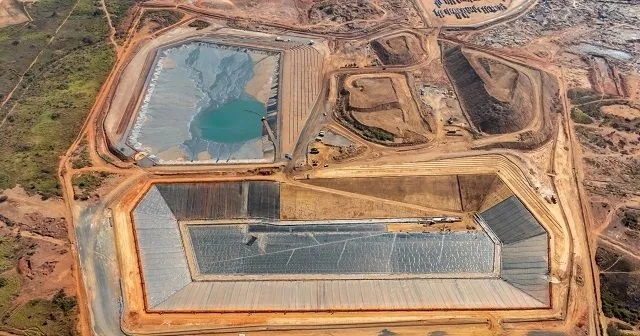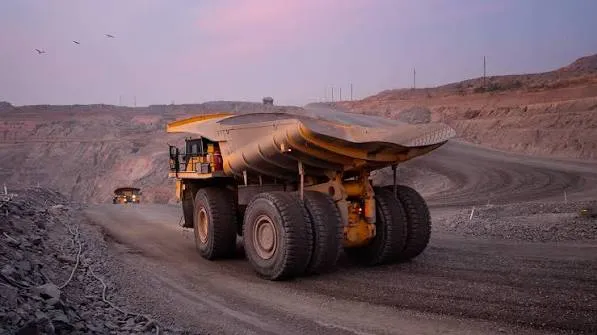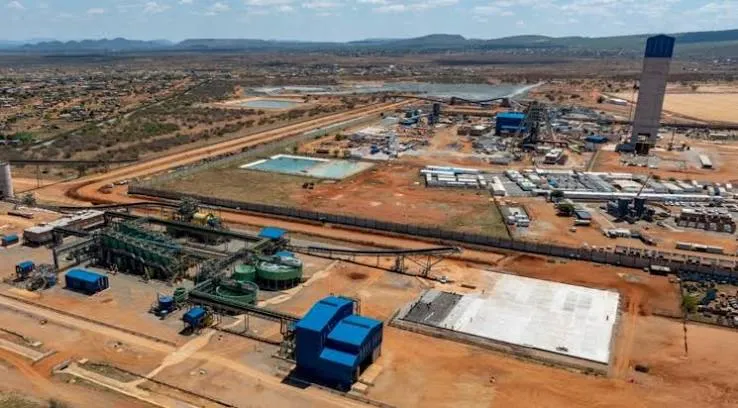
he Democratic Republic of Congo (DRC), home to nearly 70% of the world’s cobalt supply, faces significant economic and social challenges stemming from rampant smuggling, corruption, and a lack of oversight in its mining sector. These entrenched issues not only undermine the country’s ability to benefit fully from its immense resource wealth but also exacerbate environmental degradation and harm to local communities. While the government has implemented reforms, the impact of illegal mining activities continues to weigh heavily on the DRC’s economy and social fabric.
Cobalt, a cornerstone of modern technology, is essential for manufacturing lithium-ion batteries used in electric vehicles, smartphones, and renewable energy systems. With demand expected to quadruple by 2030, the global market increasingly depends on the DRC’s output. However, the cobalt supply chain is riddled with illegal practices, including smuggling, unregulated artisanal mining, and collusion between criminal networks and state actors. These activities fuel a parallel economy, diverting billions of dollars in potential revenue from government coffers and impoverished communities.
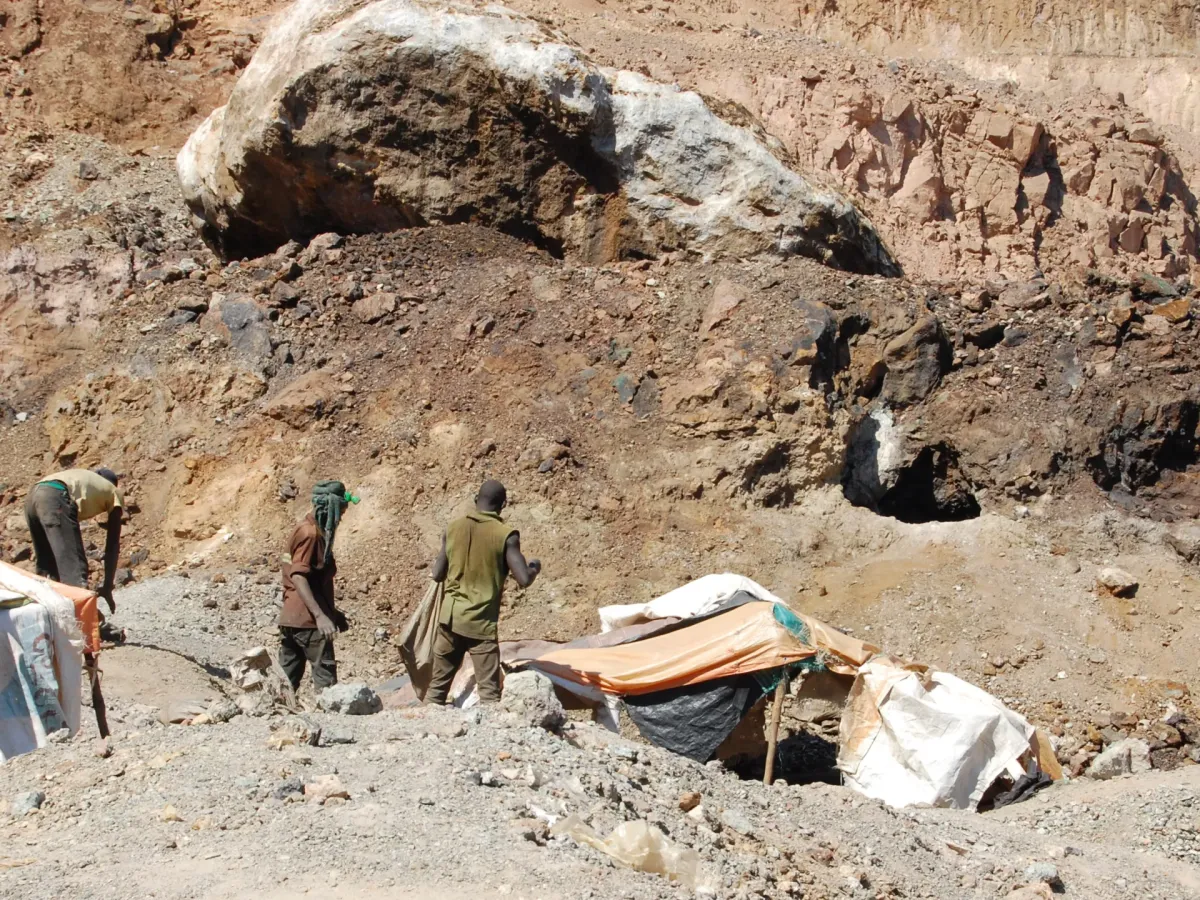
The DRC government attempted to regulate artisanal mining by granting the state-owned Enterprise Générale du Cobalt a monopoly on artisanal cobalt in 2019. Despite these measures, enforcement remains weak, with many artisanal miners operating outside the law. An estimated 150,000 to 200,000 artisanal miners extract cobalt from remote regions, often in hazardous conditions. Many of these miners lack proper permits, and their activities are frequently facilitated by armed groups or corrupt officials who take a cut of their earnings. Much of the unaccounted-for cobalt is funneled into legitimate supply chains through bribery and forgery, making traceability nearly impossible.
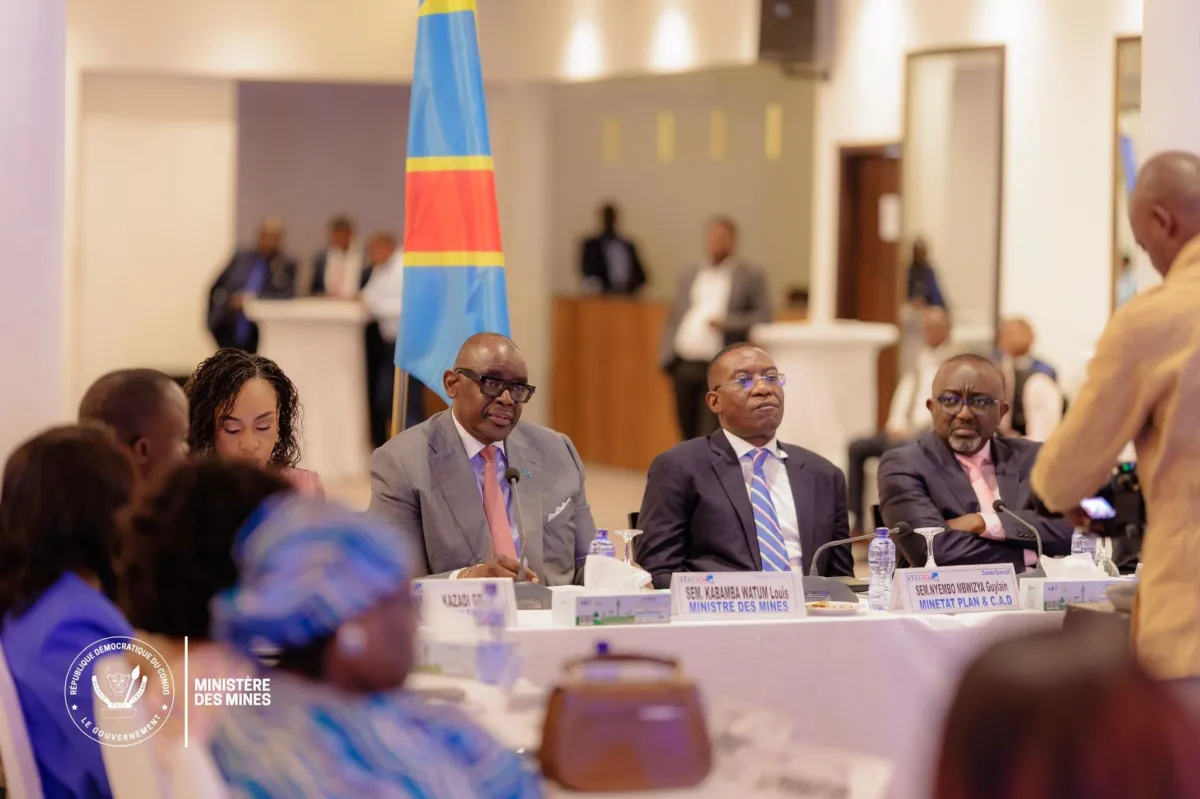
Corruption at the country’s borders with Zambia, Tanzania, and Burundi further compounds the problem. Smugglers, often backed by local law enforcement, use forged certification documents or bribe officials to transport unregulated cobalt out of the country. According to Finance Minister Nicolas Kazadi, the DRC loses nearly $1 billion annually due to illegal mineral smuggling to neighboring countries. These losses represent a missed opportunity to fund infrastructure, education, and healthcare in a nation where millions live in extreme poverty.
Beyond the economic toll, the environmental and human costs are staggering. Unregulated mining operations result in toxic dumping that pollutes rivers, destroys agricultural land, and exposes miners to severe health risks. Cobalt mining has been linked to respiratory illnesses, cancer, and birth defects in communities near mining sites. Workers, often lacking protective equipment, face prolonged exposure to hazardous substances, compounding health crises in already vulnerable regions.
The DRC government has expressed ambitions to move up the value chain, partnering with Zambia to establish a regional economic zone for processing raw materials into battery components. While this initiative signals progress, it must be accompanied by robust reforms. Strengthening the regulation of artisanal mining, increasing traceability, and enhancing border security are critical steps. The use of technology to monitor supply chains and simplify export procedures could help curb smuggling, while improved training and compensation for border officials could reduce corruption.
Civil society and international organizations also have a role to play. Local observer groups could help monitor mining sites and document illicit activities, while multinationals sourcing cobalt from the DRC must invest in responsible sourcing initiatives. Transparency and ethical practices should extend across the supply chain to ensure that the global push for renewable energy does not come at the expense of the Congolese people.
If effectively implemented, these measures could transform the DRC from a resource-rich yet impoverished nation into a key player in the global clean energy economy. By addressing the root causes of illegal mining and smuggling, the country has the potential to unlock billions in revenue, improve living conditions for its citizens, and solidify its role as a leader in the energy transition. However, this requires decisive action, strong governance, and sustained international support. Without these, the DRC risks squandering its vast resource wealth and perpetuating cycles of poverty and exploitation.