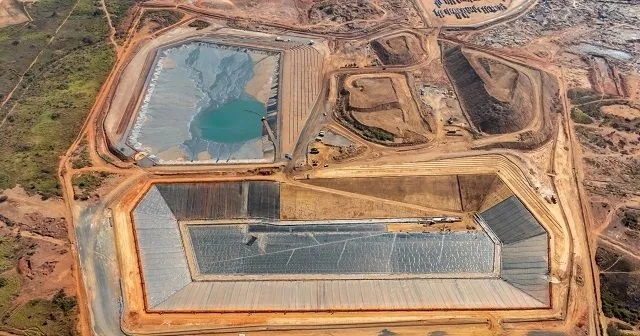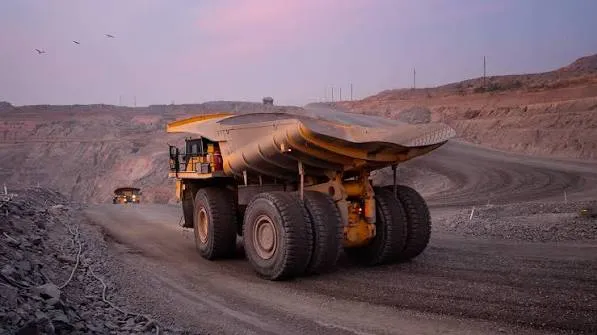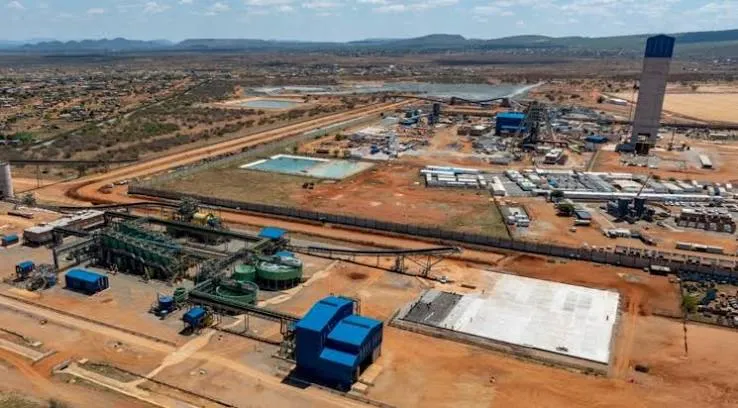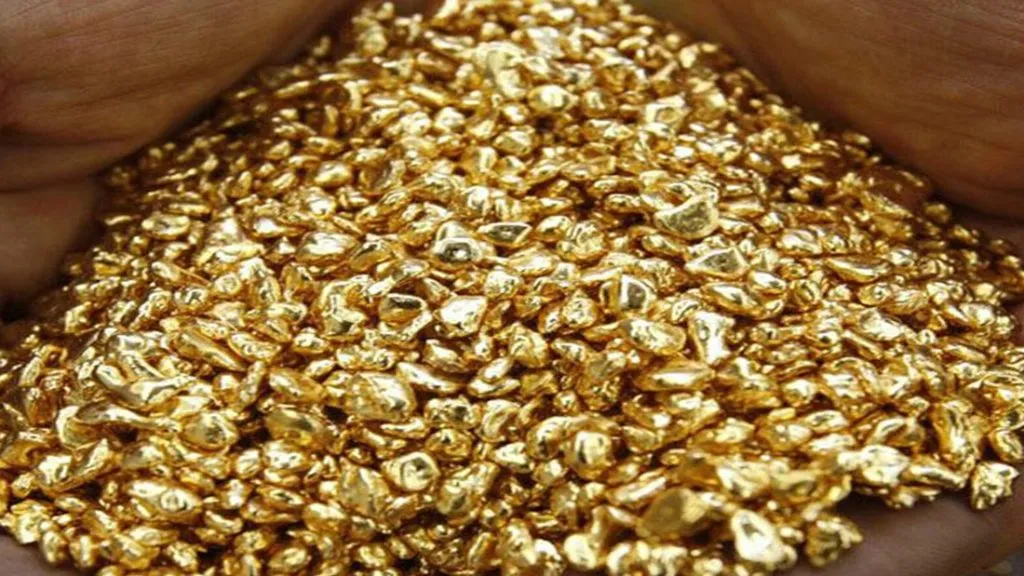
Kibali Gold Mine in Haut-Uele province is the biggest gold mine in Congo by a substantial margin. It produced approximately 750,000 ounces of gold in 2023, making it one of the top ten gold mines globally by annual output. No other gold mine in the DRC operates at industrial scale.
Largest mine answer
Kibali is owned 45 percent by Barrick Gold, 45 percent by AngloGold Ashanti, and 10 percent by SOKIMO, the DRC state entity for the gold sector. Barrick manages the operation. The mine is located approximately 150 kilometres northwest of the South Sudan border in the remote northeast.
The production figure of approximately 750,000 ounces in 2023 compares to total DRC gold exports of approximately 900,000–1,000,000 ounces declared through official channels in the same period, implying that the remainder of declared gold exports come from the country's artisanal sector and small formal operations. Undeclared artisanal gold adds further to actual production without appearing in official statistics.
Ownership and location
The project company is Kibali Goldmines SA, incorporated in the DRC. Haut-Uele province is where the mine sits — one of the most remote provinces of the country, with minimal grid power infrastructure and limited road connectivity to major population centres.
Kibali generates its own hydroelectric power through dams on the Kibali River. This energy self-sufficiency is central to the operation's performance and distinguishes it from most other mines in the DRC that depend partially or fully on the national grid or captive diesel generation.
Contribution and energy profile
At approximately 750,000 ounces per year and a gold price around $2,000–2,300 per ounce (2023 range), Kibali generates approximately $1.5–1.7 billion in annual gold revenue. That makes it a significant contributor to the DRC's export earnings — lower than the copper-cobalt complex in absolute terms but of material importance to Haut-Uele province, which has limited other sources of formal fiscal income.
Barrick's annual reports describe the hydropower system as covering the substantial majority of Kibali's power consumption. The hydroelectric infrastructure includes three run-of-river power stations on the Kibali River with a combined installed capacity sufficient to meet mine load requirements under normal conditions.